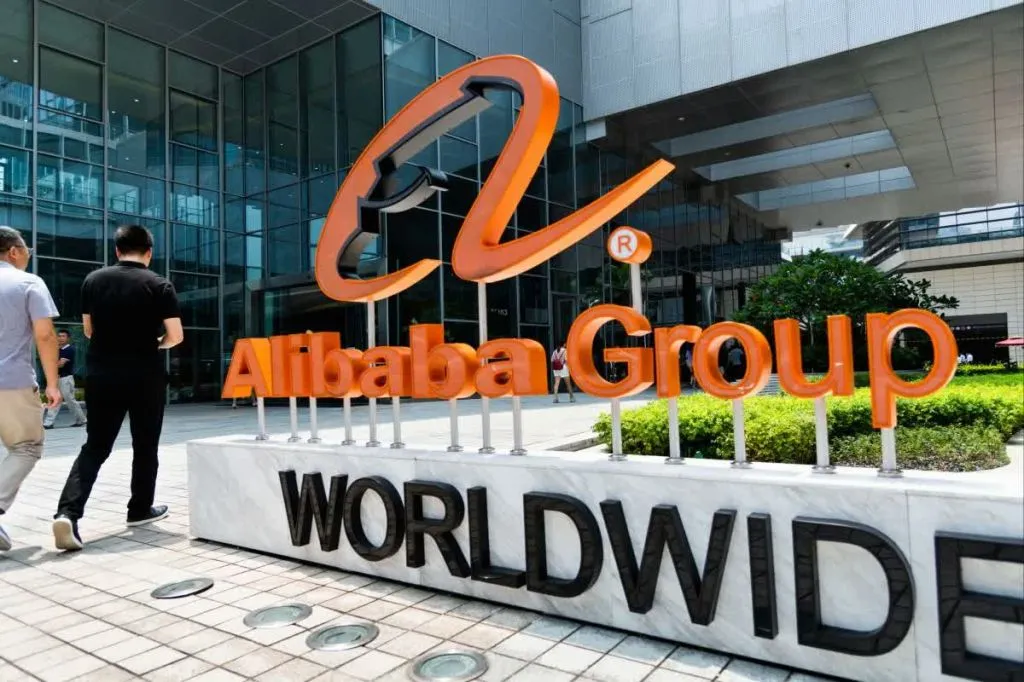
Alibaba has internally banned the use of Anthropic's Claude AI model across its operations, signaling a strategic pivot in how one of China's tech giants manages access to cutting-edge large language models.
The decision, reported by China Daily, reflects an intensifying scrutiny over data security and operational control as major Chinese firms navigate the geopolitical tightrope of adopting foreign AI technology.
While specific reasons for the internal restriction were not fully detailed in the initial reports, such moves by Alibaba typically correlate with heightened concerns regarding intellectual property leakage or compliance risks associated with using externally hosted, powerful generative AI tools within sensitive corporate environments.
Strategic Shifts in Enterprise AI Adoption
The adoption of frontier models like Claude represents a significant technological advancement for enterprises globally; however, the ban suggests that for Alibaba, the benefits of external access are currently outweighed by internal governance imperatives.
Large technology conglomerates operating within China face unique regulatory and competitive pressures. Allowing unrestricted use of third-party AI providers introduces vectors for data egress—the unauthorized movement of proprietary business data outside the company's secure perimeter. This is particularly critical given Alibaba’s vast ecosystem spanning e-commerce, cloud computing, and logistics.
Instead of outright prohibition, industry analysts suggest that this action forces a reevaluation toward developing or heavily customizing in-house Large Language Models (LLMs) or partnering with domestically sanctioned AI providers. This internal development strategy aligns with broader national directives pushing for technological self-sufficiency within the Chinese tech sector.
The move underscores a growing dichotomy: organizations must leverage world-class AI capabilities to maintain competitiveness, yet they cannot afford the associated data sovereignty risks inherent in relying solely on international vendors whose operational frameworks are subject to varying global jurisdictions.
Implications for the APAC Tech Landscape
This internal policy shift by Alibaba is not an isolated incident but rather a barometer reading of risk management across the Asia-Pacific technology corridor. Competitors and partners are likely observing this move closely, adjusting their own procurement strategies accordingly.
For cloud service providers and enterprise clients utilizing Alibaba's infrastructure, the ban necessitates immediate workflow adjustments. Teams previously relying on Claude for complex coding assistance, sophisticated document summarization, or advanced customer service scripting must now transition to approved internal systems or alternative vetted external platforms.
The strategic significance lies in establishing a precedent: operational security is superseding convenience when dealing with mission-critical business processes. Alibaba's decision acts as a cautionary signal to other multinational tech players operating under Chinese regulatory oversight regarding the integration of globally dominant, yet externally controlled, AI infrastructure.
Ultimately, while Claude remains a powerful tool for innovation, Alibaba’s directive prioritizes maintaining absolute control over its data lifecycle, solidifying internal governance as the paramount factor in their current AI deployment strategy.