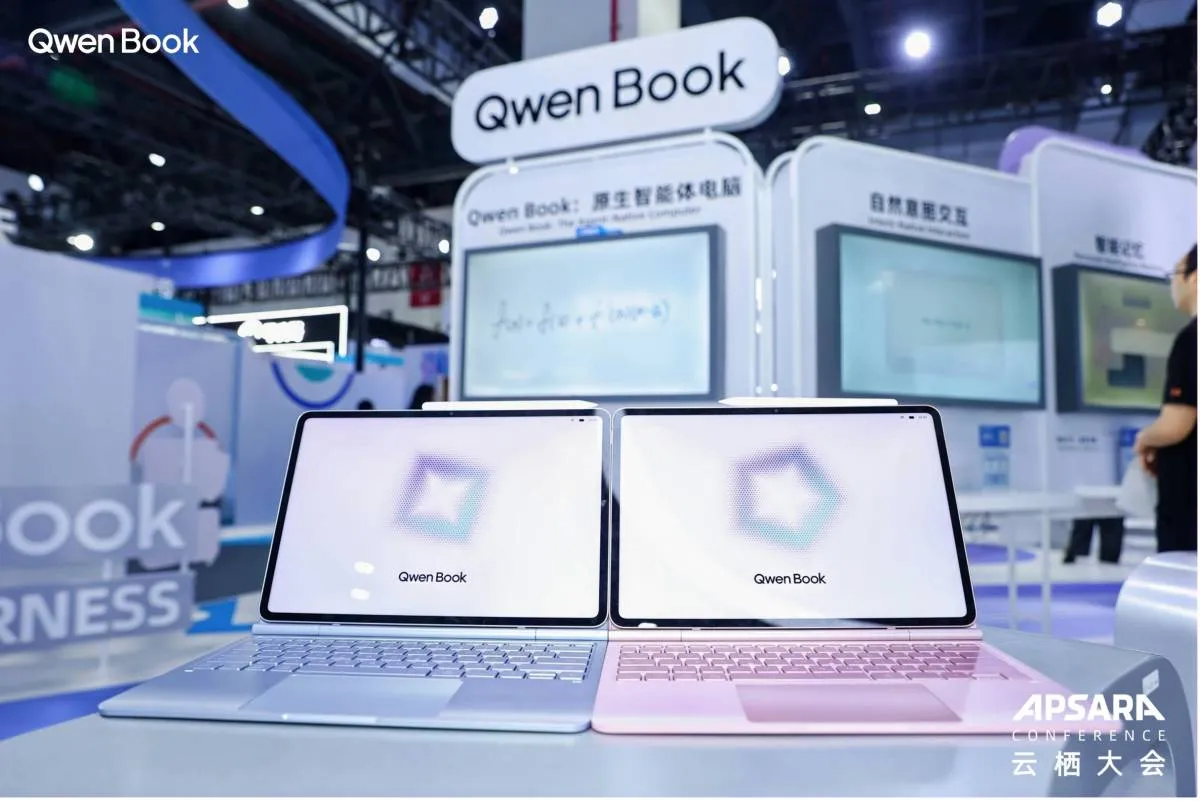
Alibaba is set to integrate the Qwen AI model with its Taobao platform, signaling a major push into agentic shopping experiences across its e-commerce ecosystem.
Sources indicate that this integration will enable more sophisticated, autonomous shopping agents on Taobao, fundamentally altering how consumers interact with online marketplaces. The strategic move positions Alibaba to leverage advanced large language model capabilities directly within the high-volume retail environment of one of China's largest platforms.
Strategic Deployment of Qwen AI
The adoption of Qwen AI represents a significant technological commitment by Alibaba, moving beyond simple conversational interfaces toward proactive, goal-oriented shopping assistants. Agentic shopping implies that the AI does not merely answer queries; it actively performs tasks—such as comparing prices across multiple vendors, tracking specific product availability, or initiating purchase flows based on inferred user intent.
This deployment aligns with broader industry trends where generative AI is shifting from being a supplementary tool to becoming an embedded operational layer within core business functions. By embedding Qwen into Taobao, Alibaba aims to enhance conversion rates and improve customer retention by providing hyper-personalized, automated assistance throughout the buying journey.
The partnership utilizes Alibaba's internal infrastructure while integrating the capabilities of the Qwen model, suggesting a tailored implementation designed for the specific data scale and operational demands of the Taobao marketplace. This is a critical development as Chinese tech giants race to deploy frontier AI models at massive commercial scales.
Analysts view this integration not just as an upgrade but as a structural evolution of e-commerce interaction in China. Traditional search-and-browse models are being superseded by agentic workflows where the system anticipates needs rather than simply reacting to commands.
Implications for E-commerce and AI Adoption
The rollout of agentic shopping on Taobao carries significant implications for competitors operating within the fiercely contested Chinese online retail sector. Success in this area could establish a new benchmark for customer experience powered by artificial intelligence in Asia.
Furthermore, this move underscores Alibaba's commitment to deepening its technological moat through proprietary or deeply integrated AI solutions. The ability of Qwen to handle complex, multi-step reasoning required by an autonomous shopping agent is key to realizing the commercial value of this integration.
The practical application will likely manifest as personalized assistants that can manage entire shopping lists, negotiate product options based on dynamic market conditions, or curate highly specific bundles tailored to individual user profiles. These agents operate using complex reasoning chains facilitated by the underlying LLM architecture.
Reuters reports that the integration is moving toward full operational deployment, marking a tangible step in making AI an active participant in the commerce transaction itself.
The commercial success of this agentic layer will depend heavily on its reliability and seamlessness within Taobao’s existing massive infrastructure. If successful, it establishes a powerful precedent for how generative AI can drive measurable improvements in high-stakes transactional environments.