
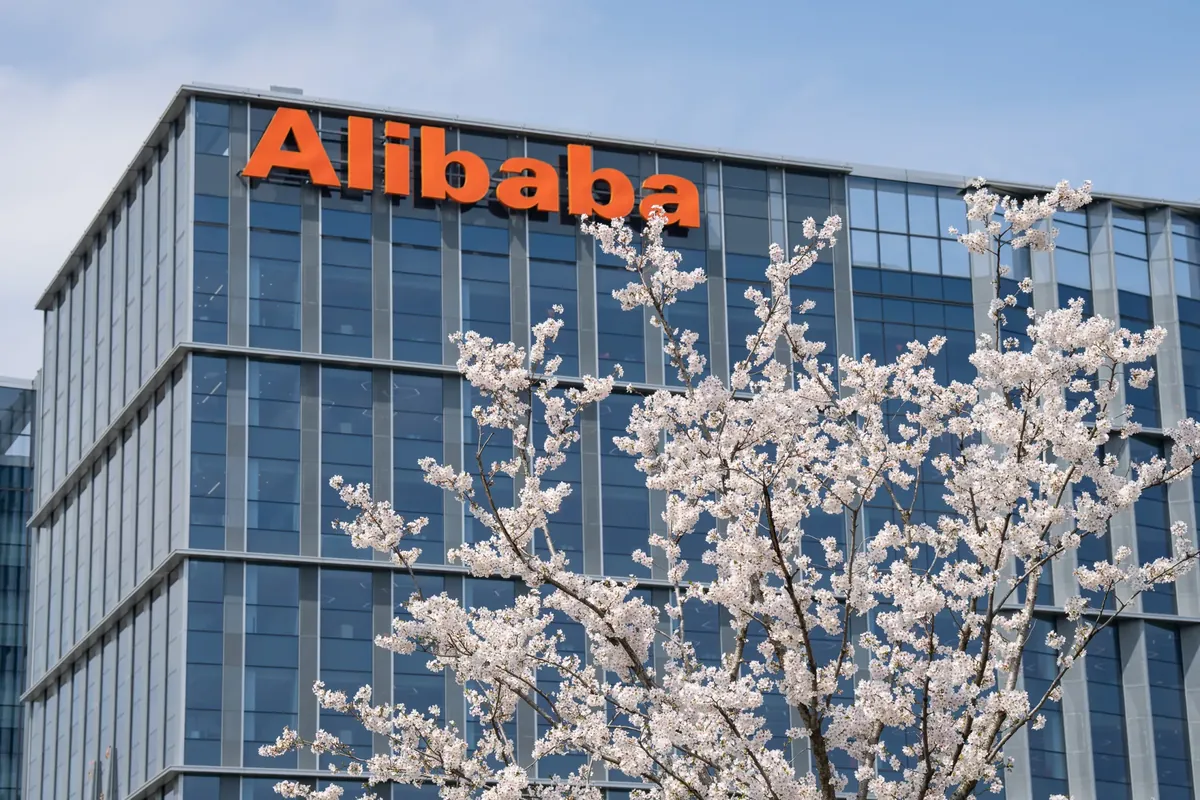
Alibaba has secured a preliminary injunction against a Pentagon contracting restriction that threatened its access to Washington lobbyists, gaining an important reprieve in its confrontation with the US government over alleged links to China’s military.
The ruling, issued on 26 October by US District Judge Eumi K. Lee in California, prevents the government from denying defence contracts to companies because they share lobbying firms with Alibaba. It allows the Chinese technology group to retain advisers who also represent Pentagon contractors.
The distinction matters. This is a dispute about political representation and the reach of procurement restrictions, rather than a judgment authorising Alibaba to supply cloud infrastructure to American military agencies. The company remains on the Pentagon’s list of Chinese military companies, and its challenge to that designation continues.
At stake is a mechanism through which Washington’s national security policies can influence commercial relationships far beyond the companies directly targeted.
Section 4663 of Title 10 of the US Code, effective from 30 June 2026, generally prohibits the Pentagon from contracting with entities that have contracts with lobbyists representing designated Chinese military companies. Its reach extends to parent companies and subsidiaries, creating consequences across corporate groups.
The legislation includes an exception for businesses that make reasonable inquiries and determine that an adviser is not a covered lobbyist. It also allows the defence secretary to waive its requirements after notifying Congress.
Those provisions give the government some flexibility. Nevertheless, the law creates a powerful commercial incentive for lobbying firms to reconsider clients whose designation could jeopardise relationships with businesses seeking defence work.
National security meets the right to petition
Alibaba and its US subsidiary filed their lawsuit on 23 June, challenging both the military designation and the lobbying restriction. Their claims invoke the Administrative Procedure Act, the First Amendment and constitutional protections concerning due process.
According to the University of Michigan’s Civil Rights Litigation Clearinghouse, the Pentagon’s designation rested on alleged affiliations with China’s State-Owned Assets Supervision and Administration Commission and Ministry of Industry and Information Technology. The government treated those connections as grounds for identifying Alibaba as a contributor to China’s defence industrial base through military-civil fusion. Alibaba disputes the designation.
The immediate injunction focused on freedom of speech and the right to petition government.
Before its designation, Alibaba retained more than two dozen lobbyists. According to evidence recounted in the court’s order, lobbying firms withdrew because of the contracting restriction, leaving the company without registered lobbyists when the law took effect.
The government argued that the restriction addressed risks of sensitive military information reaching designated companies through lobbyists, and of those companies influencing national security decisions.
Lee accepted that national security was a compelling government interest but found the justification presented insufficient to sustain the restriction. As Courthouse News reported, she concluded that the defendants had failed to meet their evidential burden under either strict or intermediate constitutional scrutiny.
The injunction applies to enforcement of the shared-lobbyist restriction concerning Alibaba. It does not strike down the law generally or remove the company’s military designation.
The practical implication is significant: a company contesting government action needs access to the policymakers considering its future. Restricting that access can compound the effects of the original designation before the underlying allegations receive a final judicial assessment.
A wider contest over Washington’s China restrictions
Alibaba’s case forms part of a broader wave of litigation by Chinese businesses challenging American defence-related restrictions.
Reuters reported that two BYD subsidiaries brought a similar First Amendment challenge in September. It also identified continuing litigation involving drone manufacturer DJI and an August preliminary injunction obtained by biotechnology company WuXi AppTec.
There is an earlier precedent for courts intervening in military-linked designations. In March 2021, a federal judge granted Xiaomi a preliminary injunction against a designation under a different statutory framework that would have triggered restrictions on US investment in its securities.
The Xiaomi court found a high likelihood of success on its administrative-law claims and a prospect of serious reputational and unrecoverable economic harm. That case concerned investment restrictions, however, rather than the lobbying relationships central to Alibaba’s latest victory.
For Alibaba, the commercial stakes extend beyond retaining Washington advisers. Reuters reports that the designation carries Pentagon procurement restrictions, including limits from 2027 on purchases through third parties. Alibaba denies military ties and describes its activities as serving retail, logistics and enterprise technology.
The latest judgment therefore offers procedural breathing space while leaving the larger dispute unresolved. Its immediate value lies in preserving access to representation as Alibaba contests a designation with potentially lasting consequences for its reputation, business relationships and position in the American market.
```