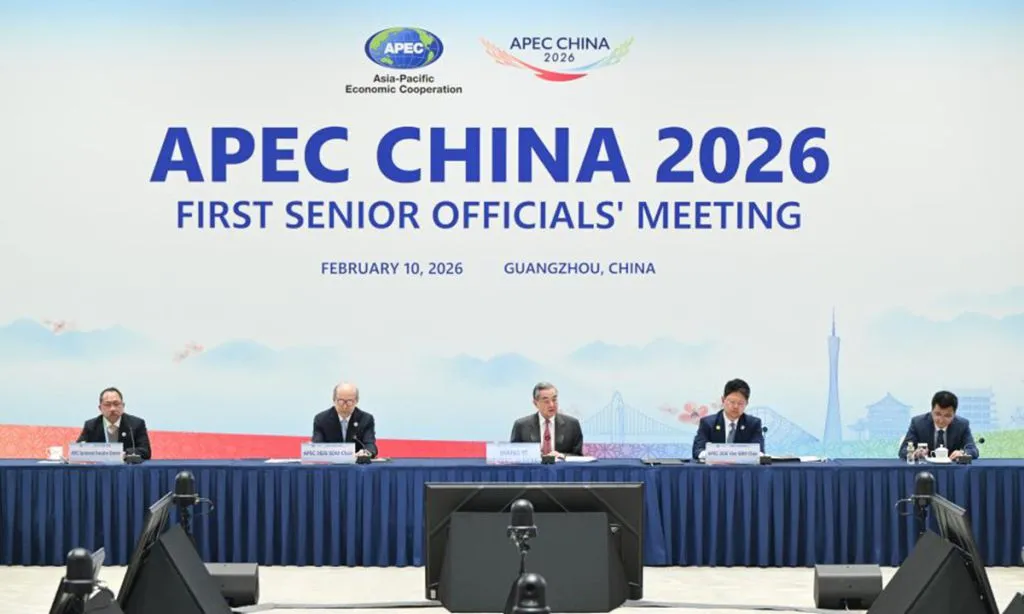
APEC delegates stressed the necessity of international cooperation on artificial intelligence and building trade resilience during the recent APEC Senior Officials' Meeting 2 (SOM2).
Participants emphasized that technological advancements, particularly in AI, must be governed by shared principles to prevent fragmentation and foster inclusive growth across member economies.
The discussions centered on navigating the evolving geopolitical landscape while maximizing the economic potential unlocked by digital transformation. Delegates called for concrete frameworks that support innovation without compromising regulatory stability.
AI Cooperation and Digital Governance
A core theme of the SOM2 meeting was establishing common ground regarding artificial intelligence development and deployment. Several nations voiced concern over the risks associated with unchecked AI adoption, including potential biases in algorithms and widening digital divides among member states.
Delegates specifically pushed for initiatives that promote interoperability among diverse national AI standards. This push reflects a broader recognition that technological sovereignty must be balanced against the benefits of global supply chains built upon advanced computation.
The call for cooperation was framed not merely as a technical necessity but as an economic imperative, ensuring that smaller economies can participate meaningfully in the high-value sectors driven by AI.
Statements circulated during the meeting highlighted the need for capacity building, urging developed members to assist developing economies in integrating AI technologies into their domestic industrial strategies. This addresses concerns about technological dependency and uneven competitive advantages.
The emphasis on governance suggests a move away from purely unilateral technological advancement toward multilateral stewardship of critical digital infrastructure. The consensus leaned toward creating flexible guidelines rather than rigid, restrictive regulations that could stifle innovation prematurely.
Strengthening Trade in a Volatile World
Beyond artificial intelligence, trade resilience emerged as another paramount concern addressed by the APEC officials. Participants acknowledged the persistent disruptions caused by global health crises, geopolitical tensions, and increasingly unpredictable logistical chains.
The focus shifted toward diversifying sourcing strategies and hardening regional supply networks against external shocks. Delegates debated mechanisms to foster deeper intra-regional trade links, thereby reducing vulnerability to single-point failures in global production lines.
Specific discussions touched upon the integration of digital tools—including blockchain and advanced data analytics—into customs procedures and logistics management. These technologies are seen as critical enablers for creating more transparent and robust trading environments.
Furthermore, members underscored the importance of maintaining open trade frameworks even amid rising protectionist sentiment elsewhere in the world. The APEC platform was utilized to advocate for adherence to established multilateral trade norms.
The call for resilience is intrinsically linked to technological capability; a nation's ability to rapidly pivot production or efficiently manage complex cross-border data flows directly correlates with its economic stability. Therefore, investment in digital infrastructure was presented as foundational to achieving resilient supply chains across the Asia-Pacific region, as detailed in reports from China Daily .