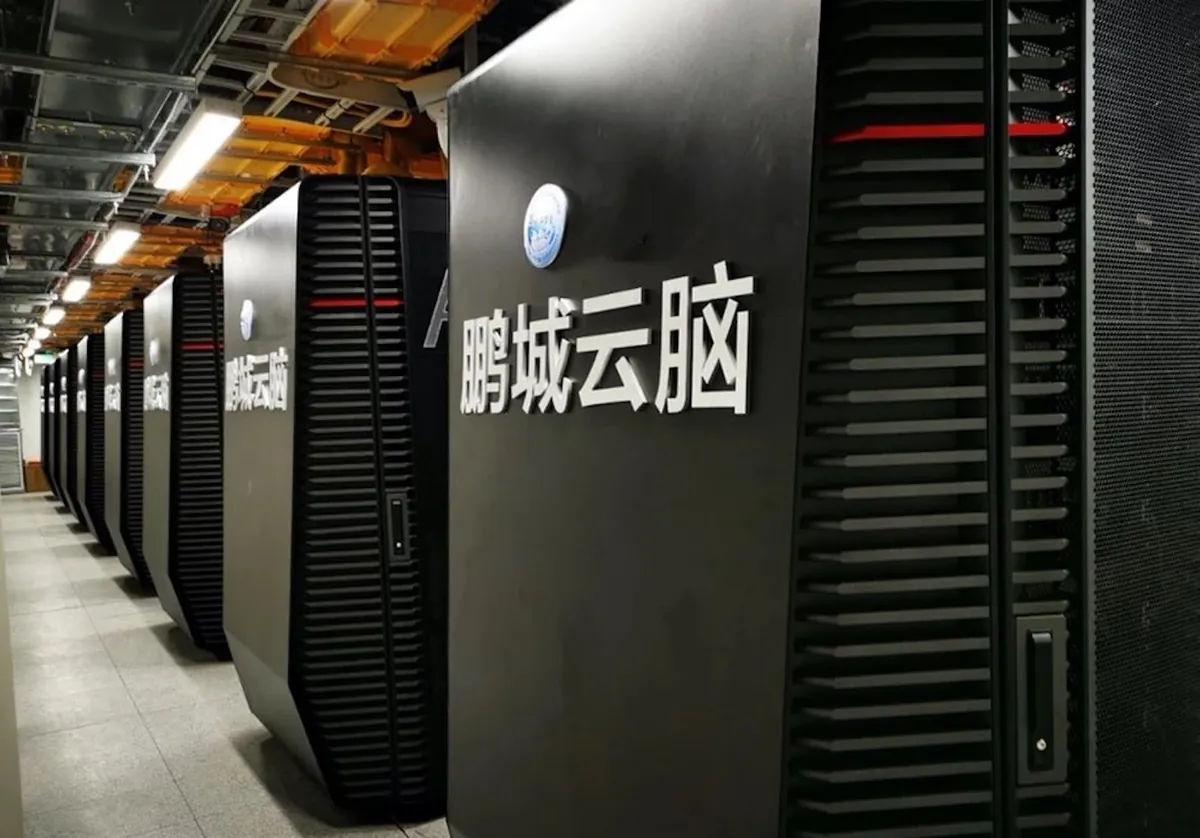
Baidu and SenseTime are aggressively positioning themselves as foundational pillars of China's burgeoning artificial intelligence sector, driven by massive investment and strategic technological leaps.
The Race for AI Dominance
Chinese technology giants are rapidly consolidating market share in artificial intelligence, transforming domestic R&D into global competitive advantages. Baidu, a long-standing leader in Chinese internet services, is heavily emphasizing its Ernie Bot platform as a key differentiator against international models.
The company's strategy centers on developing large language models (LLMs) tailored to the nuances of the Chinese linguistic and cultural landscape. This localization effort aims to provide superior performance within the domestic ecosystem while expanding global reach. Baidu is reportedly channeling significant resources into enhancing Ernie Bot’s reasoning capabilities and integration across its broader software suite.
SenseTime, another dominant force, has carved out a formidable niche in computer vision and intelligent surveillance systems. The firm's success stems from deploying AI solutions directly within critical infrastructure, including smart cities and industrial automation environments throughout China.
Analysts observe that the focus has shifted from mere capability demonstration to large-scale commercial deployment. While foundational research remains crucial, market viability through practical application—such as facial recognition accuracy in public transit or autonomous vehicle perception stacks—is now the primary metric of success for these tech behemoths.
Strategic Pillars and Future Trajectories
Investment flows into these AI titans reflect a national strategic imperative to achieve technological self-sufficiency. Government support, often channeled through policy incentives and access to vast datasets, provides a substantial moat around established players like Baidu and SenseTime.
The competitive landscape is intensifying beyond the top two mentioned entities. Emerging startups are leveraging specialized AI verticals—such as medical imaging analysis or agricultural optimization—to challenge incumbents in niche markets. However, these smaller firms often rely on partnerships with the larger corporations for access to computational power and massive training data sets.
The evolution of their business models indicates a move toward platformization. Instead of simply selling software licenses, companies are building comprehensive AI ecosystems where different services—from natural language processing to predictive maintenance—are interconnected under one umbrella.
Looking forward, the integration of generative AI into traditional enterprise workflows represents the next major battleground. Successfully embedding these advanced models into supply chain management, financial risk assessment, and customer service operations will define the winners in China's ongoing technological ascendancy. These companies are not just developing algorithms; they are architecting the digital infrastructure of modern Chinese industry.