
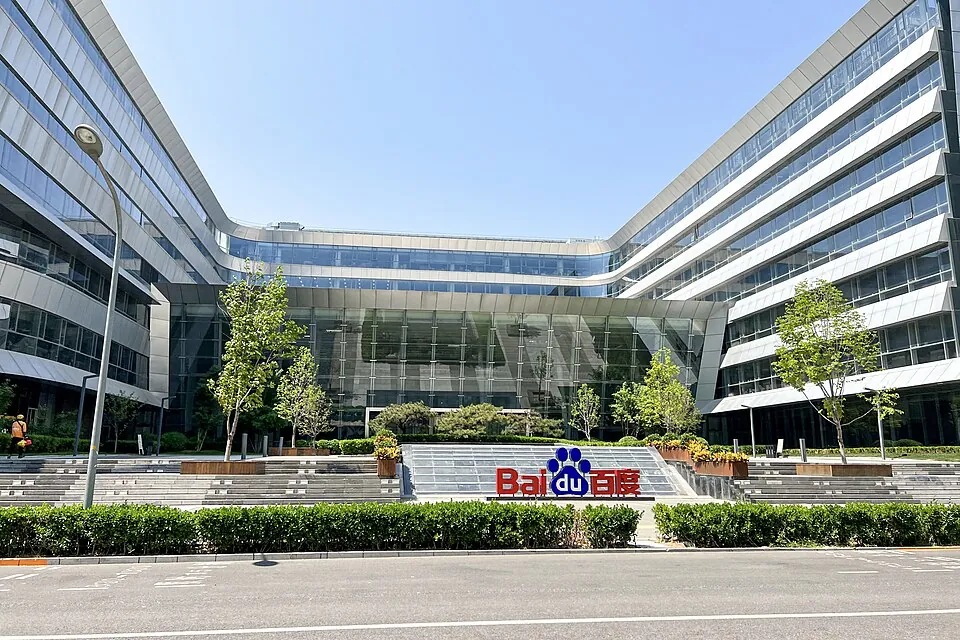
Baidu is reportedly engineering a sophisticated "world model" to fundamentally accelerate the development of its autonomous driving systems, signaling a major technological pivot in China's AI competition.
This initiative moves beyond traditional perception stacks, aiming to create a holistic, predictive understanding of complex real-world driving scenarios. By modeling the environment's dynamics—not just recognizing static objects—Baidu seeks to achieve a level of operational autonomy previously considered distant.
The strategic investment in this world model reflects a clear corporate commitment to leapfrog competitors in L4 and L5 autonomy, positioning the company not merely as a software provider but as a comprehensive intelligent mobility platform operator.
Technical Architecture and Implementation
The world model functions as an advanced cognitive layer, integrating massive datasets spanning visual, LiDAR, and sensor fusion inputs into a unified, generative framework. Instead of reacting to immediate inputs, the model is designed to simulate potential future states of traffic flow and pedestrian behavior.
Technode reports that this development leverages Baidu's existing AI infrastructure, requiring substantial computational power for training and real-time inference. The goal is to enable the vehicle to anticipate hazards minutes in advance, a crucial differentiator from current reactive driving algorithms.
Commercially, this advancement is critical for Baidu's partnerships within the mobility sector. Achieving higher levels of reliable autonomy translates directly into higher perceived value for enterprise clients and faster deployment timelines for Baidu's self-driving solutions.
Market Dynamics and Geopolitical Implications
The pursuit of comprehensive world modeling places Baidu at the vanguard of the global race for Artificial General Intelligence (AGI) applied to physical systems. In the automotive sector, this represents a shift from supervised machine learning to more complex, emergent reasoning capabilities.
Geopolitically, China’s emphasis on developing domestic, foundational AI models like this world model is a direct strategic maneuver. It reduces reliance on proprietary, often Western-dominated, deep learning architectures for mission-critical infrastructure like autonomous transport.
If successful, Baidu’s world model could set a new international benchmark for automotive AI safety and capability. Investors and competitors will closely monitor the transition from simulation environments to rigorous, large-scale public road testing to determine the true commercial viability of this ambitious research direction.