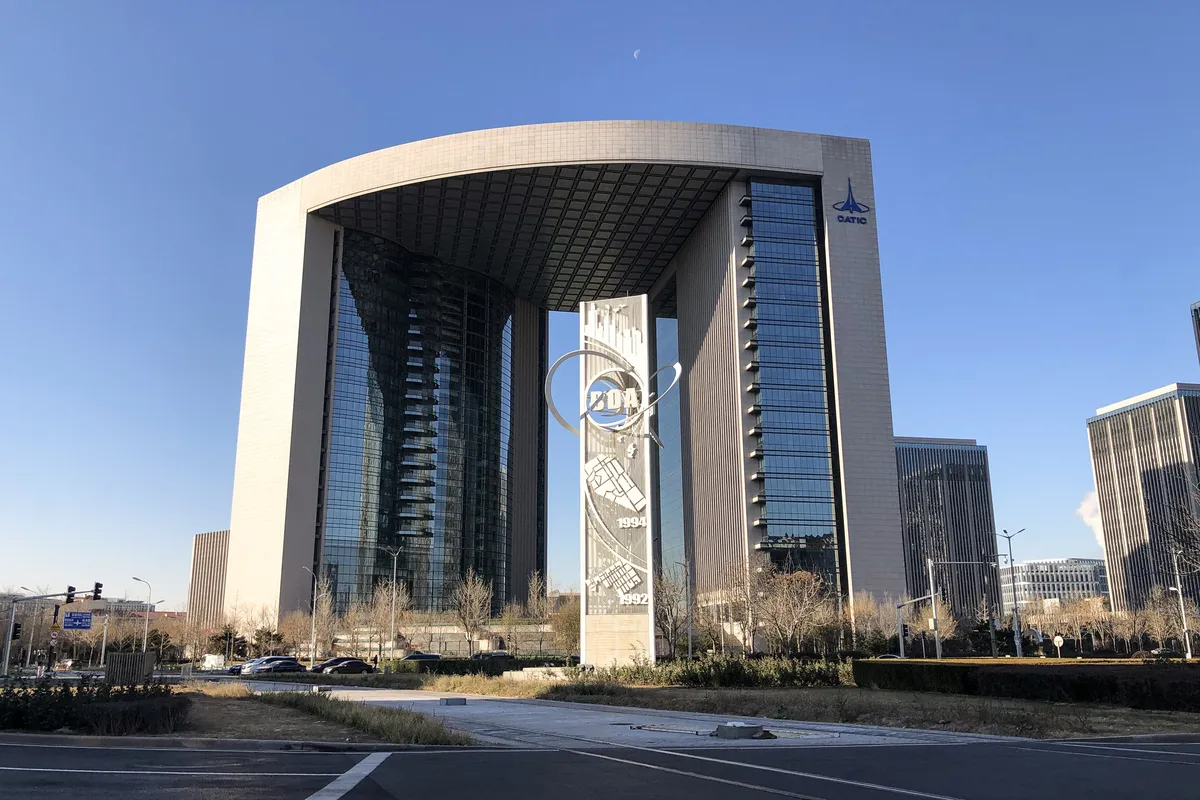
Rents in Beijing’s high-tech districts are surging as expanding artificial intelligence and semiconductor firms aggressively compete for prime real estate.
Explosive Commercial Real Estate Growth
The rapid influx of major technology players into key Beijing hubs is fundamentally reshaping the commercial property market, driving up operating costs for both startups and established enterprises alike. According to industry analysis, demand far outstrips current supply in areas central to China's innovation ecosystem.
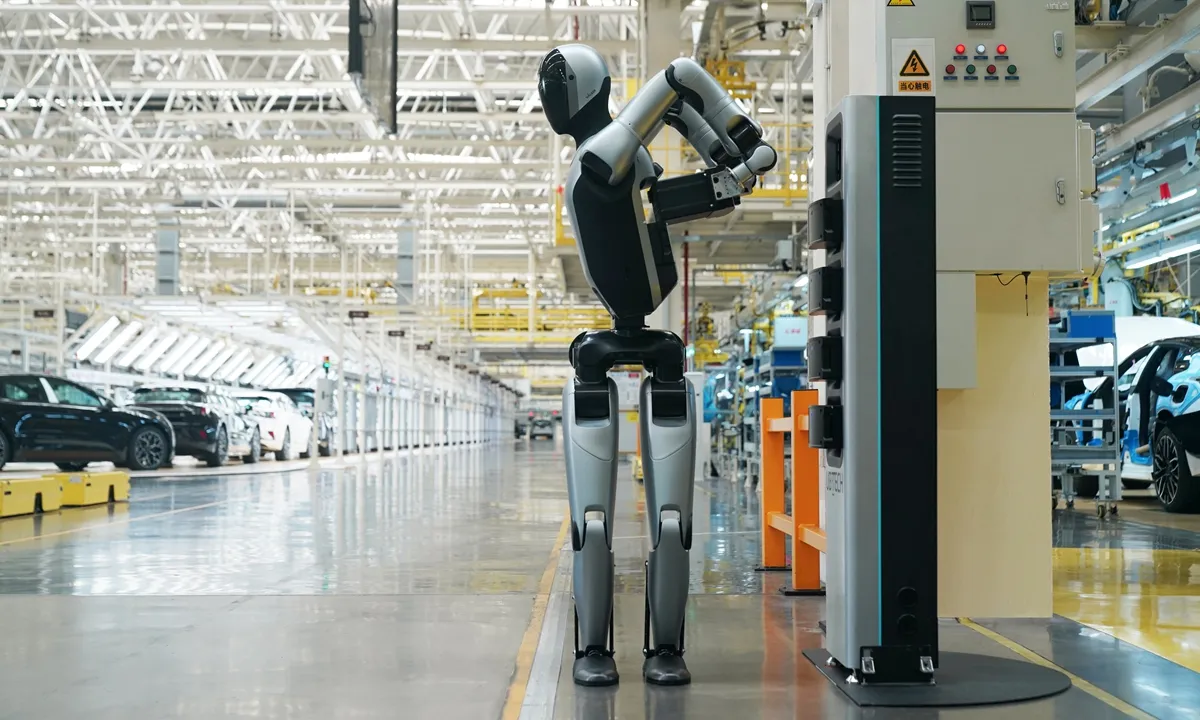
These firms are not merely occupying space; they are establishing deep operational footprints necessary to support intensive AI training models and advanced chip fabrication R&D. The specialized needs of these high-compute environments—requiring significant power, cooling, and connectivity—make prime locations exceptionally valuable commodities.
Real estate developers in the region report unprecedented leasing rates across multiple submarkets within Beijing's tech corridors. Companies involved in AI infrastructure, particularly those handling large language model development, are willing to pay premium prices to ensure proximity to talent pools and critical supply chain partners.
This intense competition is creating a bifurcation in the market. While flagship headquarters command exponential rent increases, smaller ancillary businesses supporting the tech cluster face significant pressure regarding affordability and operational viability.
The underlying driver of this real estate inflation is China's national strategic push toward technological self-sufficiency and global AI dominance. Government incentives and massive private investment flows into domestic semiconductor and software giants are concentrating economic gravity within specific geographic zones, amplifying localized demand spikes.
Implications for the Tech Ecosystem
The rising cost of physical space carries broader implications for the sustainability and operational strategy of tech firms operating in China. For early-stage startups, these escalating overheads present a substantial barrier to entry, potentially favoring well-capitalized incumbents capable of weathering high burn rates.
Industry observers suggest that while proximity remains crucial for collaborative innovation—allowing engineers from different sectors to interact fluidly—the exponential rent increases are prompting some firms to reevaluate their physical footprint strategies. There is a discernible trend toward optimizing space utilization rather than simply expanding square footage.
Furthermore, the concentration of high-value assets in limited districts raises concerns about infrastructure strain and market saturation risks down the line. If talent migration becomes too tightly coupled with prime real estate locations, it could inadvertently stifle geographic diversity within the innovation pipeline.
The semiconductor sector specifically is characterized by capital-intensive requirements, meaning that even smaller R&D labs require specialized power delivery systems often only available in newly developed or premium commercial towers. This technical necessity reinforces the pricing power of landlords in these strategic zones.
Ultimately, the soaring rents reflect a broader macro trend: Beijing’s high-tech district is solidifying its status as a primary global node for advanced computing and AI development, with real estate serving as a quantifiable measure of that economic gravity. Firms are effectively bidding on access to China's most concentrated pool of technological power.