BYD looks beyond the showroom floor
SHENZHEN, China — BYD wants its next car salesman to be made of metal.
Stella Li, the Chinese automaker’s executive vice president, said the company is developing humanoid robots that could eventually greet customers, explain vehicle features and help sell electric cars in BYD showrooms. The plan, described in an interview with Business Insider at the Cannes Lions festival, would put robots alongside human sales staff rather than replace them, Li said.
The proposal underscores how quickly the world’s largest electric-vehicle makers are turning robotics from a futuristic side project into a strategic extension of their manufacturing and retail businesses. BYD, already a dominant force in batteries and new energy vehicles, is betting that the same technologies used in smart cars — sensors, batteries, motors, software and artificial intelligence — can be applied to machines that walk, talk and work in human spaces.
Li said showroom robots could be ready within one to two years and suggested home robots could follow later. BYD also has considered using its extensive dealer network to sell robots if they become consumer products, according to Chinese auto industry reports published earlier this month.
The company has not announced pricing, production dates or technical specifications for the robots. But the ambition fits BYD’s broader pattern: build core technologies in-house, scale them aggressively and use manufacturing volume to push down costs.
BYD sold more than 4.6 million new energy vehicles in 2025, including battery-electric and plug-in hybrid models, and has been expanding outside China even as domestic competition and price cuts pressure profits.
A crowded race for human-shaped machines
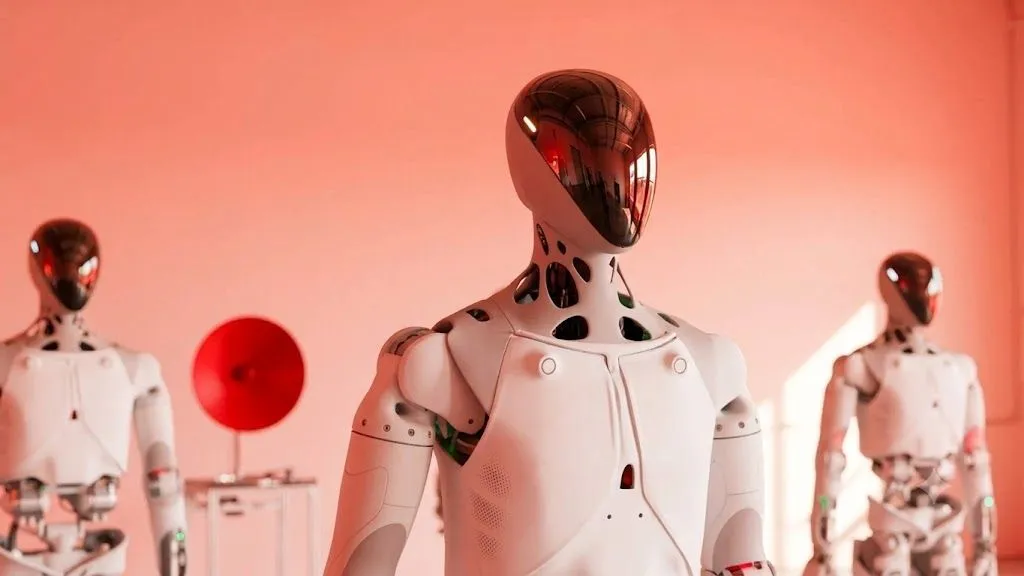
BYD is entering a field already crowded with automakers, startups and technology companies. Tesla has promoted its Optimus humanoid robot as a future factory and household worker. Hyundai-owned Boston Dynamics has been developing Atlas, a humanoid robot expected to be used eventually in automotive production.
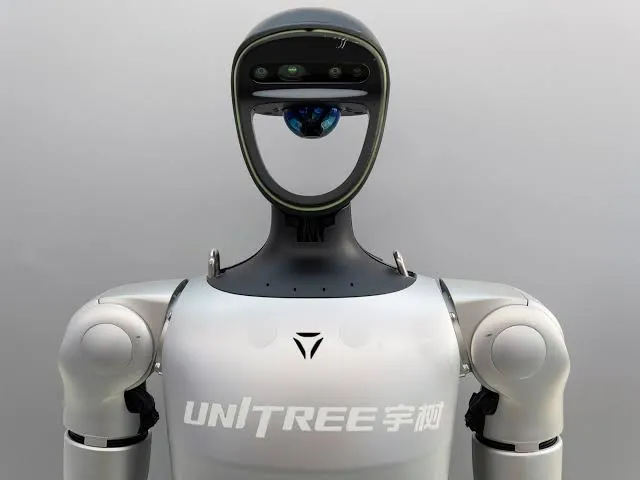
China has become one of the most active markets for humanoid robotics. Companies such as Unitree and UBTech have drawn attention for relatively low-cost robots, while local governments have poured money into robotics and embodied AI. A recent Guardian report described a fast-growing Chinese robotics ecosystem that includes factory automation firms, humanoid startups and workers training robots through teleoperation.
The business case remains uncertain. Humanoid robots face hard technical problems, including balance, dexterity, battery life, safety and the ability to operate reliably in unpredictable public spaces. A robot that can explain a car in a controlled showroom is a simpler task than one that can clean a home or handle varied factory jobs without supervision.
For BYD, the showroom could be a useful first stage. A robot can repeat product demonstrations, guide customers through displays and collect questions that help train future systems. It can also serve as marketing: a walking symbol that BYD is not just selling electric cars but building a broader technology platform.
Li’s comments suggest BYD sees robotics less as a novelty than as an extension of its automotive supply chain. If the company can manufacture humanoids at scale, it could bring the same pressure to robotics that Chinese automakers have brought to the global EV market: faster production, lower costs and competition that forces rivals to move sooner than planned.