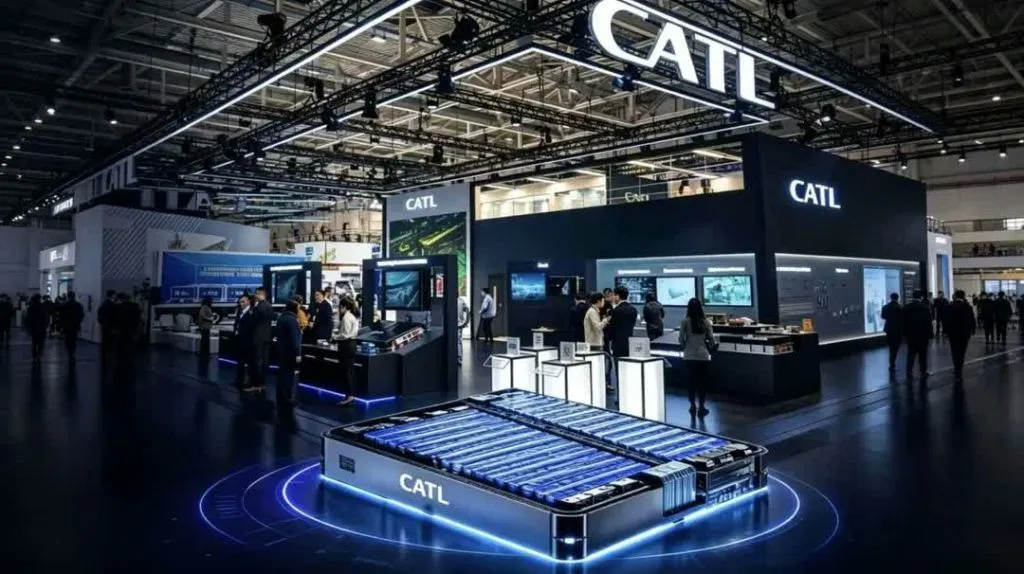
CATL has initiated mass production of its sodium-ion batteries, signaling a critical industry pivot away from reliance on costly and geopolitically sensitive lithium chemistries.
The commencement of large-scale manufacturing establishes sodium-ion technology as a viable commercial contender in the high-capacity energy storage sector. This move directly addresses supply chain vulnerabilities and escalating material costs that have constrained the global electric vehicle (EV) and grid storage markets for years.
Implications of the New Batteries
Sodium, an abundant element found globally, offers a compelling alternative to lithium when considering raw material security and cost parity. CATL's commitment positions the company at the forefront of this technological transition, potentially reshaping battery manufacturing landscapes worldwide.
The shift is not merely incremental; it represents a fundamental change in the chemical foundation supporting large-scale energy storage solutions. Sodium batteries operate effectively with lower material requirements and avoid reliance on mining operations concentrated in specific geopolitical regions.
Industry analysts suggest that while sodium-ion technology may currently lag behind high-nickel lithium chemistries in terms of peak energy density, its advantages in cost structure and resource availability make it ideal for stationary grid storage applications where weight is less critical than volumetric capacity and durability.
CATL confirmed that the initial production rollout targets specific utility-scale projects first. This phased deployment strategy allows the manufacturer to gather extensive real-world performance data under varied operational loads before pursuing full integration into high-performance automotive platforms.
The company has stated its intent to optimize cell design further, aiming to narrow the performance gap between sodium and lithium chemistries over the next three to five years. This aggressive roadmap indicates a commitment to making sodium batteries competitive across multiple segments of the energy storage ecosystem.
Market Dynamics and Competitive Positioning
This production announcement places CATL in direct competition with other emerging battery players who are also exploring non-lithium alternatives, such as zinc-ion and iron-air technologies. However, CATL's scale and established manufacturing infrastructure provide a significant competitive moat.
The global push toward decarbonization necessitates diverse energy storage solutions, preventing any single chemistry from monopolizing the market. Sodium batteries fulfill this need by providing a resilient, low-cost option for emerging markets and regions with limited access to lithium reserves.
Sources indicate that demand for affordable storage solutions—driven by renewable energy integration like solar and wind farms—is outpacing current supply capabilities. CATL's mass production capability directly addresses this critical bottleneck in the transition to a fully electrified infrastructure.
Furthermore, the technology’s potential to function robustly at varying temperatures offers operational advantages over some lithium compounds, particularly in harsh climates where extreme temperature fluctuations challenge battery longevity and performance.
The successful scaling of sodium battery production validates years of intensive research and development by Chinese battery giants. This achievement reinforces China's dominant position in the global advanced materials manufacturing sector while simultaneously providing a crucial hedge against raw material price volatility.