China's burgeoning artificial intelligence capabilities are being significantly amplified through strategic international partnerships, solidifying its position as a global technology powerhouse.
Strategic Alliances Bolster AI Advancement
Recent developments between Nvidia and Unitree Robotics underscore China’s aggressive push to integrate advanced AI into core industrial and research sectors via cross-border collaborations. These agreements are not merely commercial ventures; they represent deliberate state-level strategies designed to accelerate technological parity and achieve global leadership in next-generation computing.
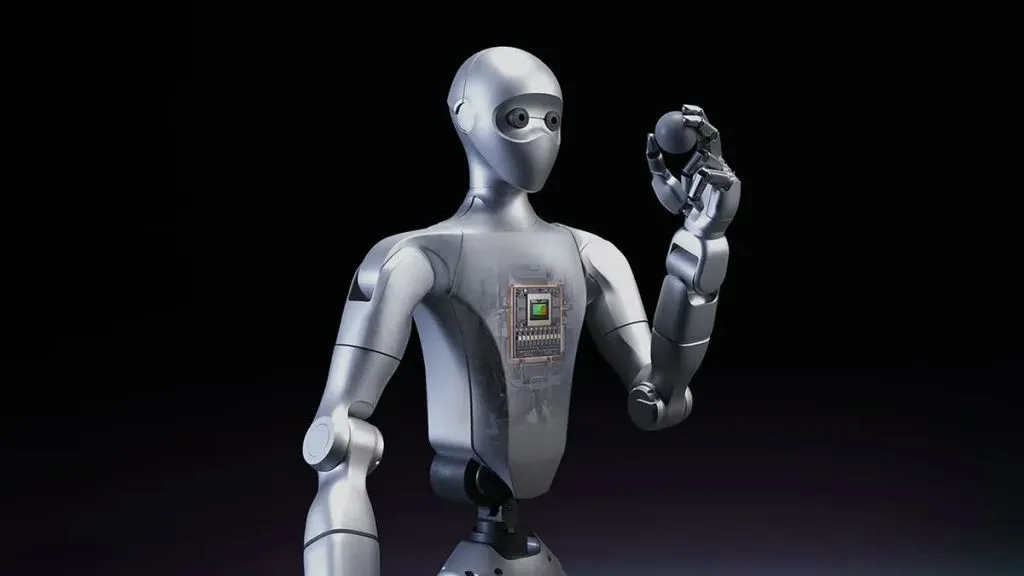
In the case of Nvidia and Unitree, the partnership spans foundational research, application deployment, and talent exchange across key domains such as large language models, computer vision, and autonomous systems. The companies will deploy NVIDIA's Jetson Thor and Isaac GR00T open development platform to provide AI capabilities to Unitree H2 Plus humanoid robots. By leveraging foreign expertise alongside domestic innovation capacity, Chinese firms are rapidly closing technology gaps while simultaneously establishing new global standards in AI implementation.
Specific collaborations detailed in recent industry analyses indicate a heightened emphasis on secure data sharing protocols—a critical element given the sensitivity of big data to AI training sets. Companies involved in these pacts are reportedly working to develop localized, yet globally competitive, AI solutions tailored for diverse international regulatory environments.
This proactive engagement with global technology players signals a maturity in China's tech ecosystem; it is moving beyond simply adopting foreign technology toward actively co-developing and exporting advanced intellectual property. The government has clearly prioritized this trajectory, funneling substantial capital into supporting these high-level international engagements.
Domestic Momentum Meets Global Reach
The success of these external alliances directly feeds into China's robust domestic AI development initiatives. Domestic champions are utilizing the influx of foreign technology and collaborative blueprints to scale up their internal research pipelines exponentially.
For example, partnerships facilitate access to cutting-edge hardware architectures and specialized datasets that may be proprietary or geographically restricted within national borders. This infusion of external resources acts as a powerful catalyst for domestic firms aiming for rapid commercialization of AI products across manufacturing, healthcare, and smart city infrastructure.
Analysts observe that the emphasis has shifted from purely theoretical research to practical, high-impact deployments. The integration of advanced machine learning into tangible services—such as predictive maintenance in factories or diagnostic support in hospitals—is where the immediate strategic value of these partnerships is being realized. This operational focus ensures that AI development translates quickly into economic competitiveness.
Furthermore, the diplomatic dimension of these tech agreements cannot be overstated. They serve to embed Chinese technological influence within international supply chains and research consortia. By participating in global standards-setting bodies through these partnerships, China secures not only access but also a seat at the table where future technological governance will be defined.
The sustained momentum suggests that AI is no longer viewed merely as an industrial upgrade but as a critical pillar of national strategic security and economic sovereignty. The ongoing cultivation of these international ties ensures that China’s ascent in artificial intelligence remains both domestically powerful and globally integrated.