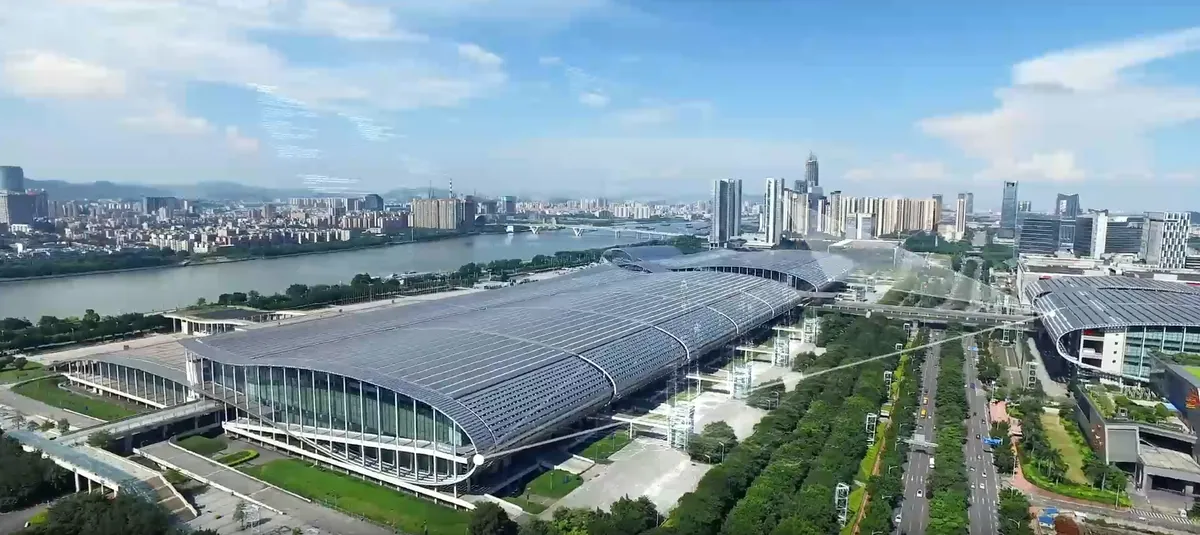
China is significantly enhancing early weather warning capabilities across its vast territory through coordinated technological initiatives, ensuring faster and more precise disaster alerts for citizens.
Technological Advancements in Weather Prediction
Announced at at the meteorological forum of the 2026 World AI Conference (WAIC), officials said that new integrated systems are allowing Chinese meteorological agencies to process massive datasets far quicker than previous models allowed. These advancements focus heavily on leveraging big data analytics coupled with sophisticated remote sensing technologies to anticipate extreme weather events.
The government has prioritized upgrading infrastructure across various regions, moving beyond localized monitoring to establish a truly nationwide early warning network. This modernization effort addresses the inherent challenges presented by China's diverse topography and varied climate zones.
As part of its improvements, the China Meteorological Administration has launched the MAZU-FengYun Satellite AI Box, which combines hardware, software and artificial intelligence with data from China’s Fengyun satellites. The platform is designed to accelerate weather analysis, improve forecasting accuracy and strengthen early-warning systems for extreme weather events.
Specific technological upgrades include the deployment of denser networks of automated weather stations and enhanced satellite observation capabilities. These sensors provide real-time atmospheric data, offering meteorologists unprecedented granularity in their predictive models.
Furthermore, there is a concentrated effort on integrating Artificial Intelligence into forecasting algorithms. This integration enables systems to detect subtle patterns indicative of impending severe weather—such as sudden shifts in pressure or unusual moisture accumulation—that might be missed by traditional statistical methods alone.
The strategic significance of these technological leaps lies in their direct impact on public safety and economic stability. More accurate, earlier warnings translate directly into more effective emergency response mobilization, allowing communities to prepare for floods, typhoons, and extreme heatwaves with greater lead time.
Improving Early Warning Systems Nationwide
The operational rollout of these enhanced systems is being managed under a central directive aimed at achieving comprehensive coverage. Authorities are focusing not just on the accuracy of the forecast but also on the speed and accessibility of the resulting alerts to the end-user.
A key component of this initiative involves streamlining communication channels between meteorological bureaus, local disaster management agencies, and public notification platforms. This integration ensures that a sophisticated prediction generated in a central hub reaches vulnerable populations rapidly across mobile networks and digital signage.
The focus on early warning is particularly critical given the increasing frequency and intensity of climate-related hazards observed globally. China's proactive technological investment positions it as a leader in applying high-tech solutions to large-scale environmental risk management.
Stakeholders, including agricultural sectors and urban infrastructure planners, are benefiting from this improved data flow. Farmers receive timely alerts regarding drought or excessive rainfall, enabling preemptive harvesting or irrigation adjustments, while city managers can prepare drainage systems ahead of heavy precipitation events.
This concerted push toward a highly responsive warning apparatus reflects the government's commitment to resilient development. By mastering advanced meteorological tools, China is mitigating systemic risks associated with its massive population density and complex environmental conditions.