China tests the ocean as AI’s cooling system
As artificial intelligence drives demand for ever-larger data centers, China is putting some of that computing power under the sea.
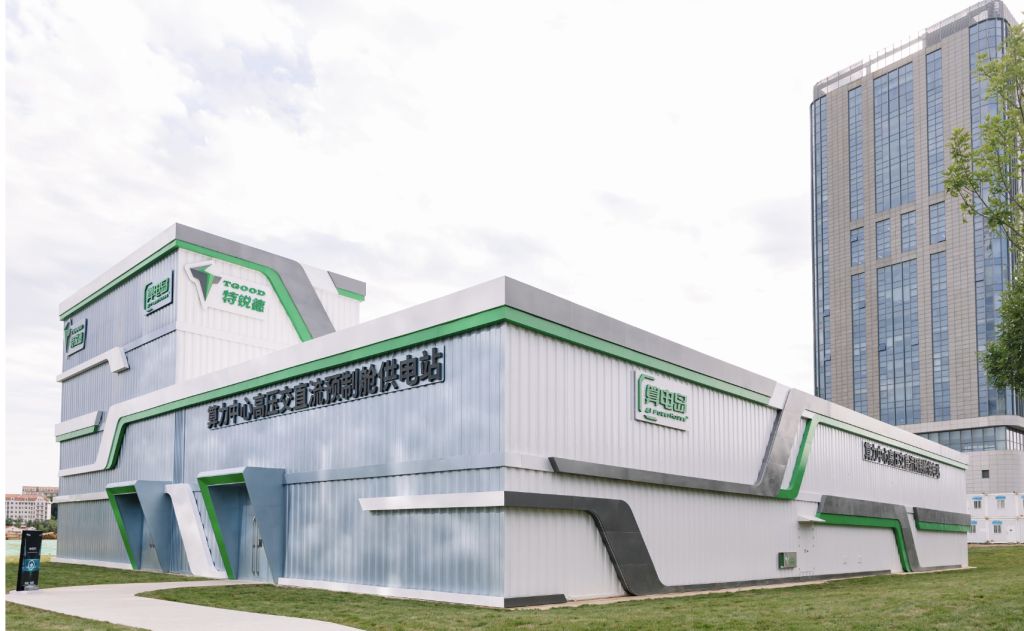
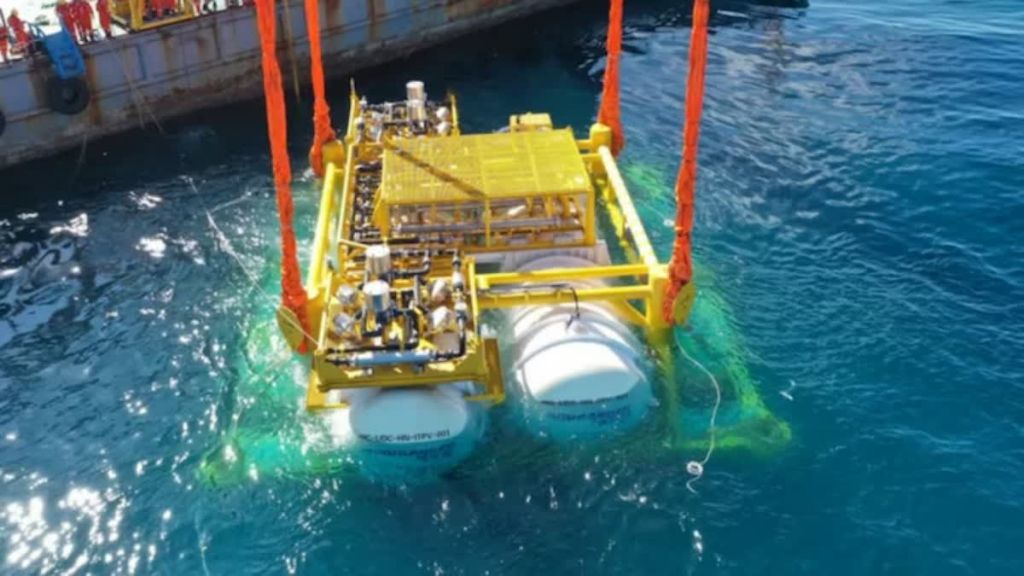
A wind-powered undersea data center off Shanghai’s eastern coast began operating in May, using seawater for cooling and offshore wind for most of its electricity. The Shanghai Lingang project, about 6 miles offshore and roughly 33 feet below the surface, is designed to show whether coastal cities can expand AI infrastructure while cutting the land, power and freshwater demands that have made data centers a growing environmental concern.
The project has drawn about $226 million in investment and is planned for 24 megawatts of capacity, though its initial phase is running at 2.3 megawatts. Developers say the submerged facility holds 192 server racks across four levels and is supporting AI-related workloads, including big data processing and domestic large language model development.
The premise is simple: Servers produce heat, and cooling them consumes large amounts of electricity and, in many conventional facilities, freshwater. By placing sealed modules beneath the ocean surface, the Lingang system uses surrounding seawater as a natural heat sink. Offshore wind farms nearby supply most of the power through subsea cables.
Developers say the system can reduce electricity use by more than 20%, eliminate freshwater use for cooling and cut land requirements by more than 90% compared with traditional land-based data centers. At full scale, they say, it could save 61 million kilowatt-hours of electricity each year.
A promising model, with unanswered questions
The experiment comes as governments and technology companies confront the physical cost of AI. Data centers are no longer just warehouse-like buildings on the edge of cities. They are becoming critical infrastructure that competes for electricity, water, land and public tolerance.
Water use is a particular concern. Some data centers rely on evaporative cooling, which can consume freshwater in regions already facing drought or strained water systems. The Mary Sue, citing warnings from water researchers, noted that global data center water demand could rise sharply by 2030 as AI workloads expand.
China is not the first to try underwater computing. Microsoft tested an undersea data center off Scotland’s Orkney Islands in 2018 and later said the concept was feasible. China’s project, however, is being presented not as a short-term trial but as commercial infrastructure linked to real AI and cloud workloads.
Supporters say the model could be especially useful for coastal technology hubs, where land is expensive, renewable offshore power is available and cooling needs are rising. China has also made AI infrastructure a strategic priority, and the Shanghai project fits into a broader push to pair computing growth with clean energy development.
But putting data centers beneath the ocean raises its own concerns. Engineers must manage corrosion, pressure, maintenance access, cable reliability and the cost of repairing equipment offshore. Environmental questions also remain, including whether repeated heat discharge could affect nearby marine ecosystems or disturb sediments if underwater facilities expand.
For now, the Shanghai project is less a final answer than a signal of where the AI boom is pushing infrastructure. The next generation of data centers may be judged not only by speed and computing power, but by how much water, energy and land they avoid using.