Chinese developers, facing financial distress, are turning to semiconductor side-hustles to generate crucial retail cash flow.
Developer Distress Meets Tech Opportunity
The Chinese property sector is enduring a severe downturn, with numerous developers grappling with liquidity crises and stalled projects. In response to this systemic pressure, several firms have begun aggressively pursuing ventures related to semiconductor technology, effectively turning these technical pursuits into revenue streams aimed at satisfying immediate financial obligations.
This strategy represents an unconventional pivot for traditionally real estate-focused entities. Rather than solely relying on property sales or government support, these developers are tapping into the high-growth, capital-intensive landscape of microelectronics manufacturing and related services to bolster their balance sheets. The retail frenzy surrounding these side-hustles suggests a tangible market appetite for products or services originating from these repurposed corporate efforts.
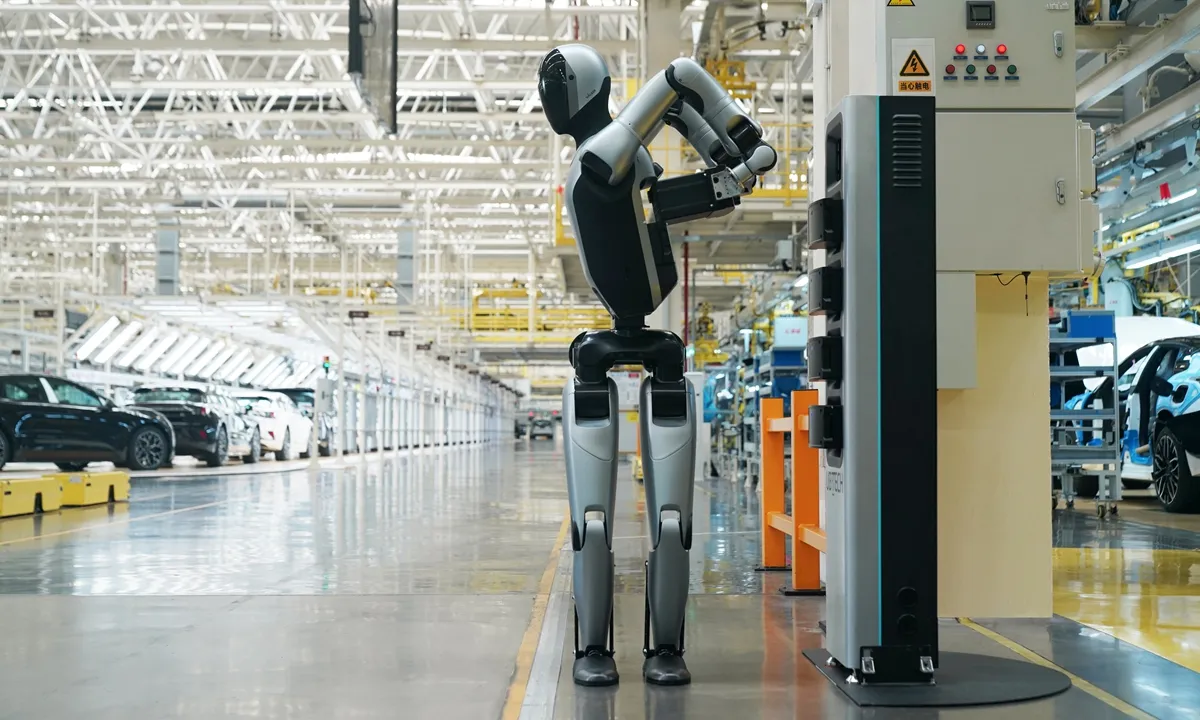
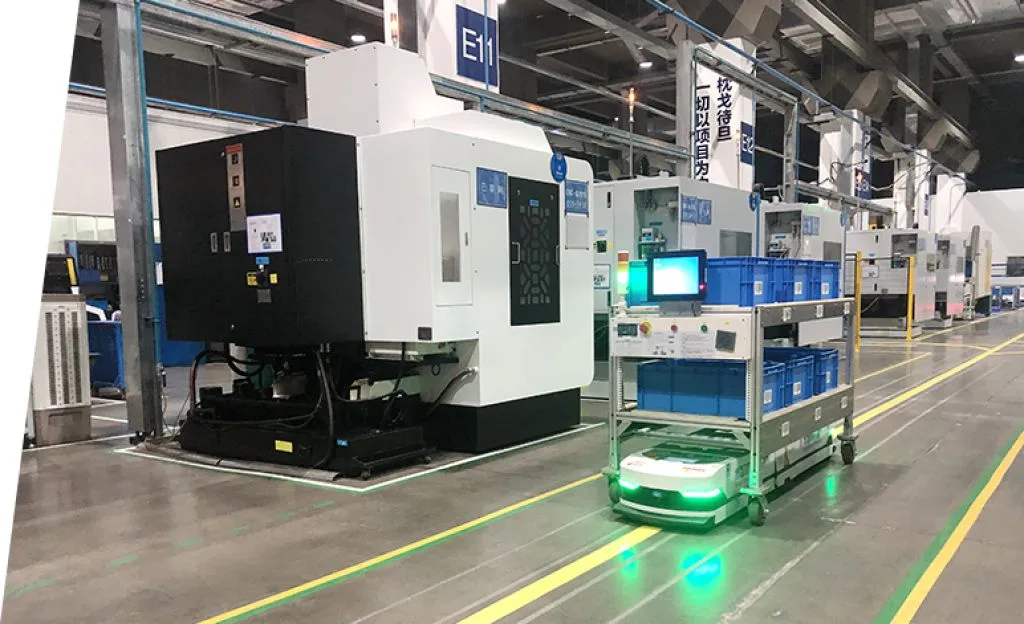
Some companies are using existing operational capacities or established partnerships within the technology ecosystem, allowing them to generate income streams separate from their core real estate liabilities. In this, they are following the example of Country Garden: primarily a real-estate developer, it created Guangdong Bright Dream Robotics in 2018 to develop construction robots, BIM digitalisation, prefabricated-building systems, and other intelligent construction solutions. The company describes the unit as focused on R&D, production, and application of construction robots and digital construction technology, rather than conventional property sales.
The integration of semiconductor activity into a distressed developer’s portfolio highlights a broader trend in Chinese corporate maneuvering: rapid, pragmatic adaptation to macroeconomic headwinds. These ventures are not merely speculative; they appear directly tied to immediate cash generation needed to manage debt servicing and maintain operational viability amidst regulatory scrutiny and market contraction according to the South China Morning Post.
Strategic Implications for China's Real Estate Future
This phenomenon signals a potential, albeit fragile, mechanism of self-rescue within the beleaguered property sector. By engaging in semiconductor ventures—a sector heavily favored by Beijing’s industrial policy goals—these developers are not only generating cash but also aligning themselves with national strategic priorities.
The retail demand supporting these side-ventures provides a vital, immediate injection of operating capital. However, the long-term sustainability of this model remains questionable. Semiconductor manufacturing requires sustained, substantial investment and highly specialized expertise, areas where property developers traditionally lack deep competency.
Analysts suggest that while these ventures offer a temporary lifeline, they do not solve the fundamental structural issues plaguing China’s property market, such as overleveraging, inventory glut, and shifting consumer sentiment. The pivot to high-tech services is more of a tactical maneuver than a comprehensive strategic overhaul.
Furthermore, success in this cross-sectoral play depends heavily on the specific nature of the "side-hustles"—whether they involve basic assembly, specialized component supply, or higher-level design integration. The degree of technological entanglement dictates the depth and longevity of the revenue stream generated.
Regulators will likely monitor these activities closely. If developers successfully use technology ventures to stabilize their finances while adhering to stricter financial guidelines, it could signal a partial thawing of credit restrictions. Conversely, if these side-hustles prove too tenuous or overly reliant on temporary retail spikes, the underlying debt problems will continue to dictate the sector’s trajectory.