Chinese electric vehicle (EV) makers saw a recovery in May, yet the sector remains characterized by intense competition and persistent overcapacity challenges.
Market Stabilization Amid Supply Glut
Monthly sales figures indicated an upward trend for many domestic EV manufacturers during May, suggesting some stabilization after preceding volatility. This modest rebound comes as the industry grapples with an abundance of supply exceeding current consumer demand in several segments.
The pressure on profit margins remains a defining feature of the Chinese auto market. While sales volume metrics showed improvement, underlying concerns about inventory levels and pricing wars continue to dictate corporate strategy across major players.
Analysts point to aggressive price reductions implemented by top-tier brands as a primary driver of this competitive environment. These tactical cuts are designed to maintain market share against rivals who are also under pressure from excess production capacity.
Consumer sentiment, though showing signs of stabilizing in May, remains sensitive to pricing. Buyers are increasingly using the competitive landscape to demand deeper discounts, forcing manufacturers into a cycle where volume gains often come at the expense of profitability.
The government's regulatory environment continues to influence market behavior. While policy support for the broader EV transition is firm, localized industrial overcapacity necessitates strategic pruning and efficiency improvements among producers.
Competitive Dynamics and Future Outlook
Competition within the Chinese EV landscape is not merely price-driven; it involves rapid technological iteration and expansion into new consumer demographics. New entrants are leveraging advanced battery technology and software integration to challenge established leaders.
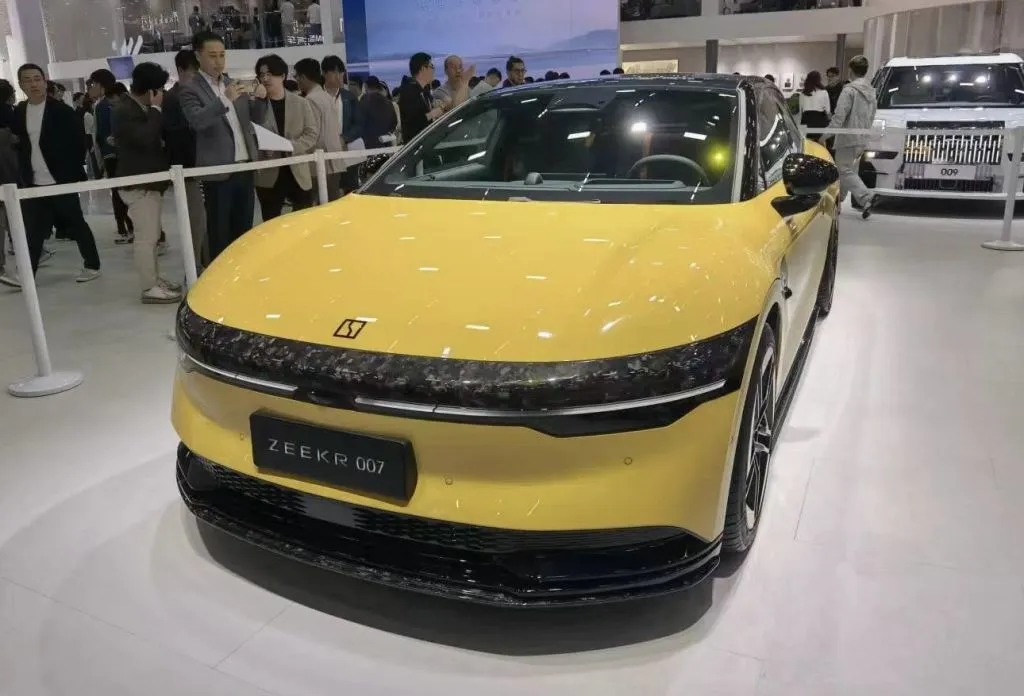
Specific manufacturers have reported varied performance in May, with some achieving notable sales increases while others struggled against market saturation in their core product lines. Leapmotor and Zeekr were among the best performers, hitting all-time highs again in monthly deliveries. By contrast, XPeng saw a 4.1% decline in sales, and Li Autos an 18.4% drop in sales year-on-year. This divergence highlights the importance of brand differentiation beyond just vehicle range or battery size.
The issue of overcapacity is intrinsically linked to rapid government incentives and investment surges that fueled production capacity expansion across numerous firms. Correcting this imbalance requires either a substantial slowdown in new factory commissioning or a significant shift in consumer preference toward higher-value models.
Looking forward, the trajectory of the Chinese EV market hinges on its ability to transition from a volume growth phase sustained by subsidies and aggressive discounting to a mature, profitable ecosystem. Sustained profitability will require firms to move up the value chain, focusing less on being the cheapest option and more on offering superior integrated technology.
Investors are closely monitoring how quickly manufacturers can rationalize production levels while maintaining their technological lead. The ability to manage this delicate balance between aggressive market capture and fiscal prudence will determine which companies solidify long-term dominance in what remains one of the world's most dynamic automotive sectors. For further details on these trends, readers can review the original report at this article.