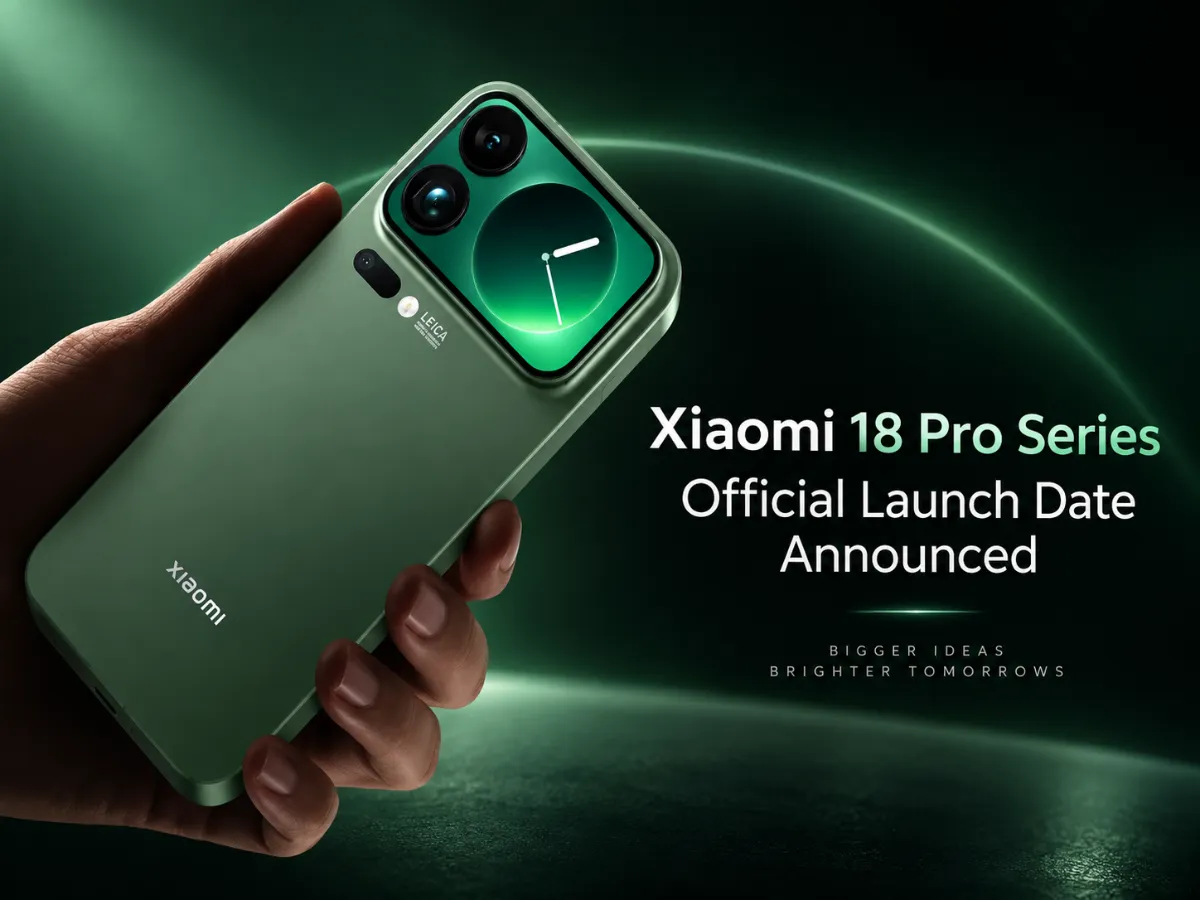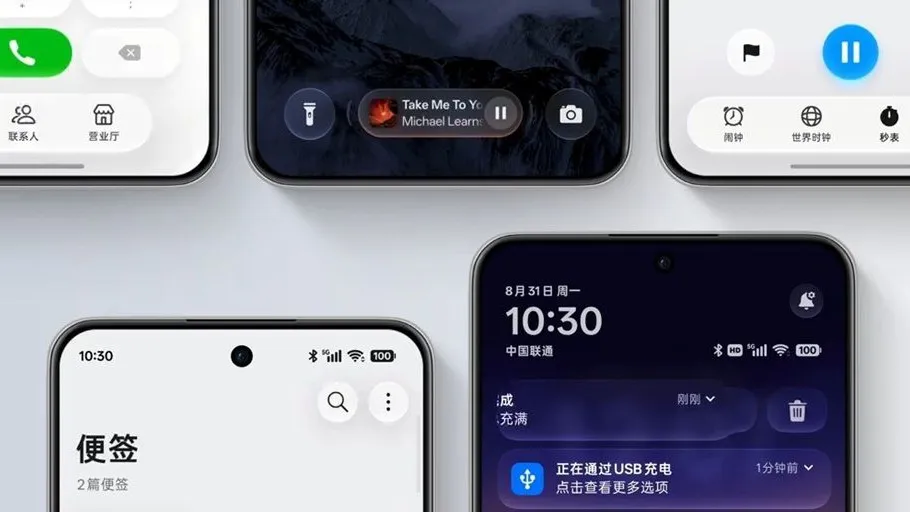
ColorOS 17 debuts with extensive AI integration and a redesigned user interface across key Xiaomi devices, signaling a significant evolution in the operating system’s capabilities.
The latest iteration of the Xiaomi ecosystem’s software suite introduces substantial enhancements focusing heavily on personalized artificial intelligence functions and visual refinement. This major update aims to elevate the user experience beyond mere aesthetic changes, embedding intelligence directly into daily device interactions. The overhaul addresses performance bottlenecks while introducing sophisticated features that leverage on-device processing power for quicker, more private operations.
Central to the new version is the deepened integration of generative AI, allowing users to interact with the phone in more nuanced ways than previous software versions allowed. Specific features mentioned include advanced smart assistants capable of synthesizing complex requests and proactive system optimization routines that learn user habits in real-time to manage background processes.
Designers focused on streamlining the visual language, resulting in a cleaner, more intuitive interface. The color palette adjustments and refined iconography aim to provide a less cluttered environment, prioritizing functional clarity over graphical density. Furthermore, performance benchmarks indicate that the underlying kernel optimizations in ColorOS 17 deliver measurable improvements in multitasking fluidity and application loading speeds across supported hardware.
Key Features and Functional Enhancements
The functional improvements in ColorOS 17 extend deeply into user productivity and media consumption. A notable addition involves enhanced photographic processing capabilities, where the AI assists in dynamic scene recognition, adjusting exposure and color profiles automatically before the shutter is even pressed. This automation reduces post-processing burden on the user while maintaining high-fidelity output.
Security protocols have also received a significant update, incorporating next-generation biometric authentication methods that are more resilient to spoofing. This addresses growing concerns regarding digital security in high-usage mobile environments. The system now manages permissions with finer granularity, allowing users to restrict specific application access to sensitive hardware components, such as the microphone or GPS, with unprecedented precision.
Battery management receives a critical overhaul. The operating system now employs predictive energy consumption modeling, meaning it attempts to anticipate peak usage periods and intelligently allocate power resources proactively, rather than reactively. This results in a more consistent battery life profile throughout a typical operational cycle, even under heavy load conditions.
The software also introduces advanced customization layers, moving beyond simple widget placement. Users can now script micro-routines that trigger complex sequences of actions based on specific environmental or time-based conditions, effectively turning the phone into a highly responsive personal automation hub.
Device Compatibility and Rollout Strategy
The deployment of ColorOS 17 is staggered, targeting specific hardware tiers to ensure optimal performance across diverse chipsets and memory configurations. The update is confirmed to be rolling out initially to the flagship series devices, which benefit most from the intensive AI processing requirements of the new features.
High-end models, typically those equipped with the latest generation processors, are designated as early adopters. These devices will receive the initial stable build, allowing for rigorous real-world testing before broader deployment. The manufacturer maintains a commitment to provide incremental stability patches alongside the feature rollout for these premium units.
Mid-range and budget-tier devices are slated to receive the update in subsequent waves. While these devices will benefit from the core UI refinements and essential performance optimizations, the most computationally demanding generative AI features may operate in a streamlined or cloud-assisted mode to conserve local processing overhead. Specific models confirmed for this update cycle include several devices within the Xiaomi and Redmi lines, though a definitive, exhaustive list is subject to regional rollout schedules.
The manufacturer has stressed that the update process prioritizes a phased release to mitigate potential system instability issues associated with such a large-scale operating system revision. Users are advised to maintain a stable internet connection and ensure their devices are adequately charged before initiating the installation of ColorOS 17.