Hangzhou-based Differential Robotics secured hundreds of millions of RMB in a Series A1 funding round, signaling significant investor confidence in its flying robot technology.
The capital infusion bolsters the startup's ambitions to scale its advanced aerial robotics platform, positioning it aggressively within China's rapidly evolving autonomous systems market.
Differential Robotics specializes in developing sophisticated flying robots capable of performing complex industrial and logistical tasks. This recent funding round provides crucial operational runway for further research, development, and commercial deployment of its proprietary hardware and software stack.
The company’s technology aims to address critical bottlenecks in traditional logistics and inspection sectors where aerial mobility offers superior efficiency over ground-based solutions. Investors appear focused on the tangible application potential of these flying machines across varied industrial landscapes.
Technological Focus and Market Penetration
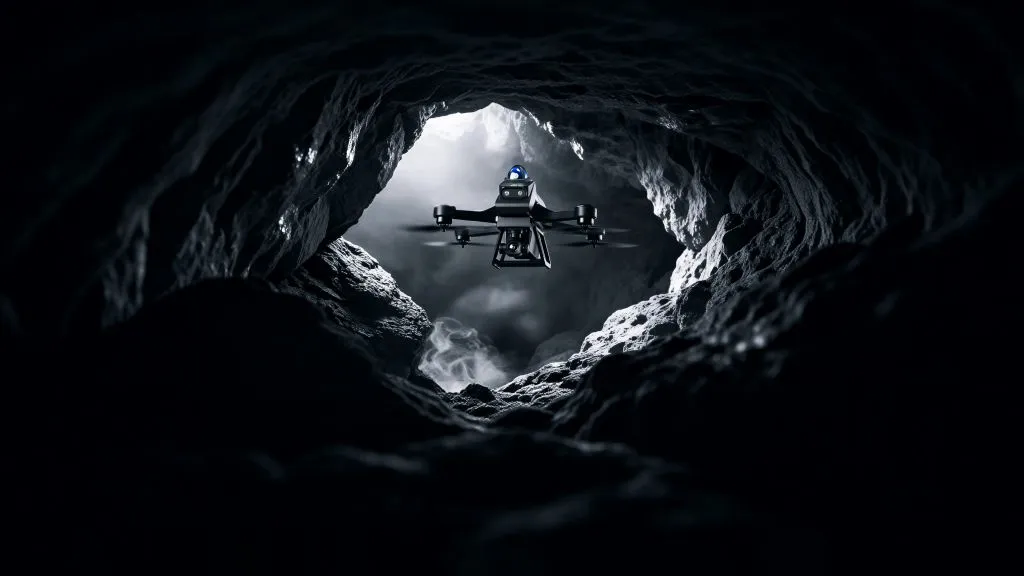
Central to Differential Robotics' offering is its advanced drone platform, which incorporates proprietary flight control systems designed for demanding operational environments. The company has been focusing heavily on improving payload capacity while simultaneously optimizing energy efficiency—a key challenge in commercializing heavy-duty aerial robotics.
The Series A1 investment validates the market appetite for specialized, high-end unmanned aerial vehicles (UAVs) that move beyond simple surveillance or delivery roles. Instead, Differential Robotics is targeting integration into core industrial workflows, such as infrastructure inspection, precision agriculture monitoring, and complex site surveying.
While specific details regarding the total funding amount were not universally detailed in initial reports, the investment size places the company among high-growth hardware innovators within the Chinese tech ecosystem. This capital injection facilitates the expansion of their engineering teams and accelerates the transition from prototype validation to large-scale commercial piloting.
The strategic importance of this funding lies in its ability to rapidly iterate on the P300 series, which represents some of the company's flagship flying robot designs. Continuous refinement of these machines is necessary to meet stringent industrial safety and operational uptime requirements demanded by enterprise clients.
Strategic Implications for China's Robotics Sector
Differential Robotics’ success reflects a broader national push in China toward achieving self-sufficiency and global leadership in advanced manufacturing and robotics. The government heavily incentivizes domestic firms capable of developing cutting-edge, vertically integrated technologies like autonomous flight systems.
The Series A1 funding is not merely capital; it represents validation from venture capital entities that recognize the strategic value of indigenous aerospace and AI integration. This ecosystem support allows startups to compete more effectively against established international players in robotics hardware.
Future deployment strategies for Differential Robotics are expected to involve partnerships with major industrial conglomerates seeking to digitize their operations. Successful implementation of their flying robots could set new benchmarks for operational efficiency across sectors currently reliant on manual or less sophisticated automated methods.