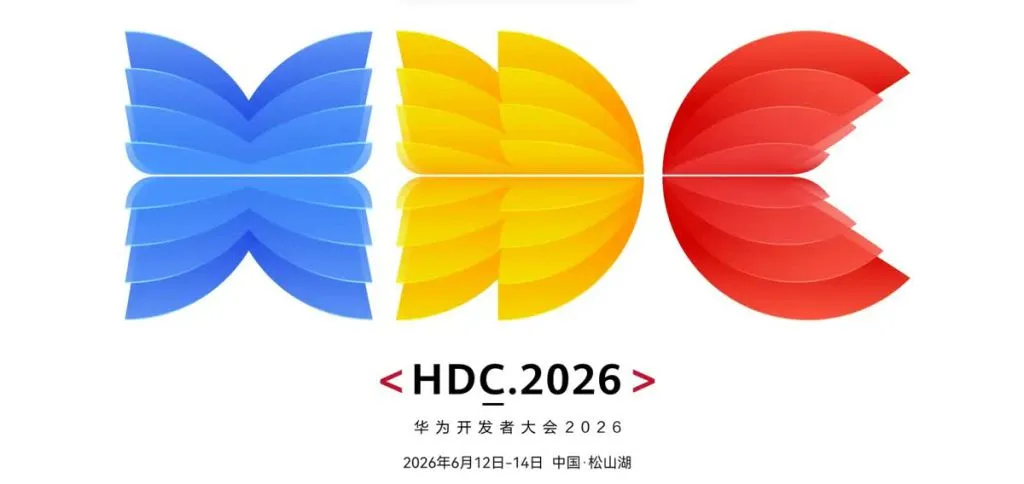
Huawei confirmed HarmonyOS 7 will debut at the HDC 2026 event in June, signaling a major strategic push toward deeper artificial intelligence integration within its operating system.
The highly anticipated software update is slated for presentation during Huawei Device Conference (HDC) 2026, scheduled to run from June 12 through June 14. This unveiling represents the next significant iteration in Huawei’s efforts to solidify HarmonyOS as a comprehensive ecosystem platform capable of competing directly with established global operating systems.
Sources indicate that HarmonyOS 7 will feature substantial enhancements centered on AI capabilities, moving beyond basic smart features toward deeply embedded, proactive intelligence across all device interactions. The development roadmap suggests an accelerated focus on making the system more adaptive and context-aware for end-users.
AI Integration and Ecosystem Expansion
The core narrative surrounding HarmonyOS 7 centers on its artificial intelligence architecture. Huawei has been heavily investing in integrating advanced AI models directly into the OS kernel, allowing applications to leverage powerful computational resources natively rather than relying solely on cloud processing for every function. This shift promises improved latency and enhanced privacy for users.
While specific feature sets remain under wraps prior to the June event, industry analysts anticipate significant overhauls to multitasking environments and cross-device continuity features. HarmonyOS's strength lies in its ability to seamlessly connect disparate devices—phones, wearables, tablets, and IoT endpoints—and AI integration is the mechanism intended to make this connectivity genuinely intelligent.
The HDC 2026 platform serves as Huawei’s primary vehicle for demonstrating technological leaps. Past events have showcased hardware innovations alongside software maturation, and the confirmation of HarmonyOS 7 places the operating system squarely at the center of this strategic presentation. The company intends to showcase how its proprietary AI infrastructure powers a holistic user experience.
Furthermore, the rollout of a new major OS version often coincides with updates to the underlying hardware support structure. Huawei is expected to demonstrate optimized performance benchmarks across its latest device lines when paired with HarmonyOS 7, highlighting efficiency gains derived from the integrated AI processing units.
Strategic Implications for Global Competition
The progression to HarmonyOS 7 signals Huawei's sustained commitment to building a closed, yet interoperable, technological ecosystem independent of Western dependency chains. The focus on domestic innovation, particularly in AI and chip design, aligns with broader geopolitical technology trends impacting global mobile markets.
For enterprise adoption, the enhancements in HarmonyOS 7 are viewed as critical differentiators. Improved security protocols, powered by localized AI analysis, address increasing corporate concerns regarding data sovereignty and platform vulnerabilities. This positions HarmonyOS not just as a consumer OS but as a viable solution for sophisticated business environments.
The timing of the HDC announcement is strategically significant; it provides Huawei with ample runway to market the new features globally following the June event. Success in presenting a truly transformative AI-driven OS will bolster its standing against rivals who rely on more modular, service-oriented approaches to mobile intelligence.
Further details regarding the HDC 2026 announcement suggest a comprehensive overhaul of user interaction paradigms, driven fundamentally by advanced machine learning models baked into HarmonyOS 7.
Huawei Central reinforces the expectation that AI will be the defining characteristic of this new operating system release.