🎙 Listen to a summary of this story
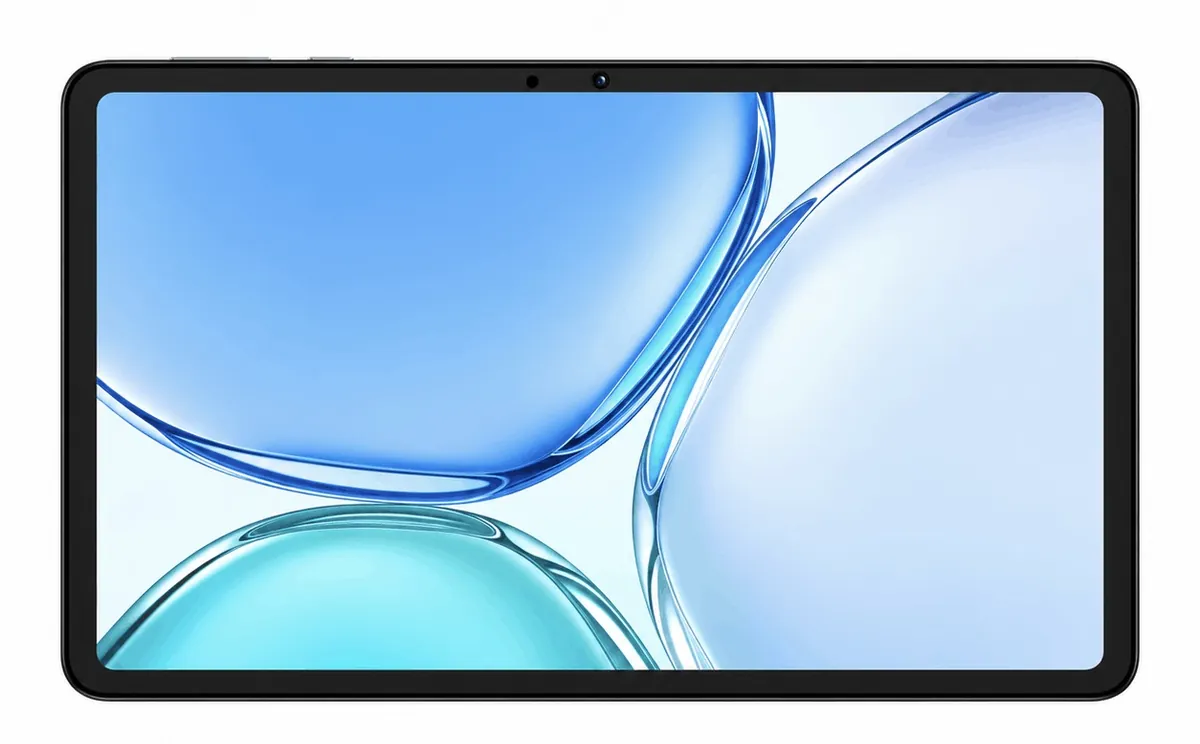
Honor has officially launched the Honor Pad X10 Mini, establishing a strong contender in the highly competitive budget tablet segment with its refined display and substantial battery capacity.
The device introduces a 9.7-inch screen boasting a smooth 90Hz refresh rate, targeting users who demand visual fluidity without incurring premium pricing. This launch positions Honor to aggressively challenge established players by optimizing core hardware specifications for mainstream consumption.
Crucially, the inclusion of an 8000mAh battery signals a commitment to endurance, addressing one of the most common pain points reported by consumers using mid-range mobile devices in the current market climate. The strategic combination of display quality and longevity defines this tablet’s immediate value proposition.
Technical Deep Dive into the Pad X10 Mini
Under the hood, the Honor Pad X10 Mini integrates processing power adequate for daily multitasking and media consumption, though specific chipset details are positioned within the context of efficiency. The device operates on a design philosophy prioritizing battery life alongside screen responsiveness.
The 9.7-inch display is central to its appeal; the 90Hz refresh rate provides noticeably smoother scrolling and visual transitions compared to standard 60Hz panels, enhancing the overall user experience for both content viewing and casual gaming sessions. Furthermore, the build quality maintains a characteristic sense of refinement expected from the Honor brand.
Regarding software, the tablet runs on an optimized version of MagicOS, ensuring a tailored experience that integrates well with the broader Honor ecosystem. The robust 8000mAh power cell is engineered to support extended usage periods, making it suitable for students or remote workers who rely heavily on their mobile workstation throughout the day.
Market Positioning and Industry Implications
The introduction of the Pad X10 Mini reflects a broader industry trend where manufacturers are converging high-end display features—like high refresh rates—into lower price brackets to capture market share. This downward pressure on premium feature costs benefits the end consumer significantly.
Geopolitically, this move reinforces Honor's strategy of securing a foothold in global tablet markets outside its traditional core territories. By offering competitive specifications at an accessible price point, the company is mitigating reliance solely on higher-tier flagship sales.
Analysts view this entry as a direct maneuver against established budget offerings, forcing competitors to reassess their own battery density and display performance metrics in comparable form factors. The success of the Pad X10 Mini will serve as a benchmark for accessible premium tablet hardware going forward.