🎙 Listen to a summary of this story
Huawei has formally contested the findings of US court proceedings, asserting that the underlying verdict lacks verifiable factual basis and misrepresents the company's operational conduct. This robust defense challenges the legal premise of the charges brought against the global technology giant, signaling an escalation in the protracted techno-legal skirmish between Beijing and Washington. The company argues that the prosecution failed to establish the requisite evidentiary standard, placing the judicial determination itself under severe factual scrutiny.
A federal jury in Brooklyn, New York, found the Chinese tech giant and three of its subsidiaries guilty on 10 out of 12 criminal counts on Tuesday, including conspiracy to steal trade secrets, bank fraud, wire fraud, money laundering conspiracy, and violations of U.S. sanctions involving Iran and North Korea. It was acquited of more serious charges of being a criminal organisation, but the verdict marks a new low between the company's relations with US authorities.
The defense strategy pivots on a detailed rebuttal of the evidence presented by US authorities, aiming to dismantle the narrative that Huawei engaged in systemic intellectual property theft or espionage as alleged. This legal pushback is not merely a procedural defense; it represents a direct challenge to the extraterritorial application of US legal mandates within the global telecommunications landscape, setting a precedent for how foreign technology firms navigate American jurisdiction.
The implications of this defense are significant for international trade stability. Should Huawei successfully undermine the factual basis of the charges, it could weaken the perceived legitimacy of the US actions against Huawei and, by extension, influence regulatory approaches toward other Chinese technology conglomerates operating in Western markets.
Commercial and Operational Context
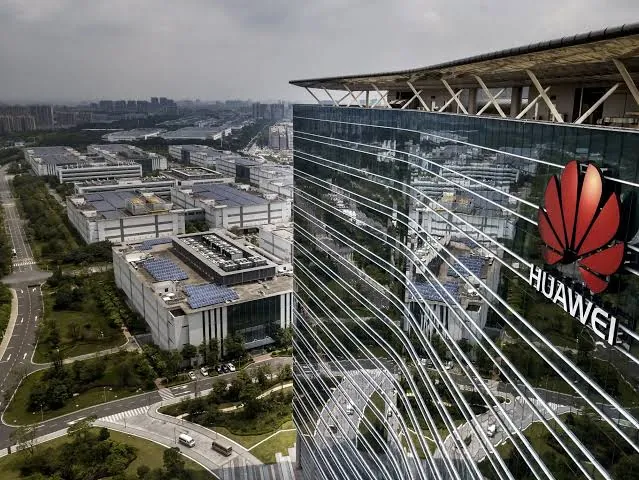
The dispute is inextricably linked to the complex commercial dynamics surrounding Huawei's advanced 5G infrastructure deployment. Despite the ongoing legal pressures, Huawei maintains a substantial global footprint, providing critical networking equipment to major carriers worldwide. The company's technological prowess, particularly in advanced chip design and network architecture, remains central to global digital transformation efforts.
Technically, Huawei’s defense often touches upon the nature of the technology itself. The firm emphasizes the independent development of its core software and hardware stacks, contrasting this with the allegations of reverse engineering or unauthorized access. This technical assertion is crucial, as it attempts to shift the focus from corporate malfeasance to technological parity and independent innovation.
Furthermore, the commercial ramifications extend beyond the courtroom. The ongoing restrictions imposed by US entities have forced Huawei to rapidly diversify its supply chain and accelerate internal R&D, creating a parallel technological ecosystem designed to mitigate geopolitical risk while maintaining market competitiveness in high-demand sectors like AI and cloud computing.
Geopolitical and Market Implications
This legal battle serves as a microcosm of the broader strategic decoupling occurring between the United States and China in high-technology sectors. The charges transcend specific corporate infractions; they symbolize a deeper geopolitical contest over technological supremacy and data governance standards.
Market analysts view this confrontation as a stress test for global technological resilience. The reliance of Western economies on Chinese hardware, coupled with US efforts to mandate 'de-risking,' creates a volatile environment where legal challenges directly translate into market access restrictions.
Ultimately, the outcome of Huawei’s defense will inform the future trajectory of global tech governance. A successful defense strengthens the argument for sovereign corporate autonomy against unilateral state-imposed legal actions, while a continued judicial victory reinforces the US government's capacity to enforce its technological standards internationally.