Huawei plans a major expansion of dual-layer OLED technology across its entire hardware ecosystem, extending high-end display quality from smartphones into tablets and PCs.
The change signals Huawei’s intensified focus on optimizing user experience through advanced display architecture. By integrating dual-layer organic light-emitting diode (OLED) panels, the company aims to achieve superior visual performance metrics across multiple product lines, challenging established industry standards for mobile and computing displays.
This move represents more than a component upgrade; it is a fundamental restructuring of Huawei's display strategy. Dual-layer OLED technology provides enhanced control over luminance and color depth that single-layer implementations cannot match, allowing the company to differentiate its hardware portfolio based on visual fidelity and operational efficiency.
Technological Advancements in Display Architecture
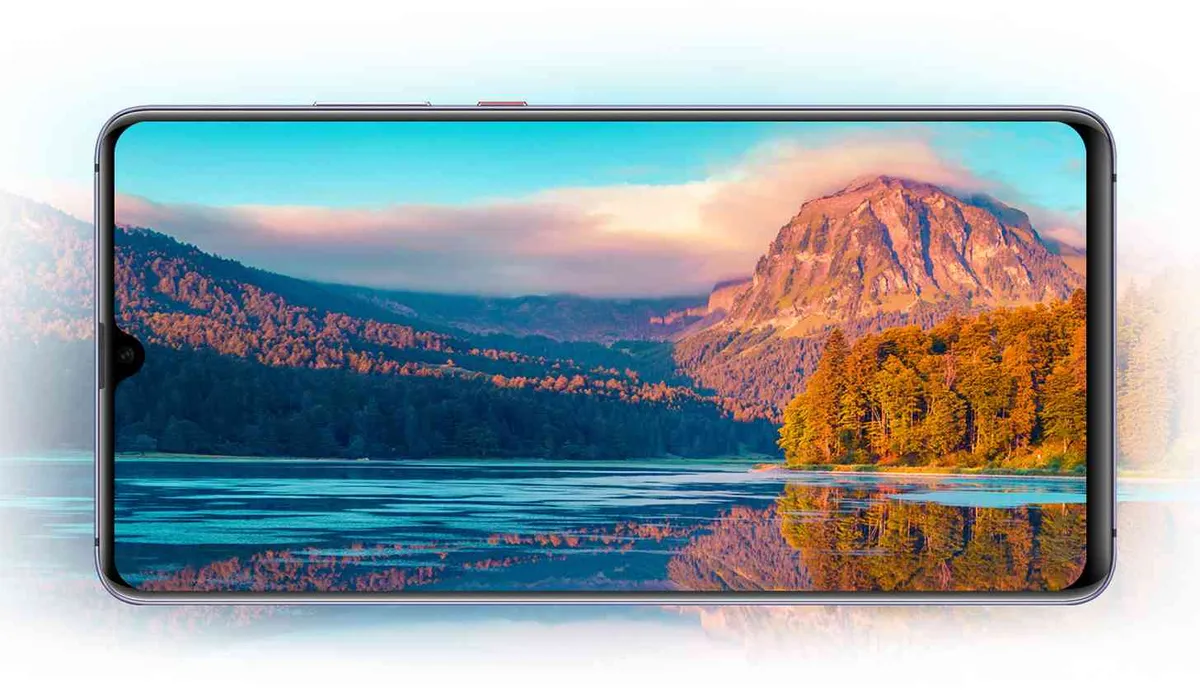
The core advantage of dual-layer OLED lies in its ability to manage light emission and color reproduction with greater precision. Unlike standard displays, which may exhibit limitations in contrast ratios or viewing angles under certain conditions, the double-layered structure allows for more nuanced control over pixel response time and energy consumption.
For consumers, this translates directly into noticeably deeper blacks, significantly higher contrast ratios, and a wider, more accurate color gamut. This level of visual refinement is particularly critical for demanding applications, such as professional photo editing on tablets or consuming high-resolution media on portable computers.
The research emphasizes that the expansion across different form factors—from compact phones to large PC screens—ensures a consistent and premium viewing experience regardless of the device used. This holistic approach suggests an effort to create a cohesive 'Huawei ecosystem' where display quality is a unifying standard.
Implementation Across Multiple Product Lines
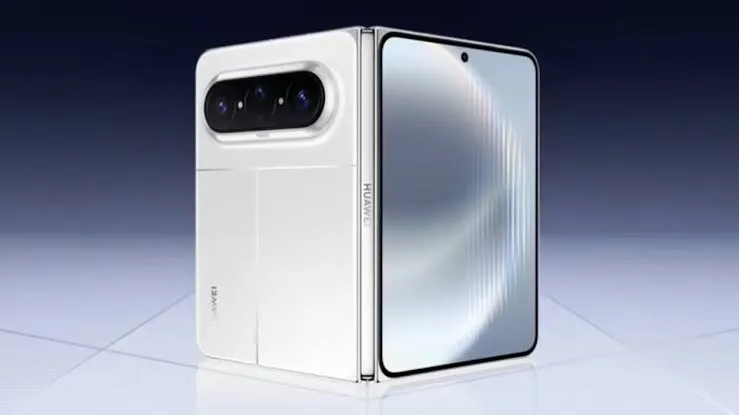
While OLED technology has long been prevalent in Huawei’s flagship smartphones, the explicit extension into tablets and PCs marks a strategic broadening of its application. This diversification underscores the company's commitment to maintaining market relevance in the increasingly competitive computing sector.
By adopting dual-layer panels for PC monitors and tablet screens, Huawei is targeting users who require extreme visual reliability and color accuracy—a common pain point in portable productivity devices. The integration aims to solidify the brand’s reputation not just as a mobile leader, but as a comprehensive provider of high-quality computing tools.
Industry analysts suggest that this aggressive adoption cycle points toward Huawei's efforts to capture greater market share by offering unparalleled display specifications at various price points. The focus is clearly on premiumization through technological superiority, making the visual output itself a primary selling point for future hardware cycles.
The successful rollout of dual-layer OLED across such varied product lines necessitates robust supply chain management and rigorous quality control, positioning Huawei to set new benchmarks in display engineering within the global technology market. Further details regarding specific model launch dates are expected as production ramps up following this strategic announcement.