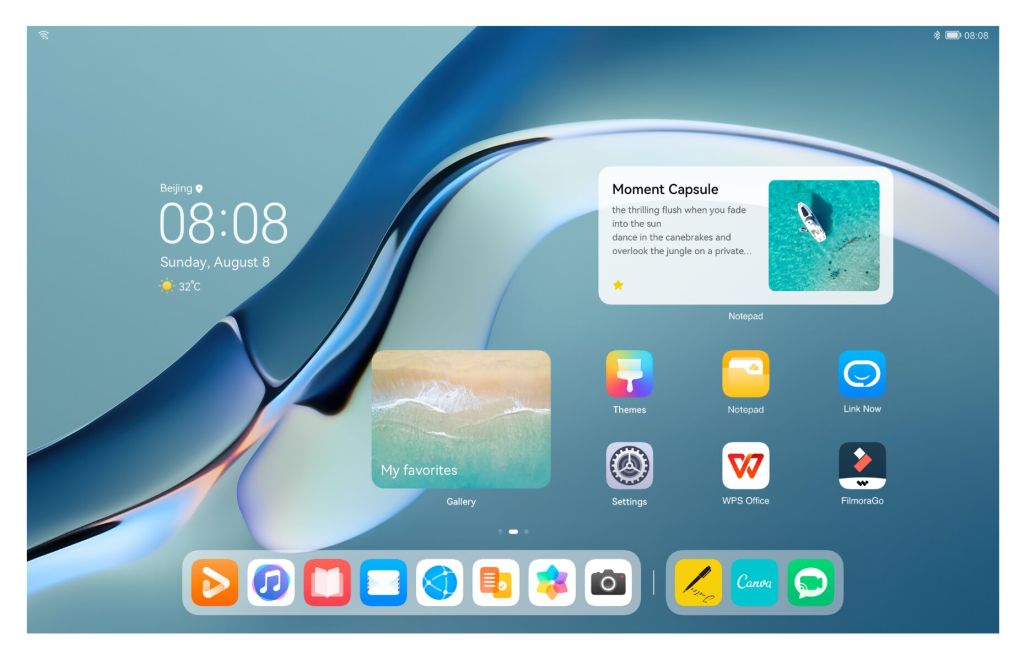
HarmonyOS ecosystem tops 1.3 billion devices
Huawei said its HarmonyOS device ecosystem has surpassed 1.3 billion units, a milestone that underscores the Chinese technology company’s push to build a self-reliant software platform across phones, computers, vehicles and industrial systems.
The figure, announced Friday during Huawei’s HDC 2026 developer conference, refers to devices in the HarmonyOS ecosystem rather than confirmed product sales. Huawei Central reported that Richard Yu, chairman of Huawei’s consumer business group, disclosed the total as the company introduced HarmonyOS 7.0 in beta form for developers.
HarmonyOS began as Huawei’s answer to tightening U.S. export controls that limited the company’s access to key American technologies, including Google services on smartphones. Since then, Huawei has worked to turn the operating system into a broader platform spanning consumer electronics and commercial infrastructure.
The company says HarmonyOS now runs across smartphones, tablets, PCs, vehicles, data centers and smart home appliances. Huawei also highlighted industry-specific versions, including systems for electricity, water, industrial uses and mobile devices, suggesting the platform is being positioned not only as a phone operating system but as a foundation for connected industries.
The 1.3 billion-unit total gives Huawei a large headline number at a time when software ecosystems have become central to competition among global technology companies. Apple, Google and Microsoft have long used operating systems and developer communities to lock in users, attract app makers and extend services across devices. Huawei is attempting a similar strategy under far more geopolitical pressure.
Huawei pushes beyond phones
Huawei Central reported that the open-source HarmonyOS project includes more than 13,000 code contributors, more than 140 million lines of code and more than 3,200 ecosystem partners. Those numbers point to Huawei’s effort to persuade developers, hardware makers and industry customers that HarmonyOS can support a broad commercial market.
The company’s challenge is converting scale into sustained demand. The reported 1.3 billion devices may include a wide range of products and deployments, and Huawei did not provide a detailed breakdown by category, region or active users. Without that detail, the figure is best understood as an ecosystem measure rather than a direct count of new sales.
Still, the announcement shows how far Huawei has moved since U.S. restrictions battered its global smartphone business. The company has increasingly emphasized domestic technology, its own chips where possible, and software that can reduce dependence on foreign platforms.
The next test will be whether HarmonyOS can expand outside China. Huawei has indicated ambitions for global growth, but international adoption will depend on developer support, device availability, regulatory conditions and whether consumers and businesses see enough value to switch or add another platform.
For now, the milestone gives Huawei a strong talking point: HarmonyOS is no longer a niche replacement system. It has become a major part of Huawei’s long-term strategy to connect devices, industries and services under one software ecosystem.