Huawei is accelerating user-friendliness enhancements to HarmonyOS as the HDC26 event approaches, signaling a major push toward mainstream market adoption.
HarmonyOS Development Focus
The company confirmed that significant work is underway to improve the overall usability and experience of its proprietary operating system. This strategic focus on user interface refinement directly addresses historical friction points that have sometimes hindered HarmonyOS's broader acceptance outside of Huawei’s ecosystem.
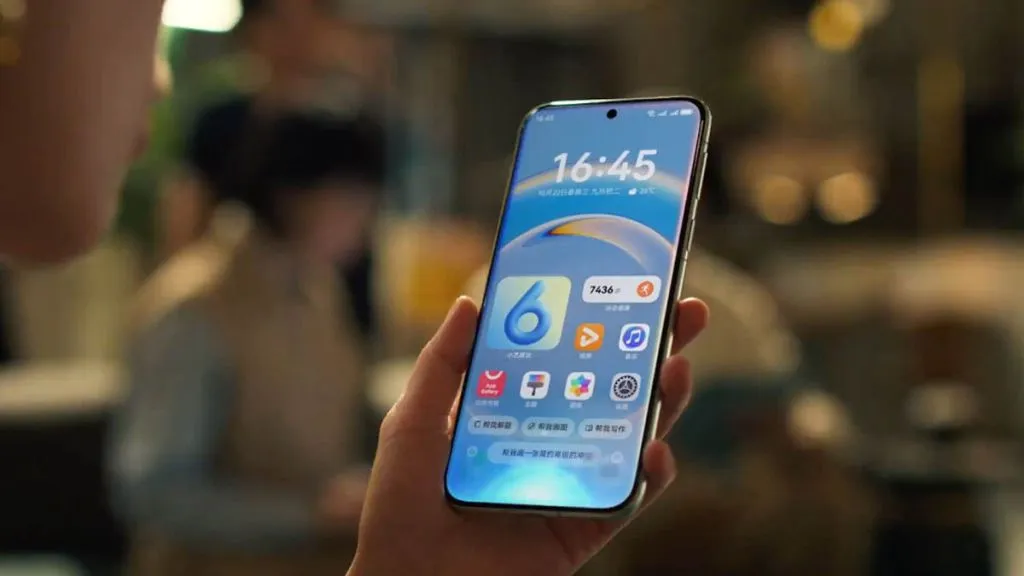
According to reporting, Huawei intends to streamline complex functionalities and enhance intuitive navigation across various devices running the OS. The objective is not merely incremental improvement but a substantial elevation of the user experience parity with established industry leaders. This effort suggests a calculated move to broaden HarmonyOS's appeal among less technically sophisticated consumer bases.
The development cycle appears to be tightly coupled with upcoming industry showcases, specifically HDC26. Leveraging these high-visibility platforms allows Huawei to demonstrate tangible improvements directly to global partners and the press. This public unveiling serves as a crucial validation point for their ongoing R&D investments in the OS.
The underlying philosophy driving these changes centers on making HarmonyOS feel native and effortless, regardless of whether it is running on a smartphone, tablet, or smart appliance. The architecture itself supports multi-device connectivity—a core strength—but usability enhancements are required to make that interconnectedness seamless for the end-user.
Market Implications
The intensified focus on user experience prior to a major industry event carries significant strategic weight for Huawei. It signals an aggressive posture in the domestic and international markets, particularly as supply chain pressures continue to reshape the global technology landscape.
A more polished and accessible HarmonyOS directly strengthens the value proposition of Huawei's hardware lineup. If the OS can be marketed successfully on its intuitive nature alone, it mitigates some reliance on third-party app availability, which remains a perennial talking point in discussions surrounding Huawei devices.
Analysts suggest that successful execution of these usability upgrades will be pivotal to HarmonyOS achieving critical mass among consumers who prioritize ease of use over raw feature sets. The company is betting that superior foundational experience can outweigh temporary concerns regarding application ecosystem depth for a large segment of users.
Furthermore, the maturation of HarmonyOS into a genuinely user-centric platform positions it as a viable alternative in an increasingly fragmented smartphone and IoT market. The drive toward simplicity aligns with broader consumer trends favoring integrated, less complicated digital interactions.
Huawei’s proactive stance ahead of HDC26 underscores its commitment to positioning HarmonyOS not merely as an internal operating system for its own devices, but as a competitive platform ready for wider external integration and adoption. The success of these usability improvements will define the next phase of Huawei's mobile strategy.