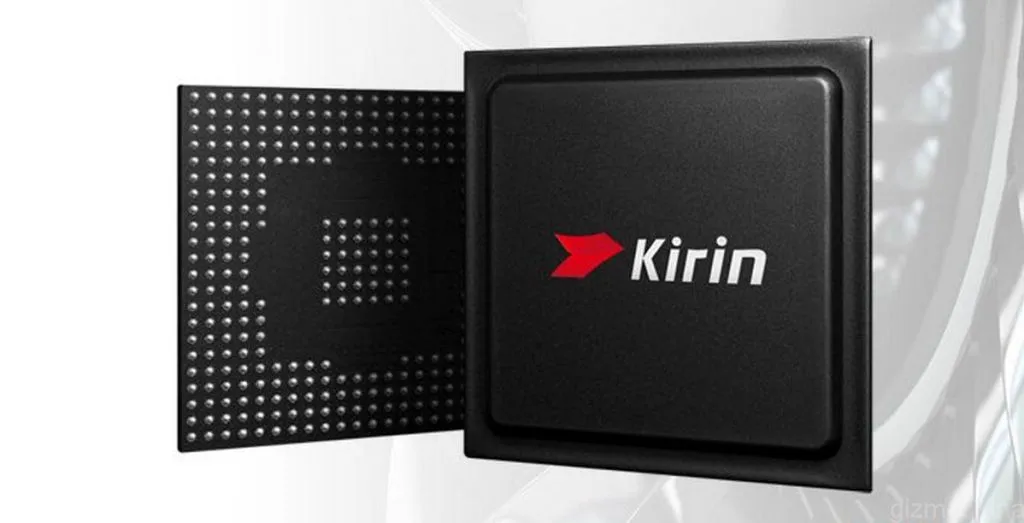
Huawei's Kirin 9050 chipset is reported to surpass Apple's A18 processor, marking a significant technological resurgence for the Chinese giant and signaling increased domestic competition in high-end mobile silicon.
Kirin 9050 Performance Benchmarks
The new Kirin 9050 unit is slated for integration into Huawei's upcoming Mate 90 flagship device this fall. This performance leap positions Huawei directly against Apple's latest flagship silicon, suggesting a substantial improvement in core processing capabilities and efficiency metrics over previous generations of Kirin processors.
While specific technical specifications remain under wraps pending official launch details, the assertion that it exceeds the A18 suggests advancements across multiple architectural domains, likely including CPU performance, GPU rendering capacity, and Neural Processing Unit (NPU) efficiency for advanced AI tasks.
The development of this chipset is strategically crucial for Huawei's recovery in the global smartphone market, particularly given ongoing geopolitical pressures that have restricted access to cutting-edge external semiconductor components.
By achieving parity or superiority over Apple’s flagship chip—a benchmark traditionally considered near-unassailable in the mobile sector—Huawei demonstrates significant progress in its internal design and fabrication capabilities, leveraging advanced process nodes.
Implications for Mobile Hardware
The introduction of the Kirin 9050 into the Mate 90 is not merely a product refresh; it represents a pivotal moment in the global semiconductor landscape. It directly challenges the long-standing dominance of ARM-based designs, particularly those optimized by Apple’s proprietary silicon team.
If validated upon release, this achievement underscores the growing maturity and competitiveness of domestic Chinese semiconductor design houses. It provides Huawei with a powerful, self-reliant core technology that is insulated from external supply chain vulnerabilities.
Industry analysts view this development as a critical indicator of China’s broader ambitions in achieving technological sovereignty across high-value manufacturing sectors. The ability to compete at the highest echelon of mobile performance dictates market positioning and premium pricing power.
The integration into the Mate 90 suggests that Huawei is prioritizing raw computational power alongside traditional features, aiming for a device that sets new benchmarks not just locally, but internationally within the high-end Android ecosystem.
This move forces competitors who rely on established external chip suppliers to reassess their own roadmaps and internal R&D investments. A Kirin 9050 surpassing the A18 recalibrates the competitive calculus for premium smartphones heading into the latter half of the year.