
🎙 Listen to a summary of this story
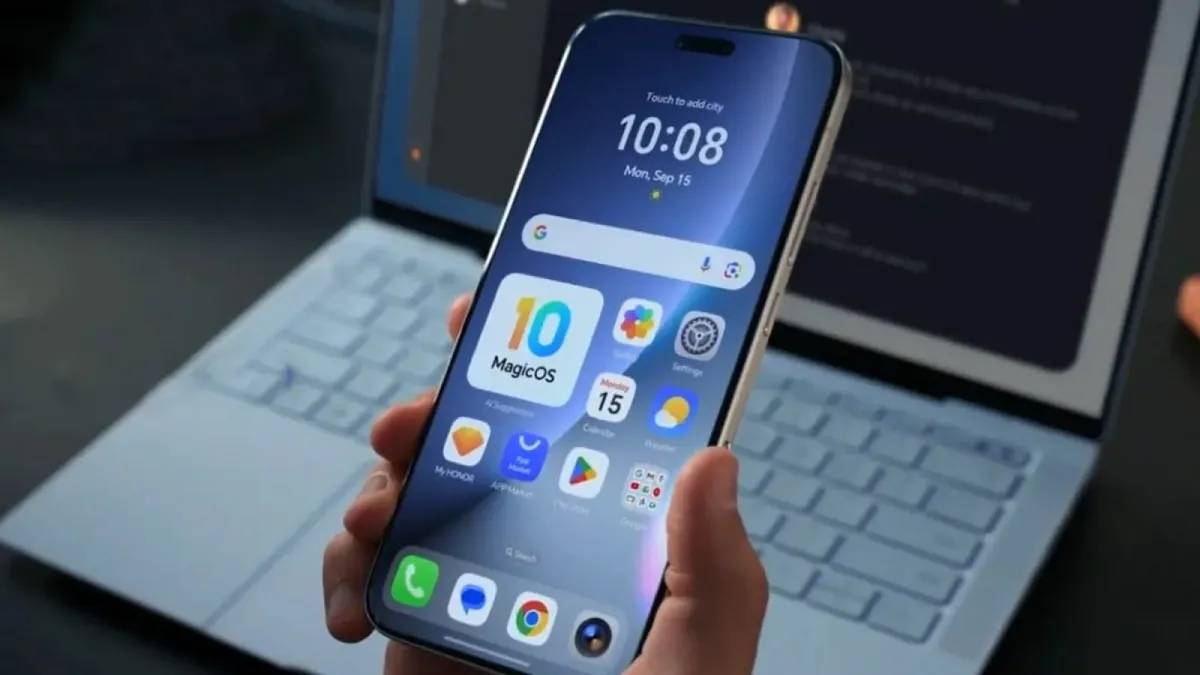
Huawei is deploying a significant MagicOS update on September 10, 2026, introducing advanced calendar functionalities designed to enhance user scheduling and productivity across its ecosystem.
New Calendar Capabilities Elevate User Experience
The forthcoming operating system release focuses heavily on refining time management tools within the native applications. Key among these additions are sophisticated scheduling assistants that utilize predictive analytics to optimize daily routines.
Users will gain access to an integrated 'Smart Scheduling' feature, which automatically suggests optimal meeting times based on existing commitments and user-defined priority levels. This automation aims to minimize scheduling conflicts inherent in complex professional environments.
Furthermore, the update introduces enhanced event management capabilities. Users can now attach dynamic reminders that trigger not just at a set time, but also based on location proximity or connectivity status, providing contextually relevant alerts throughout the day.
Security protocols surrounding calendar data have also seen substantial upgrades. Huawei has implemented end-to-end encryption for all stored event details, addressing growing user concerns regarding personal data privacy within connected smart devices.
The integration across Huawei's hardware and software suite is a central theme of this update. The new calendar features are designed to synchronize seamlessly with other MagicOS applications, such as the communication suite and task managers, creating a unified productivity hub for users.
System Enhancements Beyond Scheduling
While the calendar overhaul represents a major feature deployment, the September 10th patch contains several underlying system optimizations. These improvements target overall device performance and responsiveness under heavy load.
The operating system kernel has received refinements leading to improved battery efficiency, particularly when utilizing background services like continuous location tracking necessary for advanced scheduling features. This addresses a persistent point of feedback from power-conscious users.
Interface design elements also underwent subtle but meaningful revisions. The visual overhaul of the calendar interface prioritizes data density without sacrificing legibility, employing updated iconography and color palettes aligned with Huawei’s latest design language guidelines.
For enterprise users, the update includes enhanced support for collaborative scheduling within shared corporate environments. This allows multiple authorized participants to view and modify group calendars simultaneously through a streamlined permission structure.
Huawei emphasizes that this release is part of an ongoing commitment to making MagicOS a highly intelligent and adaptive operating environment. The integration of AI into core utilities, exemplified by the new calendar tools, signals a strategic push toward deeper platform intelligence rather than mere feature addition.
The update will roll out progressively starting on September 10, 2026. Users are advised to ensure their devices have stable network connectivity for the successful download and implementation of these advanced scheduling features.