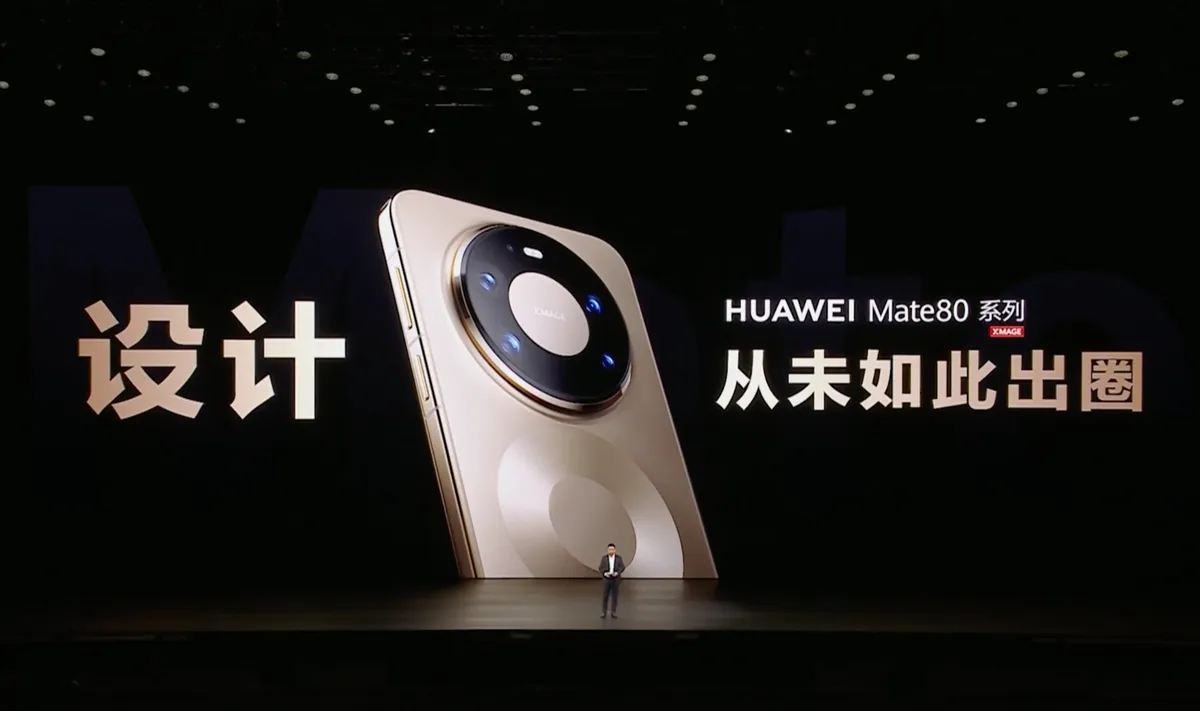
Huawei's upcoming Mate 80 Air is strongly anticipated to integrate the next-generation Kirin 9030 series chipset, signaling a continued internal push for advanced silicon design.
Kirin 9030 Series Anticipation and Performance Implications
Industry speculation indicates that this new Kirin processor will represent a significant evolutionary leap in Huawei's proprietary semiconductor roadmap. The rumor suggests the chip architecture is poised to enhance processing efficiency substantially compared to preceding models, positioning the Mate 80 Air at the forefront of Huawei's high-end mobile offerings.
The adoption of the Kirin 9030 series implies a concerted effort by Huawei to maintain technological sovereignty in areas where reliance on external suppliers has posed strategic risks. These custom System-on-Chips (SoCs) are central to maintaining the brand's premium market standing, particularly as global supply chain dynamics continue to shift.
Specific details surrounding the Kirin 9030 remain scarce, but analysts suggest focus areas will include substantial improvements in computational photography capabilities and enhanced AI processing power. These features are critical differentiators in the competitive flagship smartphone segment, where hardware innovation drives consumer preference.
The integration of this advanced silicon is expected to directly translate into tangible user benefits, including faster application loading times, more stable performance under heavy load, and improved energy management throughout the device's operational cycle. This focus on holistic system optimization characterizes Huawei’s current hardware development philosophy.
Design Integration and Market Positioning
The Mate 80 Air itself is expected to embody a refined design aesthetic while housing this potent new processing core. The strategic choice of the Kirin 9030 suggests that Huawei views the device not merely as an iterative update, but as a platform showcasing its latest integrated technological achievements.
Market observers anticipate that the Mate 80 Air will be aggressively positioned against established global flagships. Its success hinges on how effectively the efficiency gains from the Kirin 9030 are married to a compelling user experience and refined industrial design.
Furthermore, the availability of this new chipset is intrinsically linked to Huawei's broader recovery strategy within international markets. Demonstrating robust in-house chip capabilities like the Kirin series mitigates external dependency pressures, which remains a persistent operational challenge for the company.
Ultimately, the deployment of the Kirin 9030 in the Mate 80 Air represents a critical inflection point: the tangible manifestation of years of intensive investment in domestic semiconductor R&D, aimed at securing technological leadership in the premium smartphone space.