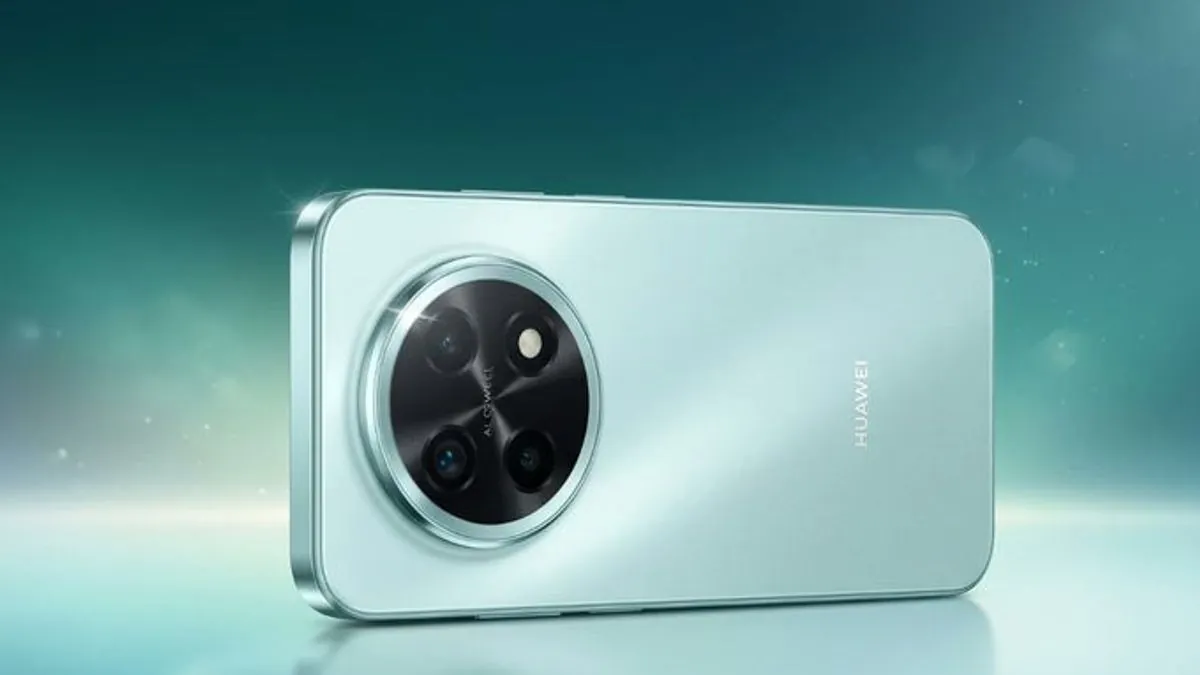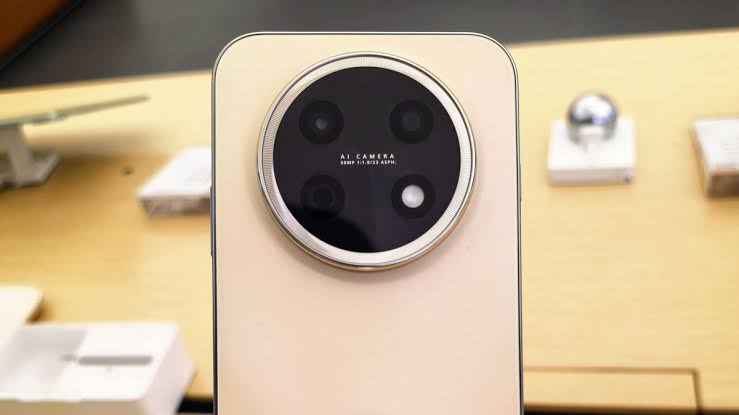
A next-generation 6.6-inch Huawei Mate smartphone is anticipated to launch in the first half of 2027, signaling continued evolution within Huawei's flagship mobile line, the Mate 90 series.
Anticipated Hardware and Market Positioning
Industry speculation surrounding the upcoming device suggests a significant refinement of existing Mate series design philosophies while integrating cutting-edge componentry available in the near future. While official specifications remain unconfirmed by Huawei, market analysts project that this iteration will maintain its focus on premium build quality and advanced imaging capabilities.
The reported 6.6-inch display size aligns with current high-end smartphone trends, providing a substantial visual experience for media consumption and productivity tasks. The strategic timing of an H1 2027 debut places the device in a competitive window against anticipated releases from rivals who are also pushing hardware boundaries.
Sources tracking Huawei's development pipeline indicate that technological advancements in semiconductor efficiency and camera sensor technology will be central to this new Mate model. Consumers can expect improvements in processing power, battery endurance, and photographic versatility, hallmarks of the Mate series tradition.
The positioning of this device is crucial for Huawei as it seeks to solidify its standing in global premium smartphone segments following recent geopolitical and supply chain pressures. A successful launch would underscore the brand's sustained commitment to innovation despite external market turbulence.
Strategic Implications for Huawei's Future Trajectory
The introduction of a new Mate device is not merely a product refresh; it represents a strategic move in maintaining ecosystem relevance. The Mate line has historically served as Huawei’s primary showcase for proprietary technology integration, including advancements in camera systems and user interface optimization.
Analysts suggest that the 2027 model will likely incorporate enhanced features related to AI processing capabilities, moving beyond simple computational photography into more sophisticated on-device intelligence. This emphasis on localized AI execution is a growing industry standard for high-end mobile devices.
Furthermore, the performance metrics expected from this handset indicate an effort to reclaim market share in regions where Huawei has historically faced constraints. A flagship device debuting with superior specifications can effectively reset consumer expectations for the brand's capabilities.
The anticipated launch window allows Huawei ample time for rigorous testing and optimization of its software-hardware integration, a critical factor for maintaining the perceived quality of its premium offerings. Interested parties are advised to monitor official channels as concrete details regarding chipset selection, camera hardware, and final pricing emerge closer to the projected debut date.