🎙 Listen to a summary of this story
Huawei has launched the Nova 16 SE, featuring an unprecedented 8500mAh battery capacity designed for extreme mobile endurance.
The newly released device is positioned to challenge established market leaders by prioritizing raw power and sustained operational uptime. Available during a promotional sale window, the smartphone integrates high-capacity power management with refined hardware components, making extended usage a primary selling point. Industry analysts note that such large battery capacity is becoming crucial in an increasingly demanding mobile ecosystem where users expect multi-day performance from single charges.
The core strategic significance of the Nova 16 SE lies in its deliberate focus on stamina. With an 8500mAh cell, the device significantly surpasses the current market average for flagship and mid-range smartphones. This capacity is not merely a number; it suggests comprehensive hardware and software optimization designed to maximize energy efficiency across all operational loads, from heavy gaming sessions to continuous streaming.
The promotional timing of the release further amplifies its strategic impact, suggesting Huawei intends to use premium endurance as a key differentiator in the current competitive landscape. Consumers seeking reliability away from constant charging cycles are likely to view this massive battery payload as a defining feature that dictates daily usability and overall ownership value.
Technical Specifications and Market Differentiation
Beyond the colossal power source, the Nova 16 SE incorporates several refined technological elements aimed at balancing raw performance with optimized efficiency. While specific processor details anchor its computational strength, the synergy between the battery management system and the chipset is central to its operational promise. Huawei emphasizes that the hardware architecture has been tuned specifically to handle the massive energy throughput without compromising thermal stability or overall processing speed.
The device's display panel also warrants examination within the context of power consumption. Modern large-screen smartphones often struggle with maintaining both visual fidelity and battery life simultaneously. The Nova 16 SE appears engineered to mitigate this conflict, utilizing advanced screen technologies that ensure vibrant viewing experiences while minimizing the energy drain typically associated with high refresh rates or bright outdoor visibility.
The camera system represents another significant area of focus for Huawei’s engineering team. The inclusion of specialized imaging sensors suggests an emphasis on capturing detail across diverse lighting conditions. These modules are designed not only to capture high-resolution photographs but also to integrate seamlessly with the device's power profile, ensuring that image processing tasks—which are computationally intensive—do not disproportionately deplete the immense battery reserves.
Design and Pricing Context
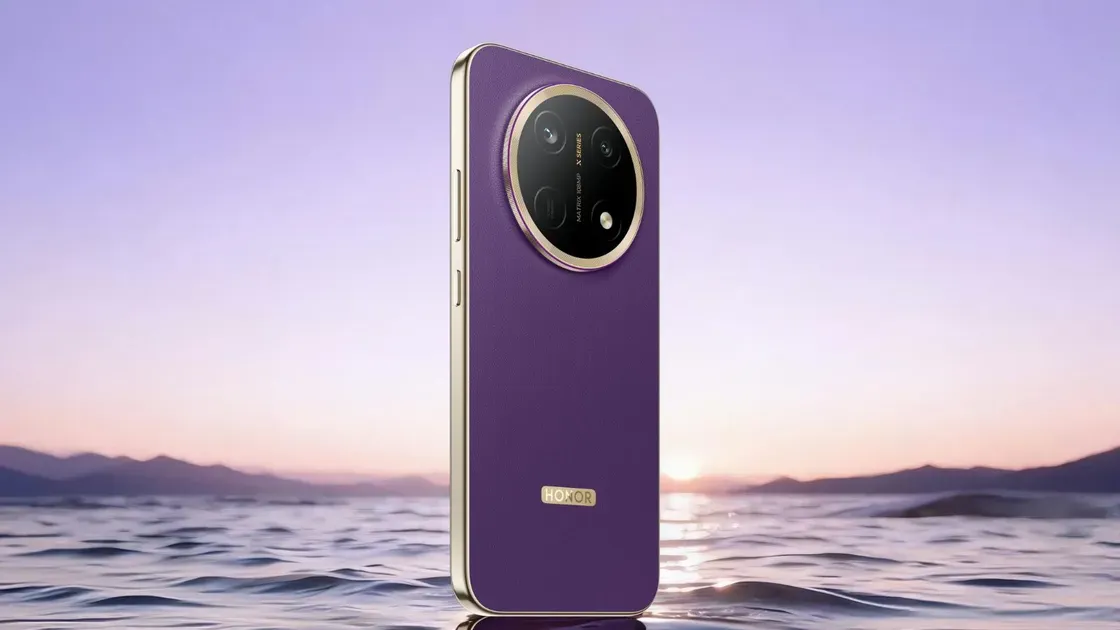
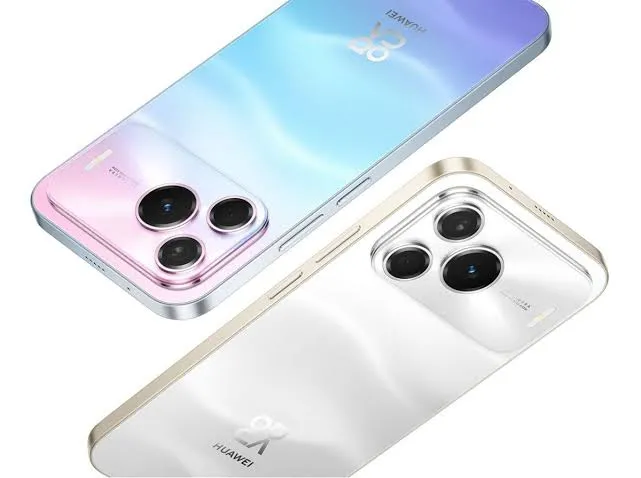
In terms of physical design, reports indicate an iterative yet noticeable refinement over previous Nova models. The overall build quality maintains a premium feel, while the strategic placement of ports and controls aims for ergonomic efficiency. This attention to user interface alongside technological prowess signals Huawei’s commitment to delivering a polished, reliable consumer experience.
The pricing structure accompanying this sale window is highly critical to assessing its market penetration potential. By positioning such a high-capacity device at an accessible price point during the promotional period, Huawei aims to capture significant market share from users who prioritize longevity and dependability over brand name alone.
Ultimately, the Huawei Nova 16 SE represents a calculated maneuver in consumer electronics marketing. It is not simply an upgraded phone; it is a statement regarding mobile endurance as a premium feature. The combination of industry-leading battery capacity (8500mAh) with refined camera and display technology positions the device to appeal directly to users whose daily routines demand maximum uptime, making power management its most powerful competitive asset.