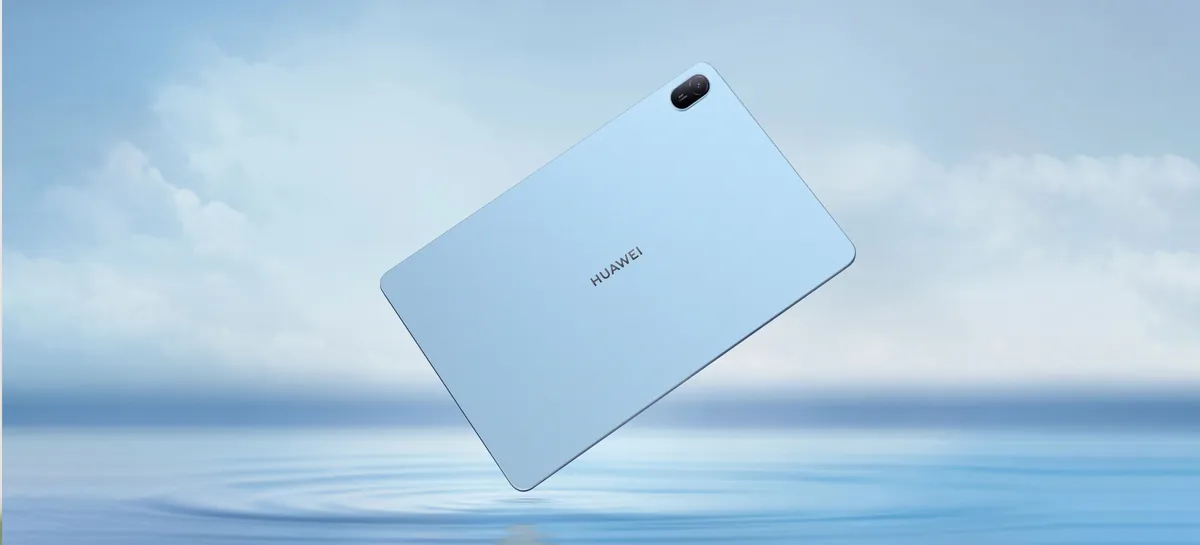
Huawei secured a substantial 34.2% year-over-year growth in tablet sales share during the third quarter of 2026, signaling a significant recovery and strengthening market penetration amidst global tech headwinds.
This robust performance positions Huawei as a formidable player in the increasingly competitive global tablet market. The quarterly figures indicate that the company is successfully navigating complex supply chain challenges and adapting its product strategy to meet evolving consumer demands for high-performance mobile computing devices.
The sales surge is not merely a statistical uptick; it represents a critical validation of Huawei's refined product ecosystem and its strategic pivot toward high-value, feature-rich tablet offerings. Analysts suggest this growth reflects a successful re-engagement with enterprise clients alongside renewed consumer interest.
Commercial Dynamics and Product Specifications
The growth trajectory was underpinned by the successful launch and sustained demand for several key tablet series. These devices integrate advanced processing units and proprietary operating system optimizations designed to enhance multitasking capabilities, a feature increasingly valued by professional users.
Technically, the recent generation of Huawei tablets features enhanced display technologies, often incorporating high refresh rates and advanced color calibration, catering directly to creative professionals and media consumers. Furthermore, the integration of sophisticated AI processing capabilities allows the hardware to deliver optimized performance across various demanding applications.
Commercially, the success is tied to strategic pricing models and expanded distribution channels within key international markets. The focus has shifted from sheer volume to maximizing the value proposition, emphasizing the integration of Huawei's proprietary software services with the hardware itself, creating a more cohesive user experience.
Broader Market and Geopolitical Implications
This strong Q3 performance carries substantial weight in the ongoing technological rivalry between Huawei and its international competitors. The sustained sales growth suggests that Huawei has effectively mitigated some of the geopolitical pressures affecting its semiconductor access and global market access.
From an industry standpoint, the data reinforces a trend toward market segmentation, where premium, feature-dense devices are outperforming entry-level models. Huawei’s ability to capture significant share in this higher-margin bracket demonstrates superior execution in product lifecycle management and brand positioning.
Looking forward, the momentum generated in Q3 2026 provides a crucial foundation for Huawei's broader ambitions. If this trend continues, it challenges the established duopoly in certain segments and positions Huawei not just as a recovering giant, but as a stable, innovating force capable of influencing future mobile computing standards.