🎙 Listen to a summary of this story
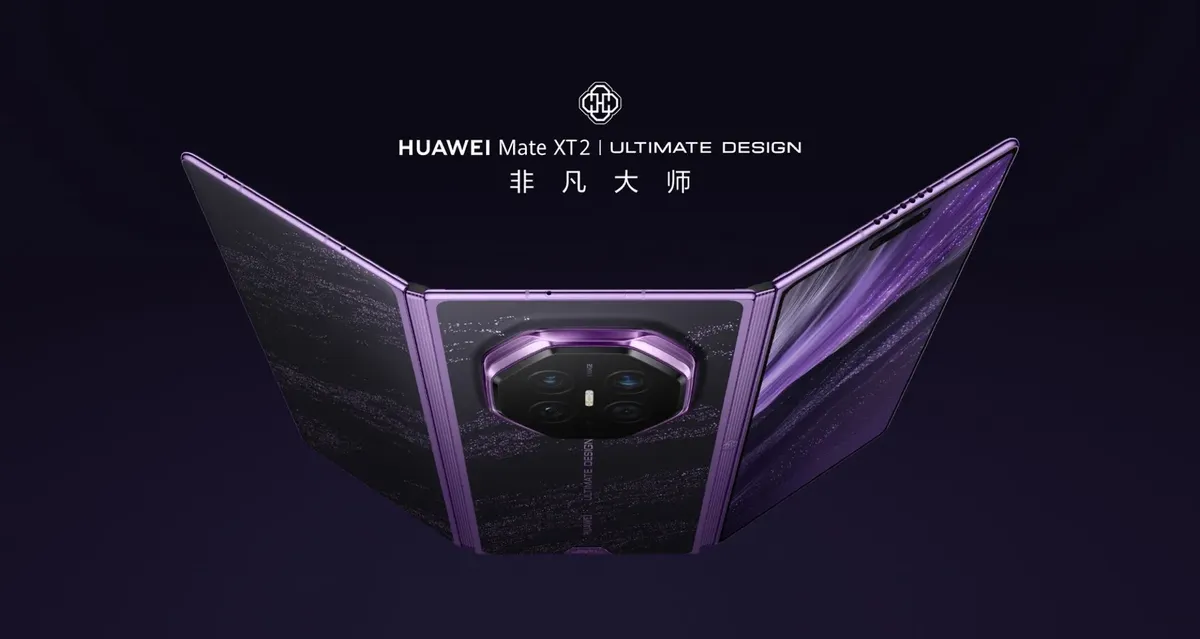
Huawei unveiled its first triple-fold smartphone powered by core chips free from US technological dependency, signaling a major strategic leap in its global recovery.
Technological Independence Meets Advanced Form Factor
The Mate XT represents a significant convergence of cutting-edge hardware design and self-sufficiency in semiconductor technology, addressing long-standing geopolitical constraints facing the Chinese technology giant.
The introduction of the triple-fold phone moves Huawei firmly into the premium foldable segment, a space dominated by established players, while simultaneously showcasing its progress in designing and implementing domestic chip architectures.
This development is particularly noteworthy because the integration of "US-free core chips" suggests a substantial reduction in reliance on Western supply chains for the most critical processing units within the device.
Industry analysts view this move not merely as a product launch but as a calculated strategic maneuver designed to bolster Huawei’s operational resilience against escalating trade restrictions imposed by the United States.
The triple-fold mechanism itself demands extreme precision in display engineering, hinge durability, and internal component miniaturization, areas where Huawei has historically invested heavily to maintain market competitiveness.
Details surrounding the specific chipset architecture were kept proprietary during the unveiling, but sources indicate the chips are designed to handle intensive mobile computing tasks required by a complex, multi-layered foldable display system.
The phone's design philosophy appears centered on maximizing both display real estate and structural robustness, aiming to appeal to high-end consumers who prioritize both technological novelty and reliability.
This achievement positions Huawei as a leader not only in innovative form factors but also as a viable alternative provider of high-performance, geopolitically diversified hardware.
Strategic Implications for Global Tech Dynamics
The unveiling carries profound implications for the global semiconductor landscape, particularly concerning the ongoing technological decoupling between China and the West.
By successfully integrating advanced foldable technology with indigenous chipsets, Huawei demonstrates tangible progress toward achieving technological sovereignty in key areas of mobile computing.
This capability mitigates the risk associated with dependence on foreign entities for fundamental processing power, a vulnerability that has defined much of Huawei’s recent corporate narrative.
Market reaction has been cautiously optimistic, acknowledging the technical achievement while awaiting comprehensive reviews of the device’s real-world performance metrics, such as battery life and sustained processing power.
Competitors in the foldable market, who have historically benefited from access to the latest US-designed silicon, will now face a more formidable, domestically capable challenger.
The success of this specific model will serve as a critical barometer for the viability of Huawei's "self-reliance" strategy across its broader ecosystem of consumer electronics.
Furthermore, this push toward US-free components aligns with broader governmental incentives in China to foster domestic innovation and reduce foreign technological penetration in strategic industries.
For international partners considering collaboration with Chinese tech firms, this product offers a concrete demonstration of the evolving security and supply chain assurances Huawei can now provide.
Further analysis of the device’s market penetration and long-term software integration will determine the full scope of its disruptive potential in the premium mobile sector.