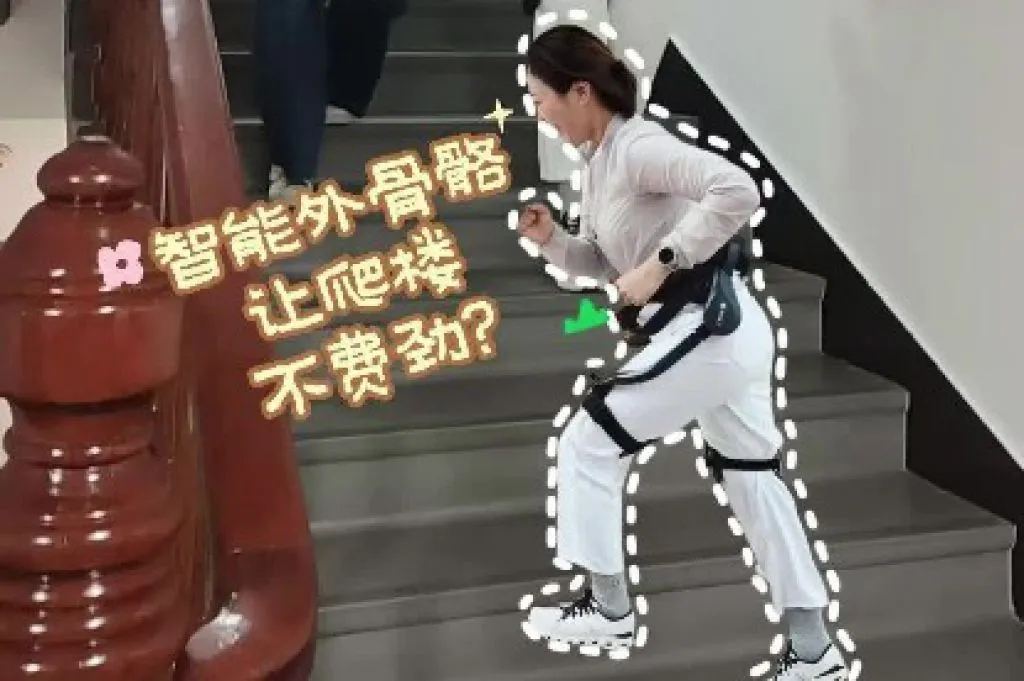
Tianjin researchers unveiled a lightweight exoskeleton designed to significantly enhance mobility for elderly individuals and outdoor workers.
The advanced device integrates sophisticated mechanical design with lightweight materials, positioning it as a viable assistive technology in aging populations and demanding physical environments. Developed through ongoing research initiatives, the exoskeleton aims to mitigate musculoskeletal strain while providing necessary support during ambulation and strenuous activity.
Exoskeleton Design and Technical Specifications
The core innovation lies in the exoskeleton's optimized weight-to-strength ratio, allowing for prolonged use without inducing excessive user fatigue. The system utilizes a modular framework that allows for customization to suit various user heights and body types, a critical feature for widespread clinical adoption.
Technical specifications indicate that the device employs advanced actuators capable of providing targeted assistance at major joints, such as the hips and knees. This powered support mechanism reduces the metabolic energy expenditure required for walking, directly addressing common mobility challenges faced by seniors.
Furthermore, the design incorporates intelligent sensing technology to monitor gait patterns in real-time. This feedback loop allows the exoskeleton to dynamically adjust its level of assistance—a crucial distinction from static bracing systems. The system is engineered not only for support but also for rehabilitation, offering controlled movement patterns beneficial for physical therapy.
The research team emphasized that the lightweight construction was achieved through the strategic incorporation of high-strength composites into the structural elements. This material science breakthrough minimizes inertia, allowing users to maintain a more natural and less cumbersome gait while benefiting from powered assistance.
Market Application and Future Trajectory
While initially targeting elderly users who face challenges with mobility decline, the exoskeleton’s utility extends robustly into industrial settings. Outdoor workers, construction personnel, and logistics staff often endure high levels of repetitive strain injuries due to carrying heavy loads or navigating uneven terrain.
For these occupational groups, the device functions less as a mobility aid and more as an external load-bearing support system. By offloading significant portions of body weight from the skeletal structure, it promises substantial reductions in chronic back pain and joint degradation associated with manual labor.
The developers project that further refinements will focus on integrating power sources capable of longer operational durations without requiring frequent recharging. Current iterations are undergoing rigorous field testing to validate their durability under diverse environmental conditions, including varied temperatures and rugged surfaces.
This development signals a growing trend in Chinese engineering toward creating highly specialized, user-centric robotic assistive devices rather than generalized platforms. The successful translation of this laboratory prototype into practical, scalable solutions could significantly impact healthcare economics and occupational safety standards globally.