🎙 Listen to a summary of this story
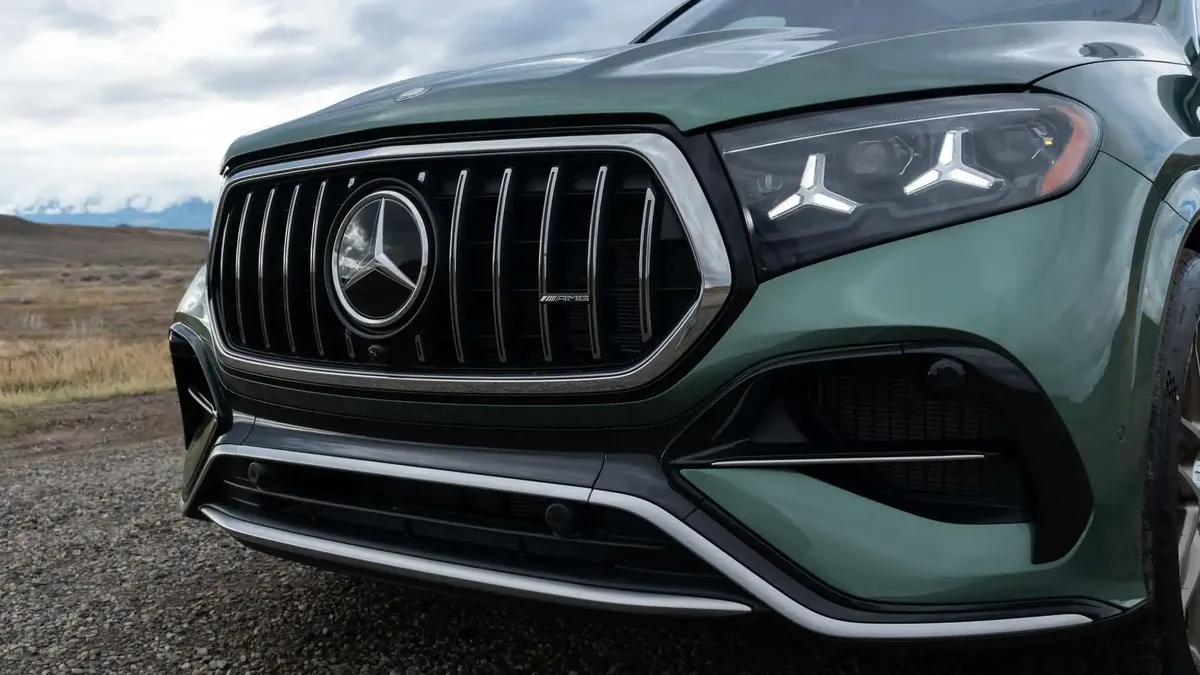
Mercedes-Benz is aggressively integrating domestic Chinese artificial intelligence and autonomous driving systems into its hybrid CLA model, signaling a profound strategic localization shift in the critical Chinese market.
The launch represents more than a regional product update; it signifies the automaker's commitment to co-developing high-value features with leading Chinese technology firms. By embedding Doubao AI and Momenta's driving stack into the CLA, Mercedes is adapting its premium global platform to meet the specific digital and autonomous demands of Chinese consumers, who prioritize deep integration between hardware and localized software experiences.
This move directly addresses the rising dominance of tech-centric automotive brands in China. The collaboration positions the CLA not merely as a luxurious vehicle, but as a sophisticated, AI-enabled mobility platform designed to compete in the increasingly software-defined automotive ecosystem.
Technological Integration and Platform Dynamics
The core of this deployment lies in the synergistic relationship between the hybrid powertrain and the advanced digital features. The CLA incorporates a hybrid architecture designed for optimized urban efficiency, which serves as the physical canvas for the software enhancements provided by Doubao AI.
Doubao AI is tasked with managing the in-car user experience, providing natural language processing capabilities and personalized assistance that moves beyond standard infotainment. This deep integration aims to create a seamless, intuitive interaction layer between the driver and the vehicle’s operational systems.
Complementing the AI layer is the integration of Momenta's driving system. Momenta specializes in autonomous driving solutions, providing the necessary sensor fusion and decision-making algorithms to bolster advanced driver-assistance systems (ADAS). This partnership allows Mercedes to offer a high level of driver support while leveraging a specialized local partner’s expertise in navigating complex urban driving scenarios common in China.
Market Implications and Geopolitical Strategy
This strategic alignment underscores the necessity for established global automotive giants to move beyond simple assembly in China; deep technological partnership is now mandatory for market relevance. By partnering with entities like Doubao and Momenta, Mercedes effectively outsources and co-develops critical, high-growth software competencies.
The adoption of these local tech stacks also serves as a defensive maneuver against escalating geopolitical pressures concerning data sovereignty and intellectual property. By embedding localized AI, the vehicle’s operational data and user experience are natively tailored and validated within the Chinese technological infrastructure.
Ultimately, the hybrid CLA launch serves as a clear indicator of the industry's trajectory: the premium segment in China is rapidly evolving from a contest of mechanical luxury to a battleground of software intelligence. Success hinges not only on the quality of the hardware but on the sophistication and cultural resonance of the integrated AI.