🎙 Listen to a summary of this story
Ulaanqaab is rapidly positioning itself as a critical new hub for artificial intelligence computing in Mongolia, driven by significant infrastructure investment and strategic governmental focus.
This emergence signals a deliberate national pivot toward advanced digital processing capabilities, moving beyond traditional resource extraction to anchor its economic future in high-technology sectors. The development centers on creating robust, scalable computational environments necessary to support burgeoning domestic AI research and enterprise adoption across various industries.
The strategic significance lies in decentralizing technological power; by cultivating a specialized computing ecosystem outside of primary urban centers, Mongolia is mitigating single-point failure risks associated with centralized data infrastructure while fostering regional tech development.
Infrastructure and Technical Deep Dive
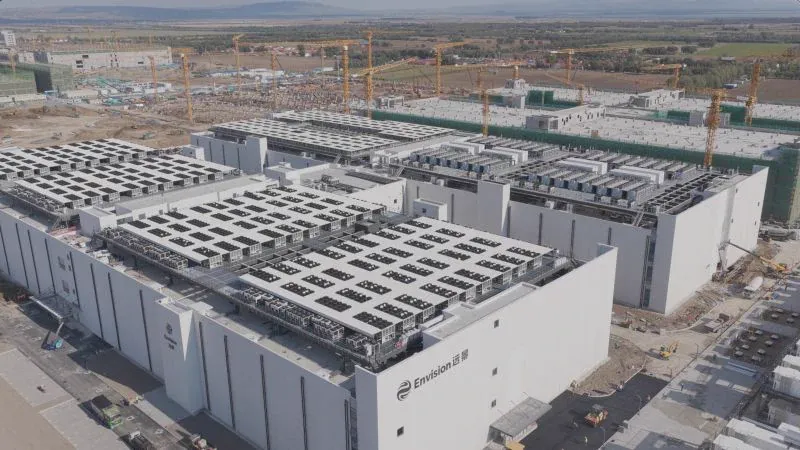
The foundation of this AI hub relies on the deployment of state-of-the-art high-performance computing (HPC) clusters. These systems are designed to handle the massive parallel processing demands inherent in modern deep learning models, including large language model training and complex predictive analytics.
Key hardware components involve next-generation GPU arrays, optimized for energy efficiency—a critical consideration given Mongolia's environmental context. The architecture integrates sophisticated cooling solutions and high-speed interconnect fabrics to ensure minimal latency between processing nodes, vital for real-time AI applications.
Furthermore, the software layer incorporates specialized containerization platforms and distributed computing frameworks. This allows enterprises to deploy custom AI workloads—from image recognition in mining operations to predictive maintenance in logistics—onto a flexible and scalable cloud infrastructure hosted within Ulaanqaab's new data centers.
Broader Industry and Geopolitical Implications
This investment reflects Mongolia’s broader ambition to enhance its technological sovereignty. By building local AI capacity, the nation reduces reliance on foreign cloud providers for mission-critical processing, thereby strengthening national digital resilience against external geopolitical shifts.
From a market perspective, this hub creates an immediate demand pull for specialized technical talent—data scientists, machine learning engineers, and HPC architects. The government’s focus suggests a coordinated effort to rapidly upskill the domestic workforce to service these advanced computing needs.
The establishment of Ulaanqaab as a recognized AI node places Mongolia on the emerging map of regional tech accelerators. Success here could unlock significant foreign direct investment (FDI) targeting digital transformation, positioning the country not merely as a resource supplier but as a participant in the global data economy.