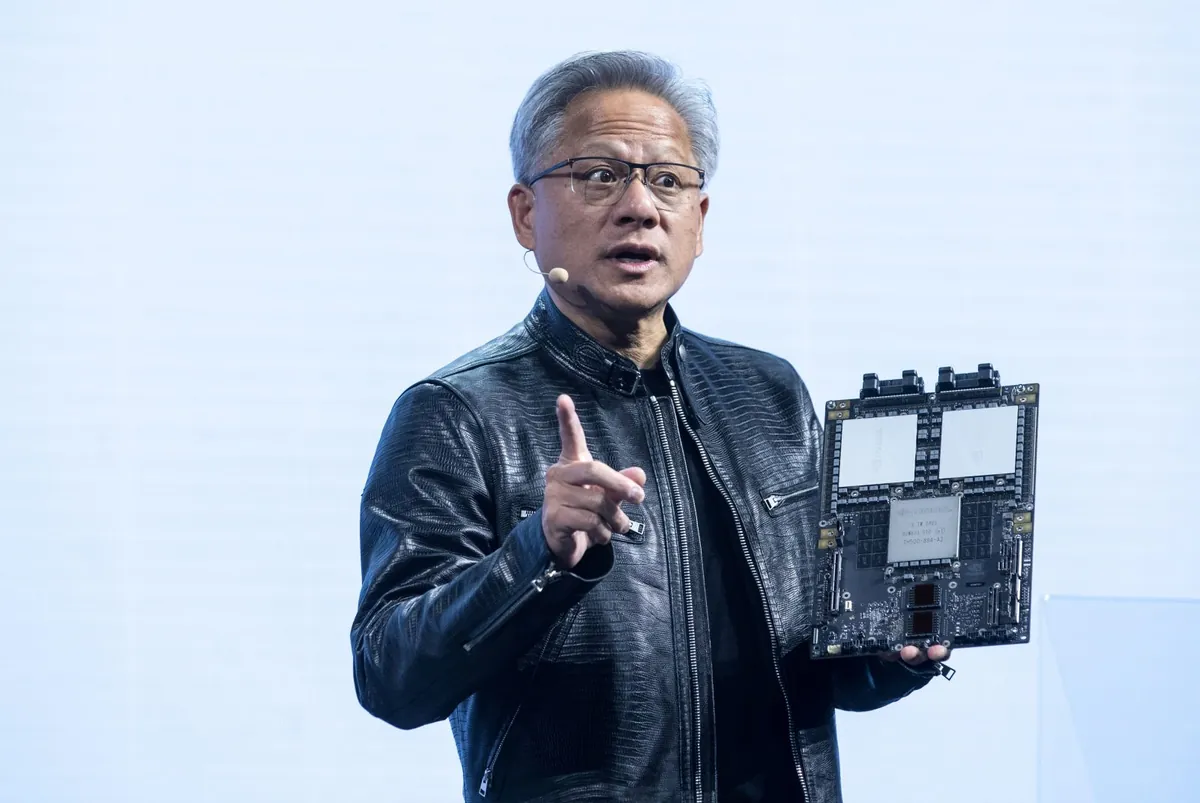
Nvidia’s business in China has become a test of Washington’s technology policy. Now allegations that Chinese intelligence may have targeted chief executive Jensen Huang have raised the stakes, putting the company’s sales, its leadership and the security of its information under fresh scrutiny.
The claims remain unproven. U.S. media reports, citing people familiar with intelligence assessments, said business executive Alice Huang was suspected of gathering information for Beijing. Jensen Huang has acknowledged an affair with her, but Nvidia has said their contacts were ordinary business interactions. China has rejected the spying claims as baseless.
Nvidia’s board has opened an independent investigation into whether its chief executive was the target of a foreign intelligence effort. The board said it had no reason to believe that national security or company secrets had been compromised, while saying its inquiry would examine the available information. Huang has pledged to cooperate.
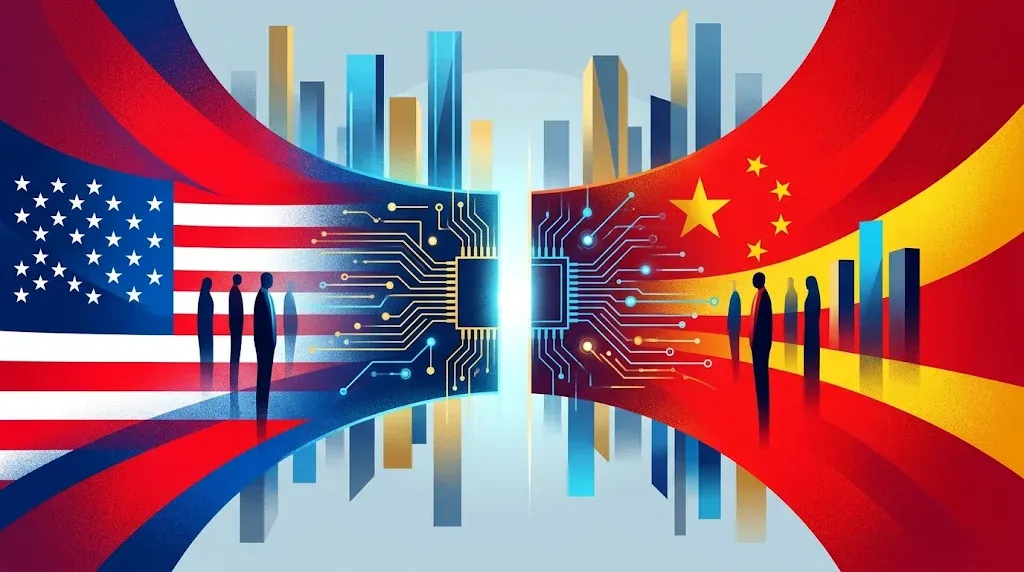
The controversy lands as Nvidia navigates a difficult balance: selling into a large Chinese market while complying with U.S. controls designed to limit Beijing’s access to advanced computing. Huang has been among the most prominent business voices arguing that allowing some chip sales to China serves U.S. interests. The allegations could make that argument harder to sustain in Washington, even as the facts remain under investigation.
A personal allegation with corporate stakes
The reported intelligence concern centres on Alice Huang’s former role at Megaspeed International, a Singapore-based data centre company that bought Nvidia chips and has faced scrutiny over whether hardware was diverted to China. The New York Times reported that U.S. officials believed Alice Huang was collecting information for Beijing. Other accounts have described questions about Megaspeed’s chip shipments, but the company has disputed allegations of wrongdoing.
Nvidia has pushed back against suggestions that its chief executive’s contacts exposed sensitive information. It has said customer meetings are a normal part of Huang’s job and that regional cloud customers receive ordinary business information, not trade secrets or material relevant to national security. The board’s investigation is intended to establish what happened and whether any information was at risk.
Three Republican committee chairs in the U.S. House have also sought a closed-door briefing from Huang about his interactions with Alice Huang and Nvidia’s safeguards against foreign intelligence efforts. That adds a congressional inquiry to the company’s own review. China’s foreign ministry has described the allegations as a smear, while Singapore has said it did not investigate Alice Huang’s alleged intelligence links; police investigations involving Megaspeed remain ongoing, according to published reports.
The distinctions matter. A reported intelligence assessment is not a public finding of guilt, and the existence of an investigation does not establish that Nvidia secrets were obtained. But the case has focused attention on how personal access, commercial relationships and national security can intersect when a company’s chief executive is also a central figure in a strategic industry.
Chip sales become a political test
Nvidia’s processors are central to the data centres used to train and run artificial intelligence systems. Their strategic importance has made sales to China a recurring point of tension between the company and U.S. policymakers. Washington has restricted exports of the most powerful chips, while Nvidia has sought to sell products that comply with the rules and preserve a presence in the market.
That approach was already politically contentious. Supporters of tighter controls argue that advanced chips could strengthen China’s AI and military capabilities. Huang has argued that restricting access too far could push Chinese firms to build domestic alternatives and weaken U.S. influence in global technology markets.
The spying allegations bring a new dimension to that debate. Lawmakers may press for stricter export controls or stronger oversight of sales through data centre operators and other intermediaries. But the allegations do not, by themselves, show that Nvidia’s chips were diverted or that its products were used in intelligence work. Those questions depend on evidence about individual shipments, customers and the information shared in business settings.
For Nvidia, the practical challenge is to reassure governments and investors without prejudging the investigation. The board’s statement that it has no reason to believe secrets were compromised is an initial assessment, not a final conclusion. Huang’s position, and the company’s credibility with policymakers, may depend on whether the independent review can explain what information was accessible and whether safeguards worked as intended.
Uncertainty for Nvidia and Washington
The case also sharpens the risks of Nvidia’s dual role as a commercial supplier and a symbol of U.S. technological strength. The company’s China strategy is shaped not only by demand and product design, but by shifting rules and political judgments about the security implications of each sale. A more restrictive climate could force Nvidia to narrow its offerings or reduce its business in China, while leaving Chinese customers with stronger incentives to seek domestic chips.
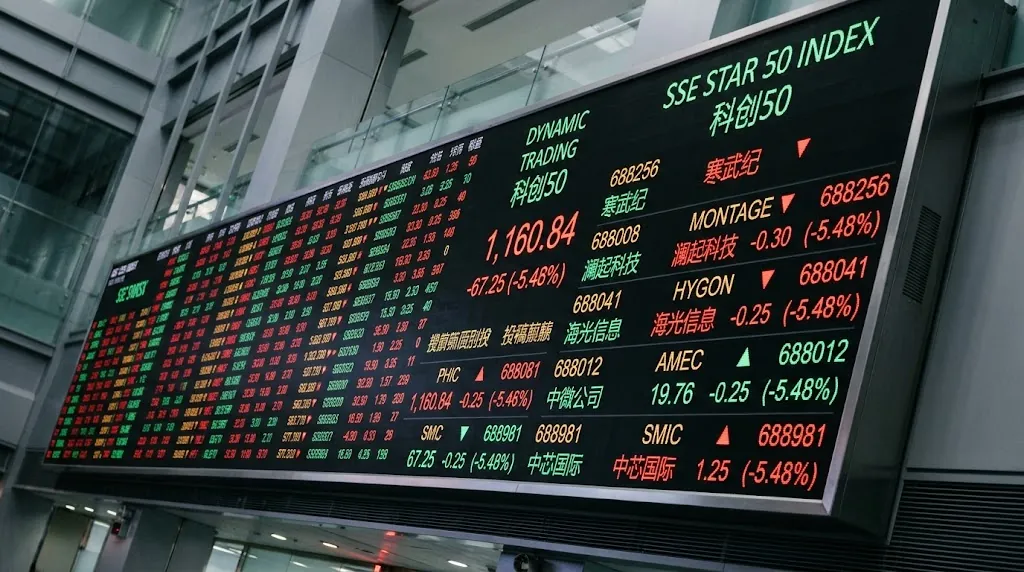
Investors are watching for the effects on sales, leadership and the company’s standing in Washington. Nvidia shares fell after the allegations drew renewed attention, while analysts said the controversy could increase support in Congress for tighter controls. That market response reflects uncertainty; it does not establish how the investigation will end.
The immediate questions are narrower than the wider U.S.-China technology contest: what did the two people discuss, what information was available to a customer executive, and did any protected material reach an unauthorized party? Nvidia’s board says it has not found evidence of a compromise so far. China denies the allegations, and the public record remains incomplete.
Until the investigation produces answers, Nvidia’s China business will serve as a barometer of political pressure as much as commercial demand. The outcome could influence how Washington weighs access to a major market against the risks of transferring technology and information. For now, the central test is whether the company can establish what happened—and persuade regulators that its safeguards are strong enough for an era in which chip sales carry consequences well beyond the balance sheet.