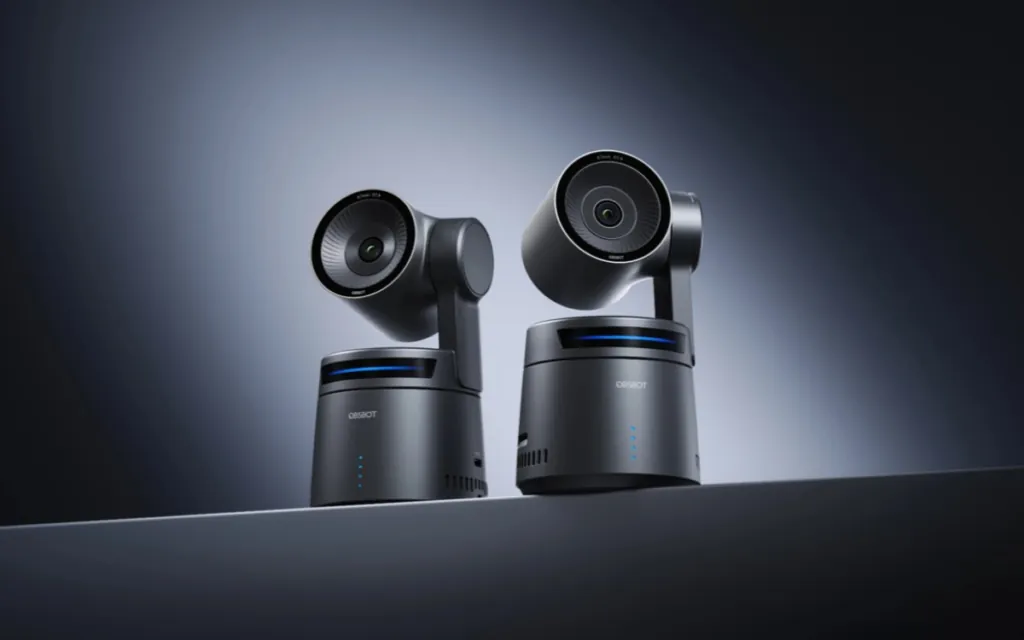
Obsbot has launched the Tail Air 2 drone, featuring a 1-inch CMOS sensor and advanced AI Tracking 2.0 for enhanced aerial cinematography capabilities.
The new iteration significantly upgrades the previous model, focusing heavily on professional-grade imaging and operational versatility. Key among these enhancements is the introduction of a rotating lens system, specifically engineered to capture stable and high-quality vertical video content, a format increasingly dominant across social media platforms and short-form digital content creation.
This strategic refinement positions the Tail Air 2 not merely as a consumer gadget, but as a more specialized tool for content creators demanding both cinematic quality and cross-platform adaptability. The integration of sophisticated AI tracking ensures subjects remain perfectly framed regardless of complex movement patterns.
Technical Specifications and Hardware Refinements
Technically, the Tail Air 2 is built around a robust platform supporting high-resolution capture. The shift to a 1-inch CMOS sensor provides superior light gathering capacity compared to smaller sensors, resulting in better dynamic range and cleaner footage, particularly in challenging low-light environments. This sensor upgrade is central to its appeal to semi-professional users.
The AI Tracking 2.0 represents a substantial leap in onboard processing power. This advanced algorithm enables the drone to maintain precise subject lock, compensating for wind shear and erratic flight paths with greater accuracy than predecessor models. Furthermore, the inclusion of a rotating lens mechanism solves a critical pain point in mobile videography, allowing users to shoot native 9:16 vertical video without relying solely on post-production cropping.
Operational details indicate that the Tail Air 2 maintains a commitment to flight endurance while optimizing payload capacity for its advanced camera system. The combination of refined flight control software and optimized hardware architecture allows the drone to deliver stable flight patterns necessary for professional-grade tracking shots, making it viable for commercial applications.
Market Positioning and Industry Implications
The introduction of the Tail Air 2 underscores a clear trend in the consumer drone market: the convergence of high-end cinematography hardware with accessibility. Manufacturers are recognizing that the primary consumer use case has shifted from pure aerial surveying to sophisticated, portable content production.
From a market perspective, Obsbot is directly challenging established players by targeting the burgeoning creator economy. By solving the vertical video problem natively through hardware, they streamline the workflow for digital marketers, social media influencers, and small production houses. This focus on integrated utility reduces the need for users to rely on complex external stabilization or editing tools.
Geopolitically and industrially, the rapid iteration seen in drones like the Tail Air 2 reflects the intense domestic competition within China’s technology sector. These advancements signal a continued push toward technological self-sufficiency in aerial robotics, pushing global benchmarks for sensor integration and AI autonomy.