🎙 Listen to a summary of this story
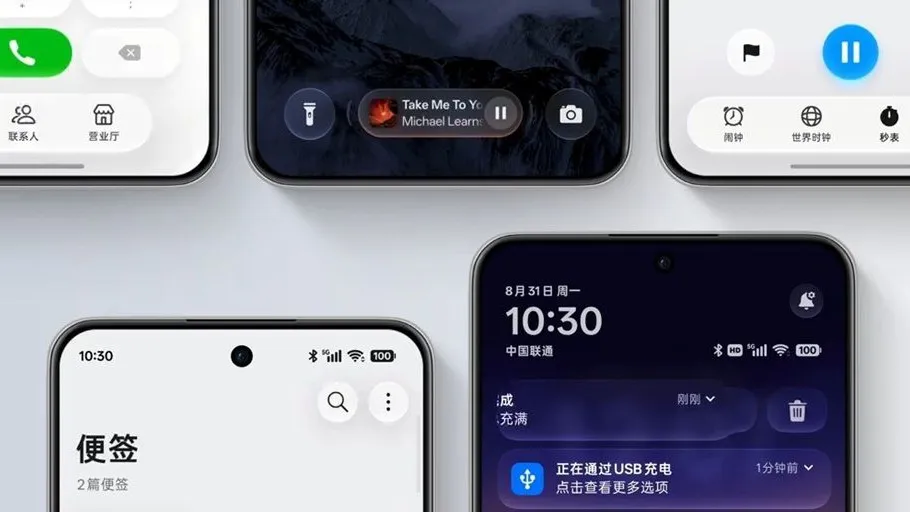
The OnePlus 16 will debut with ultra-thin bezels measuring just 1.15mm, signaling a significant leap in mobile display engineering and aesthetic refinement.
The latest design confirmations for the highly anticipated OnePlus 16 reveal a commitment to minimizing screen-to-body ratio constraints, positioning the device as a premium contender in the flagship smartphone market. This aggressive reduction in bezel size is not merely cosmetic; it fundamentally alters the user experience by maximizing screen real estate for media consumption and productivity.
Industry analysts suggest that the 1.15mm bezel specification places the OnePlus 16 at the forefront of current mobile design trends, competing directly with established leaders known for their borderless display technology. The integration of such narrow framing requires precise calibration of the display panel, front-facing camera module, and necessary sensor placement, demanding advanced manufacturing tolerances from the production team.
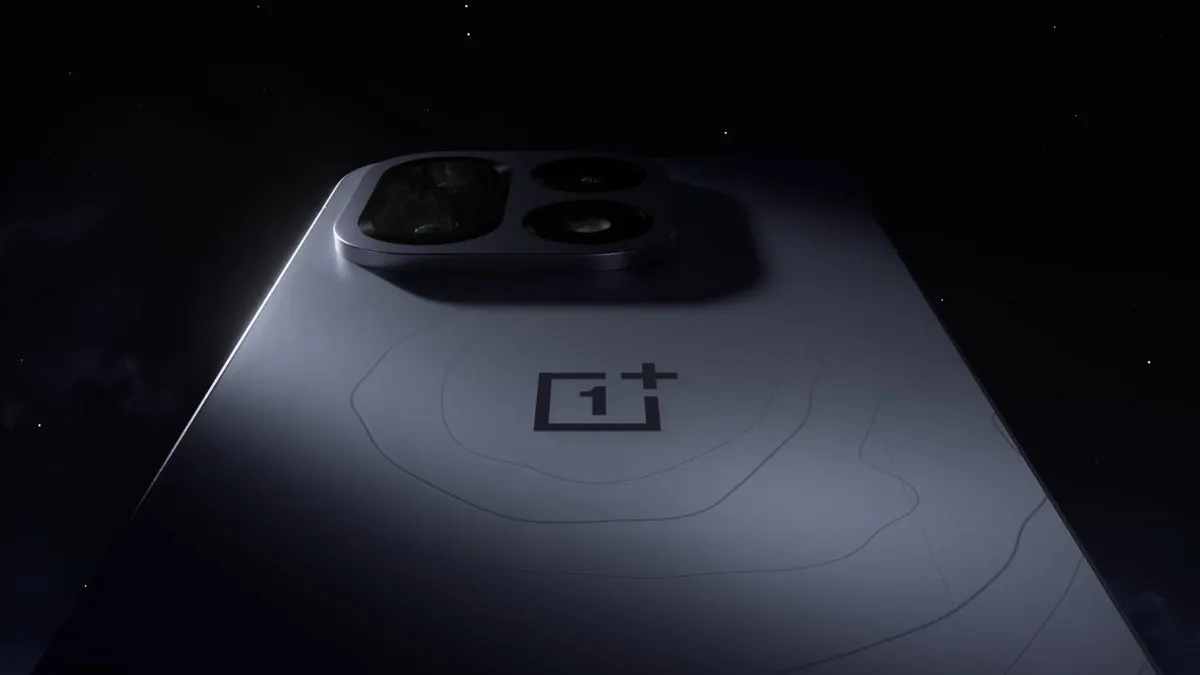
Beyond the bezel reduction, emerging details point toward a revised chassis design, incorporating materials intended to enhance both durability and tactile quality. Sources indicate the device maintains a streamlined profile while introducing subtle textural elements that differentiate it from previous iterations, aiming for a more sophisticated, less monolithic appearance.
The strategic emphasis on a refined physical design suggests that OnePlus is prioritizing the holistic user experience, moving beyond raw performance metrics to focus on how the device feels and looks in daily use. This dual focus—on engineering excellence (the bezels) and industrial design (the chassis)—is a common hallmark of high-end device launches.
Design and Display Innovations
The specific engineering behind the 1.15mm bezel is crucial to the device's market positioning. Achieving such thinness without compromising structural integrity or introducing visible distortion requires advanced glass bonding and display layering techniques. This meticulous attention to the display perimeter ensures that the visual experience remains uninterrupted, a key selling point for consumers accustomed to immersive mobile interfaces.
Furthermore, the front-facing camera housing, while integrated within the reduced bezels, is expected to utilize a sophisticated cutout or punch-hole mechanism designed to minimize visual intrusion. The placement and size of this element will be critical to maintaining the seamless aesthetic established by the ultra-thin borders.
The overall form factor is anticipated to strike a balance between modern minimalism and ergonomic practicality. While the focus is on thinness, successful flagship design requires the device to remain comfortable for extended periods of single-handed operation, suggesting careful consideration was paid to the curvature and weight distribution of the final chassis.
This iterative refinement process demonstrates OnePlus's continued evolution in its hardware philosophy. Previous models established performance benchmarks; the OnePlus 16 appears poised to set new aesthetic benchmarks through its disciplined approach to physical constraints.
Market Implications and Technical Specifications
The confirmed design elements place significant pressure on competitors to respond with comparable display innovations. For the consumer, this means a device that offers a superior visual canvas without the bulk often associated with maximizing screen size.
While the announcement centered on aesthetics, the underlying technical specifications—including processor generation, camera hardware, and battery capacity—will ultimately determine the device's functional standing. However, the design narrative alone suggests that the OnePlus 16 aims to redefine the visual standard for its segment.
The successful implementation of these ultra-thin bezels confirms that OnePlus is aggressively pursuing a premium, design-led approach to its flagship line, challenging the industry's established norms for mobile screen framing.