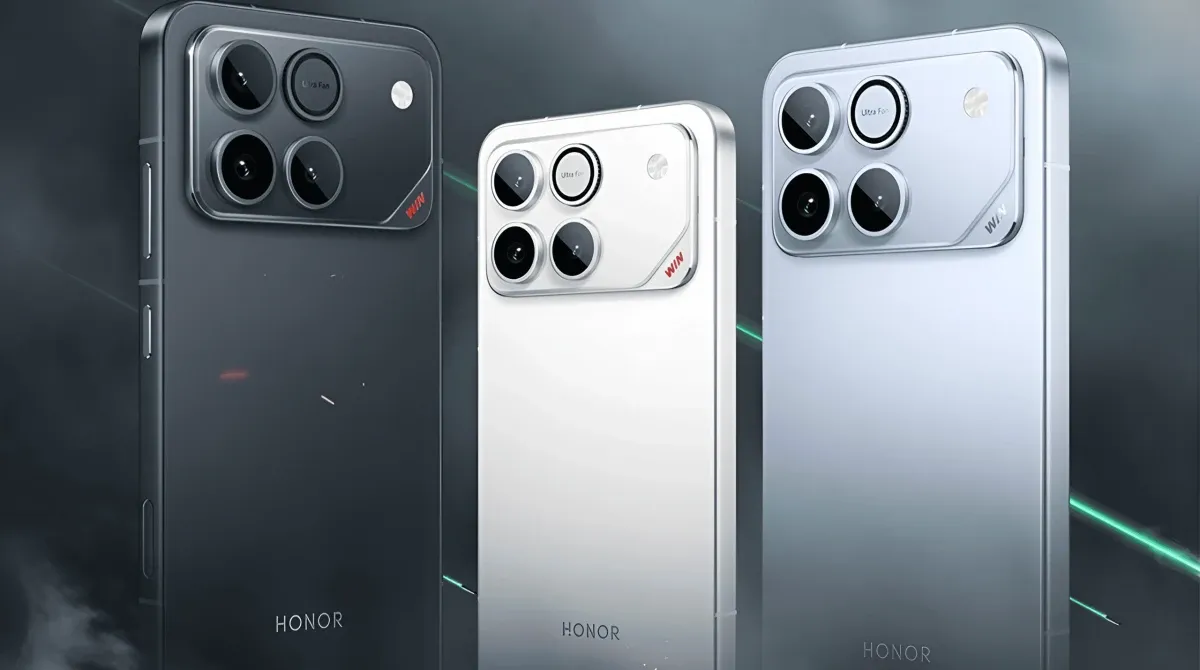
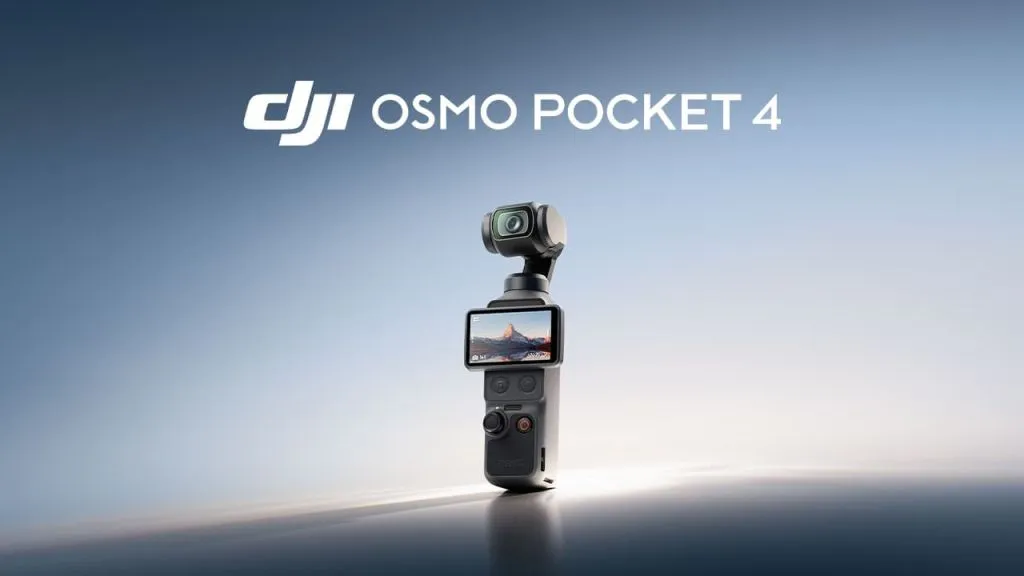
Opposite smartphone giants Oppo and Vivo are preparing year-end launches of sophisticated gimbal cameras, directly challenging the dominance of DJI’s Pocket series in the portable videography market.
These strategic entries signal an aggressive escalation in China's consumer electronics battleground, as both manufacturers aim to capture a significant share of the high-end action camera demographic with integrated stabilization technology.
The development represents a focused effort by Oppo and Vivo to enhance their premium smartphone ecosystems beyond mere computational photography, moving into dedicated, highly stabilized mobile content creation tools. The competition is not simply about hardware specs; it involves capturing the creator economy market share where ease of use meets professional-grade stability.
DJI’s Pocket line has established itself as the benchmark for portable gimbals, offering a compact form factor combined with industry-leading stabilization algorithms. Any successful countermove by Oppo or Vivo must address this entrenched reputation for reliability and seamless integration into user workflows.
Competitive Landscape and Product Strategy
Industry observers suggest that the forthcoming devices will leverage advancements in proprietary sensor technology coupled with advanced mechanical stabilization systems, moving beyond simple electronic image stabilization (EIS). The focus appears to be on creating a holistic mobile content creation package rather than just an accessory.
For Vivo and Oppo, this launch is part of a broader strategy to elevate their brand positioning from mass-market players to premium technology innovators. By entering the gimbal space, they are signaling technological parity—or superiority—to established global leaders in specialized camera hardware. The market expects these new devices to offer features that bridge the gap between traditional smartphone video and dedicated mirrorless cameras.
The timing of these year-end releases is crucial for capturing holiday consumer spending cycles. Manufacturers are attempting to preempt Q1 2027 upgrades by offering compelling, high-value alternatives during the peak purchasing season.
While specific technical specifications remain under wraps ahead of official announcements, sources indicate that both companies are focusing heavily on battery life optimization and software features designed for intuitive operation by amateur filmmakers. The integration must be seamless enough that a user transitioning from capturing content purely on their phone can easily adopt the gimbal camera without significant retraining.
This move forces DJI to potentially accelerate its own product refreshes or respond with strategic pricing adjustments if Oppo and Vivo manage to undercut perceived value while maintaining high performance standards. The success of these launches will hinge entirely on how effectively they communicate superior usability alongside technical competence.
Implications for the Mobile Content Ecosystem
The increased competition in this niche has wider implications for the entire mobile content creation ecosystem within China. It validates the market demand for specialized, high-quality stabilization solutions that do not require users to carry bulky external hardware.
Furthermore, these integrated gimbal cameras could accelerate the trend of "camera-first" smartphone development, where the camera system is treated as a core, independently functional module rather than merely an application within the phone's OS. This shift favors manufacturers willing to invest heavily in complex mechanical and algorithmic engineering.
The battle will ultimately be fought on three fronts: price point accessibility for the mainstream premium buyer, raw stabilization performance metrics against DJI, and the software ecosystem integration that keeps users engaged post-purchase. A successful product from Oppo or Vivo could effectively disrupt DJI's current market segmentation by offering a compelling, locally optimized alternative.