🎙 Listen to a summary of this story
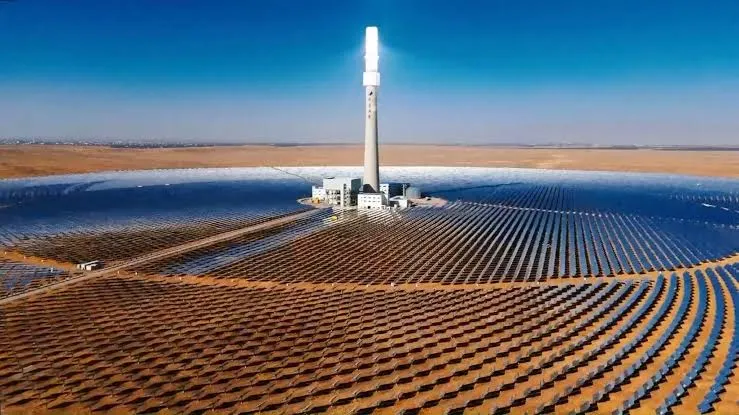
PowerChina has successfully integrated the massive 1-GW Gonghe Solar PV and Molten-Salt Tower Project in Qinghai into the regional power grid, marking a significant milestone in China's renewable energy deployment strategy.
This substantial connection operationalizes a complex hybrid system designed to maximize clean power generation stability within the challenging high-altitude environment of Qinghai Province. The project’s completion underscores the national push toward large-scale integration of variable renewable sources, leveraging both photovoltaic (PV) and concentrated solar power (CSP).
The successful grid tie-in provides critical baseload capacity supplemented by dispatchable energy storage capabilities inherent to the molten-salt tower design, mitigating the intermittency typically associated with pure PV installations. This achievement directly impacts regional energy security and clean electricity supply targets.
Technical Scope and Operational Dynamics
The Gonghe complex is engineered as a dual-generation facility, combining high-efficiency Photovoltaic panels with a Molten-Salt Thermal Energy Storage system. The 1-GW capacity signifies the sheer scale of modern renewable infrastructure being brought online across China's western energy corridors.
The CSP component utilizes molten salt to store thermal energy, allowing for electricity generation hours after sunset or during periods of low solar irradiance. This characteristic differentiates it from standard PV arrays, enabling a more reliable power profile that aligns better with grid operator demands for consistent output. The integration engineering focused heavily on managing the interface between the high-voltage DC output of the PV system and the synchronous AC generation capabilities of the thermal plant.
PowerChina's execution involved navigating the unique logistical and environmental challenges of Qinghai, ensuring that the sophisticated hardware—including tracking mechanisms for the PV arrays and the specialized heat exchangers for the molten salt loop—operates efficiently under extreme climatic conditions. The successful commissioning validates the reliability of these integrated renewable architectures at multi-gigawatt scales.
Broader Market and Geopolitical Implications
This deployment reinforces China's global leadership in constructing utility-scale, complex renewable energy projects. By mastering hybrid solar technologies like this one, Chinese developers are demonstrating technological maturity beyond simple capacity addition; they are proving systemic integration competence.
From a geopolitical perspective, the development of stable, large-scale clean power in interior provinces like Qinghai reduces reliance on long-distance transmission from coal-heavy regions and enhances national energy sovereignty. It solidifies the strategic importance of Western China as a renewable energy powerhouse.
The Gonghe project serves as a crucial case study for international investors observing the trajectory of global decarbonization efforts. Its operational success validates the economic viability of high-capacity, dispatchable solar power, setting benchmarks against which future global renewable infrastructure projects will be measured.