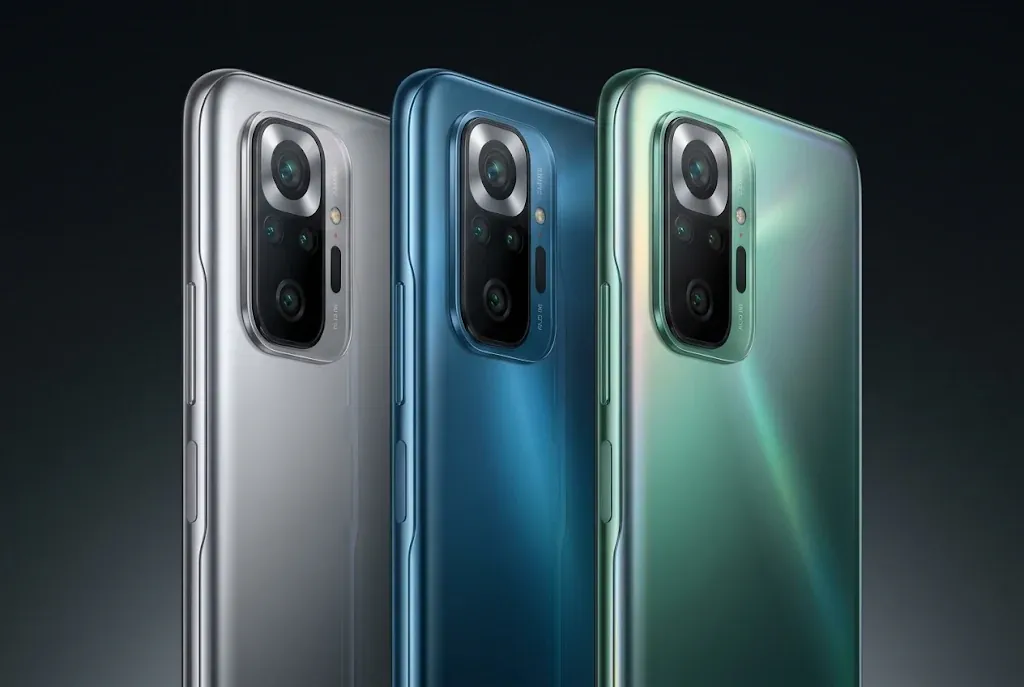
Redmi is aggressively pushing battery capacity boundaries, planning a 12000mAh smartphone launch while simultaneously targeting an even larger 14000mAh unit in subsequent models.
This strategic pivot into extreme power storage signals a direct response to escalating consumer demand for multi-day mobile usage, challenging established industry norms regarding battery density versus device bulk. The pursuit of these capacities suggests a market segment willing to tolerate increased physical dimensions in exchange for unparalleled endurance.
The announcement indicates a clear trajectory for Redmi to dominate the endurance segment of the mid-range and potentially upper-mid-range market. Such large-format batteries are not merely a feature; they represent a fundamental shift in the utility proposition of the modern smartphone, positioning longevity as a primary selling point.
Technical Execution and Commercial Strategy
The transition from a standard large battery (e.g., 5000mAh) to 12000mAh and beyond necessitates significant engineering trade-offs. While the source material confirms the planned capacities, the commercial viability hinges on how Redmi manages thermal dissipation and overall device weight. Integrating such massive power cells requires sophisticated battery management systems (BMS) to ensure safety and prevent performance degradation under heavy load.
Commercially, this strategy targets users in regions where grid access is intermittent or where extended periods away from charging infrastructure are common. By prioritizing raw battery life, Redmi is carving out a niche distinct from competitors who emphasize cutting-edge processing power or camera sensor size. This focus on stamina speaks directly to the practical, high-utility consumer profile.
Furthermore, the ability to reliably source and integrate cells of 12000mAh and 14000mAh at a competitive cost structure is a major manufacturing hurdle. Redmi's ability to execute this roadmap successfully will depend heavily on its supply chain leverage and its partnership agreements with battery manufacturers, allowing it to scale production efficiently.
Market Dynamics and Industry Implications
This aggressive capacity scaling by Redmi places immediate pressure on established battery technology leaders. It forces competitors to either match the endurance claims—potentially accepting similar bulk penalties—or pivot their marketing narrative to emphasize energy *efficiency* rather than sheer capacity.
From a broader industry perspective, the pursuit of 14000mAh signals a potential saturation point for current battery chemistry limitations in thin form factors. If this trend continues, it could accelerate R&D investment into solid-state batteries or other next-generation energy storage solutions to mitigate the physical constraints associated with lithium-ion cells.
Geopolitically, the reliance on large-scale battery production underscores the ongoing importance of the supply chains traversing East Asia. Redmi’s success in deploying these massive batteries reinforces the competitive edge of Chinese manufacturing in high-volume, high-spec hardware deployment, a factor that continues to influence global tech market share distribution.