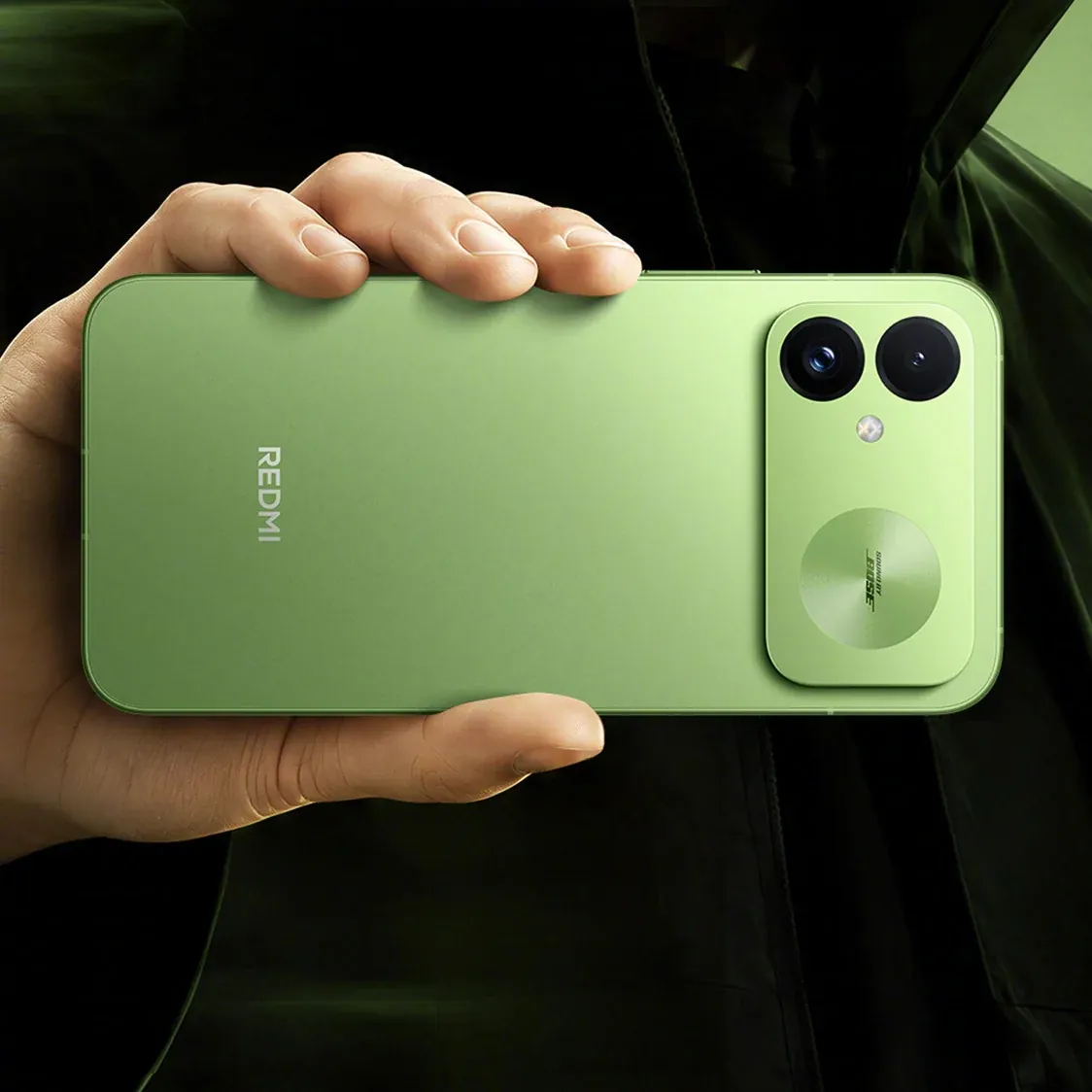
Redmi K100 officially hit its first sale this week, immediately establishing a significant presence in the competitive mid-to-high-range smartphone market with a massive 10,000mAh power cell.
This launch signals Xiaomi's continued aggressive strategy to redefine endurance benchmarks within its flagship-adjacent lineup, directly challenging competitors who typically prioritize slimmer profiles over maximal battery capacity. The introduction of this ultra-high-capacity battery is not merely a feature upgrade; it represents a strategic pivot toward catering to power-intensive user segments demanding multi-day operational capability.
Market analysts view the Redmi K100's debut as a clear indicator that consumer demand, particularly in Asian markets, is shifting away from incremental processing gains toward foundational longevity. The immediate sales traction suggests strong initial consumer acceptance of this power-focused proposition.
Hardware and Commercial Specifications
The technical architecture underpinning the Redmi K100 is designed to support its unprecedented power draw. While specific processor details are subject to final regional configurations, the device integrates advanced display technology coupled with optimized power management systems necessary to handle the 10,000mAh cell efficiently.
Furthermore, the commercial positioning of the K100 suggests a competitive pricing model designed to maximize market penetration. This pricing strategy allows the device to capture volume while simultaneously validating the high-end endurance feature set. Early indicators suggest the device is targeting users who frequently travel or engage in heavy mobile usage without access to consistent charging infrastructure.
Beyond the battery, the device showcases modern connectivity standards and camera arrays, balancing brute-force endurance with contemporary multimedia capabilities. This holistic approach—power, display, and photography—is characteristic of Xiaomi’s strategy to offer comprehensive value at aggressive price points, cementing its role as a volume driver in the global smartphone ecosystem.
Market Dynamics and Industry Implications
The introduction of the Redmi K100 forces established rivals to reassess their own battery capacity commitments. In an industry increasingly focused on thinness and premium aesthetics, this move underscores a growing segment of consumers prioritizing raw utility over purely form-factor perfection. This trend suggests a maturation of the smartphone market where practical longevity is becoming as valuable a selling point as camera megapixels.
Geopolitically, the success of Redmi further solidifies Xiaomi's dominance within the Chinese domestic market, which acts as the primary testing ground for global product rollouts. A successful launch in this highly competitive environment provides crucial data points for the company’s international expansion plans against established global players.
Ultimately, the Redmi K100’s debut is a microcosm of current tech consumer behavior: users are willing to accept slightly less polished design in exchange for guaranteed, uninterrupted functionality. This emphasizes that in the current hardware cycle, power remains the most fundamental and disruptive commodity.