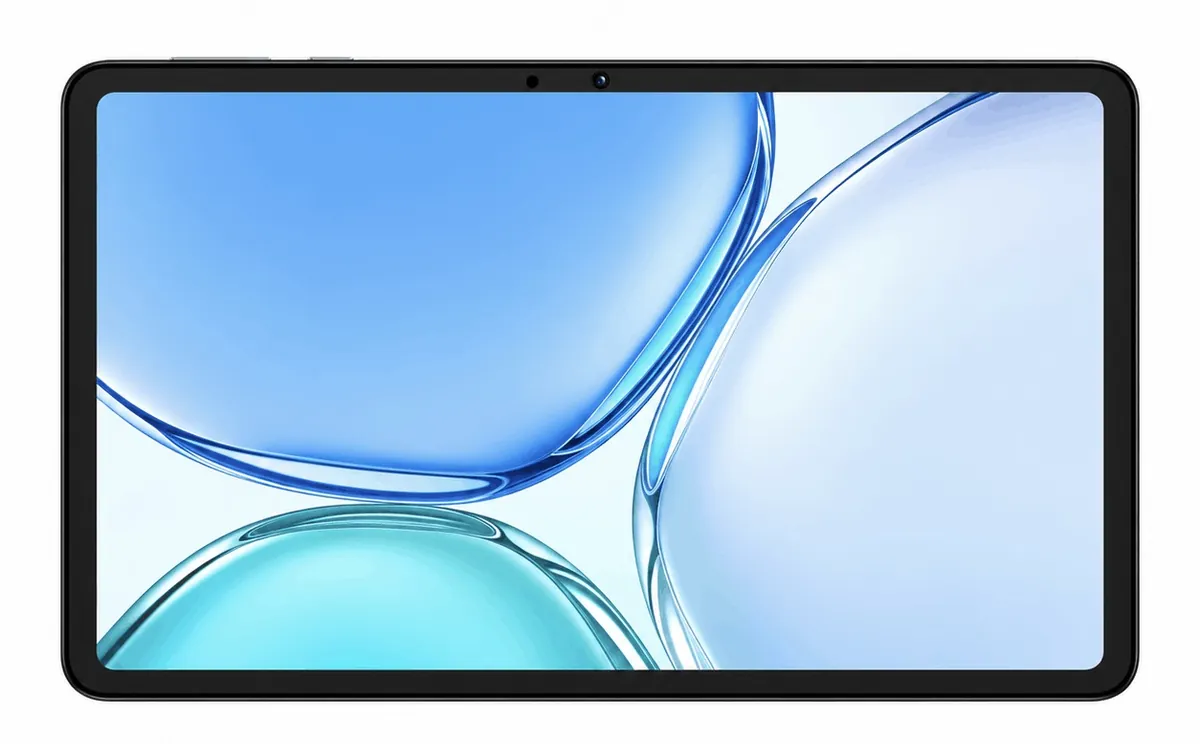

Redmi K100 series phones are slated to debut on Geekbench benchmarks utilizing the powerful Snapdragon 8 Elite Gen 5 chipset, signaling a major performance leap for Xiaomi's mid-to-high tier offering.
The anticipated listing suggests that Redmi is aggressively positioning the K100 line to compete directly in the flagship segment, leveraging cutting-edge silicon from Qualcomm. Early indicators point toward significant gains in computational power and efficiency across various demanding applications.
Performance Benchmarks and Chipset Integration
The inclusion of the Snapdragon 8 Elite Gen 5 places the Redmi K100 series firmly within the premium performance tier. This chipset represents a substantial generational upgrade, promising optimized CPU and GPU architecture that directly translates to superior real-world user experiences.
Geekbench results, once officially published for the device, will serve as the definitive metric for assessing the phone’s processing capability under controlled testing environments. Analysts anticipate sustained high scores in both single-core and multi-core operations due to advancements in process node technology associated with the Elite Gen 5.
Furthermore, the integration of this high-end processor implies substantial refinements in thermal management systems within the K100 chassis. Maintaining peak performance under heavy load—such as extended gaming sessions or intensive video rendering—is critical for flagship perception, and hardware optimization will be key to realizing the chipset's full potential.
The market positioning suggests Redmi is targeting users who require near-flagship processing power without necessarily paying the absolute top-tier price point associated with Xiaomi’s Ultra series counterparts. This strategic balancing act defines much of modern smartphone competition.
Market Strategy and Consumer Implications
This forthcoming benchmark data provides crucial insight into Xiaomi's immediate hardware priorities for the second half of the year. By focusing on a highly capable, yet potentially more accessible, K-series offering, Redmi aims to capture market share from competitors who might be relying solely on older generation processors or less powerful alternatives.
Consumers should expect enhanced capabilities beyond mere raw speed; improvements in AI processing units (NPUs) embedded within the Snapdragon 8 Elite Gen 5 will likely enhance camera computational photography and on-device artificial intelligence features across the Redmi K100 lineup. These enhancements move performance discussions beyond simple clock speeds.
The appearance of these specifications on a public benchmarking platform like Geekbench serves as an early marketing signal, generating pre-launch buzz among tech enthusiasts and reviewers globally. This proactive disclosure helps shape market expectations before the official retail launch date is confirmed.
Reviewers will closely scrutinize how effectively Redmi engineers have integrated the Snapdragon 8 Elite Gen 5 into the K100 design language—specifically regarding battery optimization, software skin efficiency (MIUI/HyperOS), and sustained performance under thermal duress. The success of the K100 series will hinge not only on the raw silicon power but also on the holistic refinement of the user experience.