
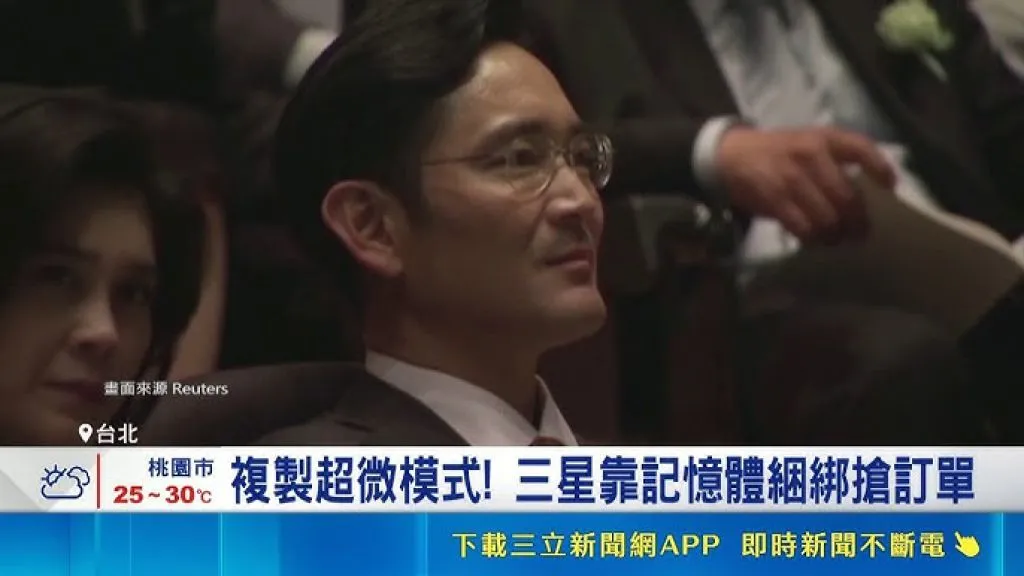
Samsung Chairman Lee Jae-yong conducted a clandestine visit to MediaTek, Taiwan, reportedly negotiating a strategic trade of memory chips for lucrative foundry manufacturing orders.
Intense Pressures
The high-level meeting signals a significant realignment in the global semiconductor supply chain, positioning Samsung as an aggressive buyer seeking diversified production capacity outside its core ecosystem.
Lee Jae-yong's visit to MediaTek, according to reports from The TechnoDesk, underscores the intense competitive pressures facing major silicon manufacturers regarding advanced process technology and component sourcing.
The reported objective of the engagement was multifaceted: Samsung aimed to secure foundry services from MediaTek while simultaneously offering its substantial inventory of high-capacity memory chips as collateral or direct payment.
This proposed exchange mechanism bypasses conventional cash transactions, suggesting a strategic effort by Samsung to leverage existing strengths—its dominant position in DRAM and NAND production—to gain access to crucial manufacturing capacity offered by MediaTek.
Foundry capacity is arguably the most contested resource in modern semiconductor fabrication. As demand for sophisticated System-on-Chips (SoCs) continues to surge, especially within mobile and IoT sectors, securing reliable, high-volume foundry partners becomes a paramount concern for chip giants.
MediaTek, while heavily invested in its own integrated chip design, is increasingly looking to expand its manufacturing partnerships to service growing external demand and diversify risk away from sole reliance on established fabrication behemoths like TSMC or Samsung Foundry itself.
The potential deal would allow MediaTek to utilize spare capacity or specialized process nodes for Samsung’s foundry needs, while simultaneously providing Samsung with a mechanism to offload excess memory inventory into a high-value manufacturing transaction.
Secret Negotiations
This secretive negotiation reflects a broader trend toward vertical integration and strategic barter within the semiconductor industry, moving beyond simple transactional purchasing agreements.
If executed, the agreement could reshape regional foundry allocations, potentially alleviating some of the most intense bottlenecks currently plaguing advanced packaging and leading-edge node production worldwide.
Analysts suggest that such direct, executive-level engagement indicates a high level of urgency from Samsung to secure manufacturing diversification, possibly hedging against geopolitical risks or capacity constraints within their existing fabrication plants.
The memory chip component in the trade is particularly significant because it represents a mature yet massive revenue stream for Samsung. Utilizing this inventory as part of a capital-intensive foundry contract demonstrates an advanced level of corporate resource management.
MediaTek's willingness to engage suggests they see value not just in the physical chips, but in solidifying a long-term strategic relationship with one of the world’s largest electronics conglomerates.
The outcome of this undisclosed partnership could set a precedent for how large semiconductor players negotiate capacity and component supply in an increasingly constrained and fiercely competitive global market. Interested parties are closely monitoring whether this secretive outreach translates into concrete, high-volume manufacturing contracts.