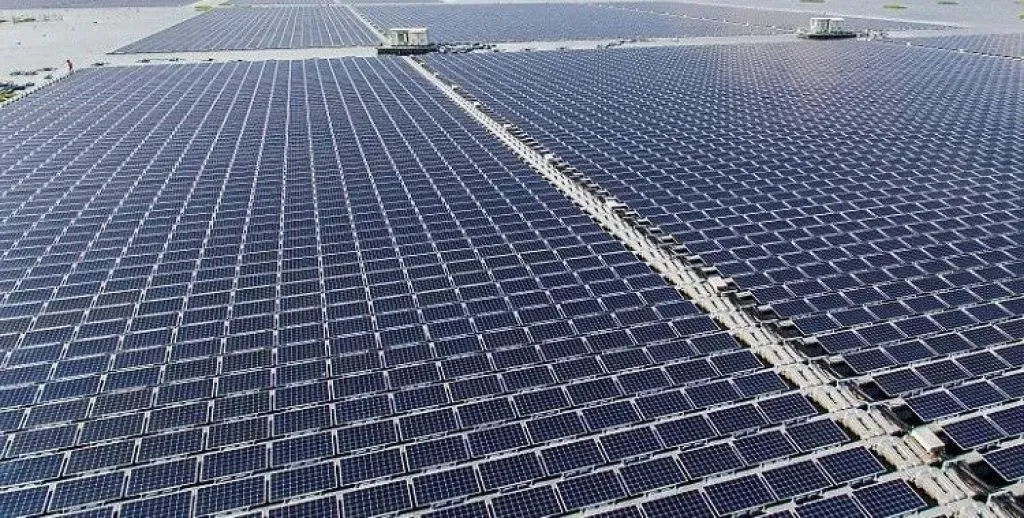
Illegal factories are actively undermining Beijing's aggressive push to eliminate solar panel overcapacity, creating a shadow market that continues to flood global supply chains.
The Shadow Economy Threatens Capacity Control
China is attempting to tame its massive excess capacity in the photovoltaic sector through stringent regulatory measures aimed at curtailing production and stabilizing international prices. However, illicit operations are circumventing these official crackdowns, posing a significant challenge to Beijing's industrial restructuring goals.
These unauthorized facilities operate outside the purview of government quotas and oversight mechanisms designed to manage output volumes. By continuing to manufacture panels without adhering to mandated reductions, they inject surplus supply directly into the market at suppressed costs.
The financial incentive for these clandestine producers is substantial; avoiding compliance costs allows them to maintain extremely low production expenses while benefiting from global demand that remains robust despite official curbs. This dual structure—regulated giants alongside unregulated shadow players—distorts the intended impact of the government's policy levers.
Industry analysts suggest this evasion suggests a deeper, structural issue within China’s solar ecosystem: the sheer scale of existing capacity is so vast that regulatory adjustments alone are insufficient to absorb the entire excess output through legitimate means.
Impact on Global Markets and Policy Efficacy
The proliferation of these illegal producers directly impacts global trade dynamics. When panels from non-compliant sources enter international markets, they can undercut prices set by officially sanctioned manufacturers, effectively negating the intended price stabilization effects of China’s own domestic controls.
This situation complicates foreign buyers' risk assessments and regulatory compliance efforts. Companies purchasing solar components must contend with uncertainty regarding the origin and legality of the product, creating potential exposure to anti-dumping investigations abroad.
The Chinese government faces a difficult balancing act: enforcing strict quotas risks slowing down legitimate technological advancement and employment in the sector, while failing to control illicit production allows unsustainable overcapacity to persist globally. The crackdown, therefore, becomes less about eliminating capacity and more about policing an increasingly complex underground manufacturing network.
Reports indicate that these illegal operations are often embedded within or adjacent to existing industrial zones, leveraging established infrastructure to maintain their secrecy while producing high volumes of competitive hardware. Addressing this requires not only stricter inspection but also a significant overhaul in how production compliance is monitored across the entire supply chain.
For international observers, the persistence of these shadow factories signals that China's transition away from massive capacity build-up will be a protracted and multifaceted regulatory battle rather than a simple operational adjustment. The effectiveness of Beijing’s strategic pivot hinges on its ability to illuminate and dismantle this parallel production infrastructure.