🎙 Listen to a summary of this story
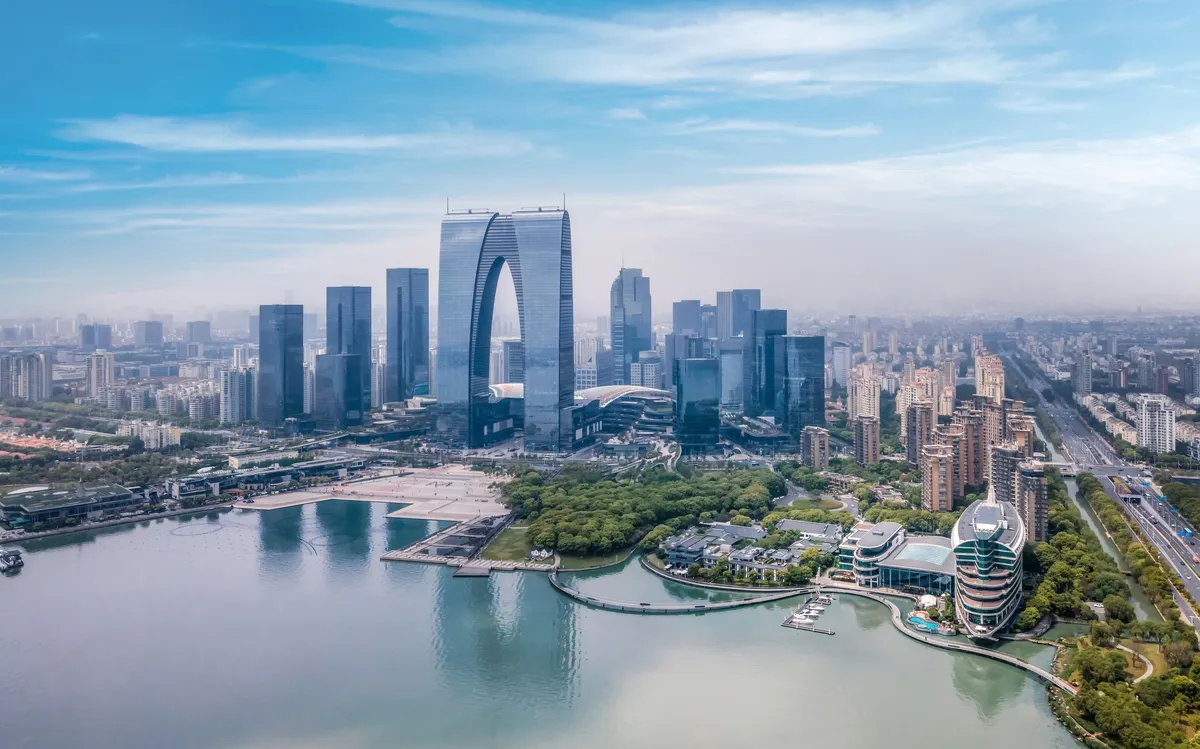
Suzhou has rapidly positioned itself as a critical global hub for photonics technology, capitalizing on surging demand from artificial intelligence infrastructure.
The city's aggressive industrial pivot is centered on high-precision optical components and integrated circuits, making it a key component in the next generation of AI computing hardware. This strategic focus aims to establish China's self-sufficiency and global leadership in advanced optoelectronics, moving beyond traditional manufacturing roles.
Strategic Investment Driving Photonics Growth
The accelerating need for massive data processing power has created an unprecedented demand curve for high-bandwidth interconnects—a sector dominated by photonics. Suzhou authorities and major industrial players have responded with coordinated investment packages designed to build a complete technology supply chain, from raw material sourcing to final application integration.
This comprehensive approach involves attracting both domestic tech giants and international research institutions. By concentrating resources in specific high-tech zones, the city is fostering an ecosystem where academic research quickly translates into commercial product lines. Key areas of investment include silicon photonics, optical sensing, and advanced packaging solutions essential for AI accelerators.
Major enterprises are reportedly collaborating on large-scale pilot projects dedicated to integrating photonic modules directly into data center infrastructure. These initiatives seek to dramatically increase the speed and efficiency of data transfer between computing units, overcoming bandwidth bottlenecks that currently limit AI scalability.
The Role of Photonics in Future Computing
At its core, photonics represents the shift from purely electrical signal transmission to optical signaling within electronic systems. For Artificial Intelligence—which relies on constant, massive data throughput—this transition is not merely an upgrade but a foundational requirement for future performance gains. Traditional copper wires generate heat and suffer resistance degradation at extreme speeds; light-based methods bypass these inherent limitations.
Experts analyzing the market trajectory emphasize that Suzhou's focus ensures local access to critical intellectual property and specialized talent pools, mitigating geopolitical risks associated with relying on foreign supply chains. The development is highly technical, requiring deep expertise in materials science, quantum mechanics, and microfabrication techniques.
The success of this industrial transformation signals a broader national commitment to achieving technological autonomy in core hardware components. By mastering the complexities of photonics—the technology that governs how light interacts with matter on a miniature scale—Suzhou is not just building factories; it is constructing a foundational pillar for China's high-tech manufacturing future.
Analysts suggest that the momentum will continue to draw talent and capital, solidifying Suzhou’s standing as an indispensable node in the global semiconductor and optical component market. This sustained growth trajectory positions the region advantageously within the highly competitive international technology landscape.