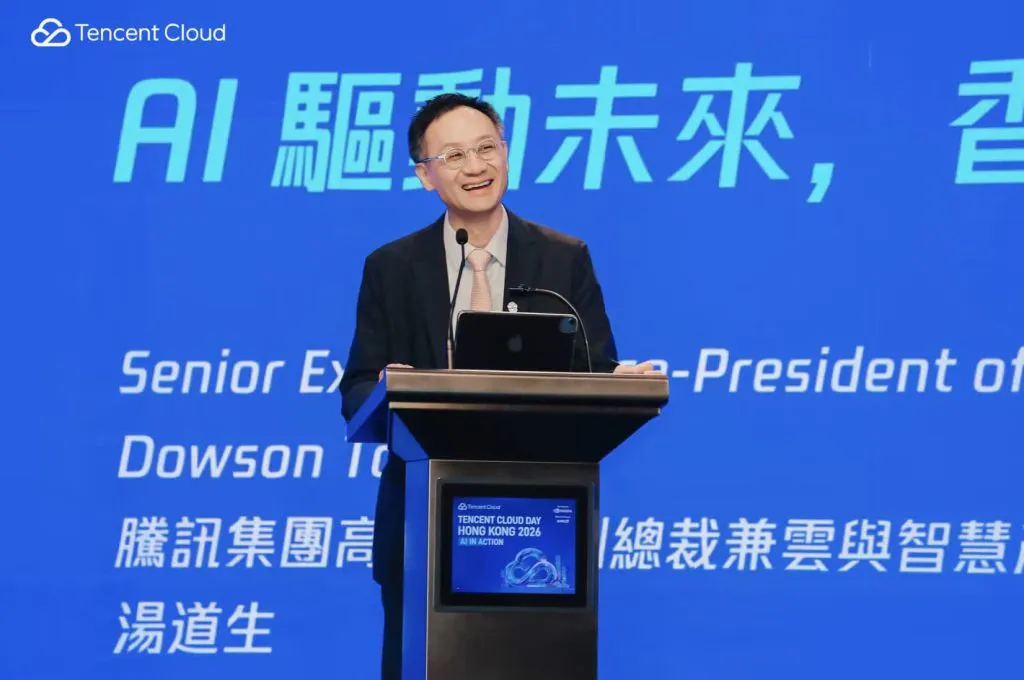
Tencent has significantly broadened its global artificial intelligence presence with the launch of a new productivity AI agent designed to streamline complex workflows for enterprise clients worldwide.
The debut signals Tencent’s aggressive push beyond domestic markets, positioning its AI capabilities against major international tech incumbents. This new agent integrates advanced large language models (LLMs) specifically tailored for business process optimization, moving the company further into high-value B2B service provision.
Global AI Expansion
The introduction of this productivity tool represents a deliberate strategic pivot toward global enterprise adoption. Unlike consumer-facing AI applications, this agent targets specific operational bottlenecks within large organizations, offering solutions in areas such as data synthesis, automated report generation, and complex task orchestration.
Tencent leverages its extensive existing cloud infrastructure to deploy this sophisticated agent globally. This integration minimizes latency and ensures compliance with diverse international data governance standards, a critical hurdle for any company seeking deep penetration into Western enterprise sectors.
Industry analysts view this move as Tencent’s direct challenge in the global AI services market. By focusing on productivity—a measurable ROI driver for corporations—the platform aims to secure lucrative long-term contracts rather than relying solely on high-volume, low-margin consumer engagement models.
The agent's functionality is reportedly built upon Tencent’s proprietary foundational models, which have been fine-tuned using vast datasets derived from its massive domestic user base and commercial applications. This combination of scale and specialization offers a distinct competitive advantage over generalist LLMs currently dominating the market.
Furthermore, the rollout is complemented by enhanced partnerships within key international technology hubs. These collaborations are designed not merely to sell the product but to embed Tencent’s AI solutions directly into established client operational ecosystems, ensuring deep integration and high switching costs for competitors.
Product Capabilities and Market Positioning
The productivity agent excels at handling multi-step cognitive tasks that traditionally required significant human intervention. For example, it can ingest disparate documents—such as financial reports, meeting transcripts, and project specifications—and synthesize them into actionable executive summaries or draft complex strategic proposals.
Specific functionalities highlighted in the announcement include automated cross-platform data reconciliation and proactive identification of risks within ongoing projects based on real-time data feeds. This level of proactive support differentiates it from reactive chatbot interfaces.
From a market positioning standpoint, Tencent is targeting mid-to-large enterprises grappling with digital transformation inertia. These companies possess the budget for advanced AI solutions but may lack the in-house expertise to deploy and manage highly complex models effectively themselves.
The accessibility of the agent across various existing enterprise software suites is another key feature driving its global appeal. This interoperability minimizes the disruption associated with adopting new, mission-critical technologies, making the sales cycle significantly smoother for potential international clients.
Tencent’s official announcement details the tiered deployment strategy, suggesting a phased integration beginning with pilot programs in North America and Europe before scaling worldwide.
This strategic global expansion solidifies Tencent's ambition to transition from being recognized primarily as a dominant Chinese tech entity to a globally recognized leader in applied artificial intelligence services. The success of this productivity agent will be a critical barometer for the company’s next phase of international growth.