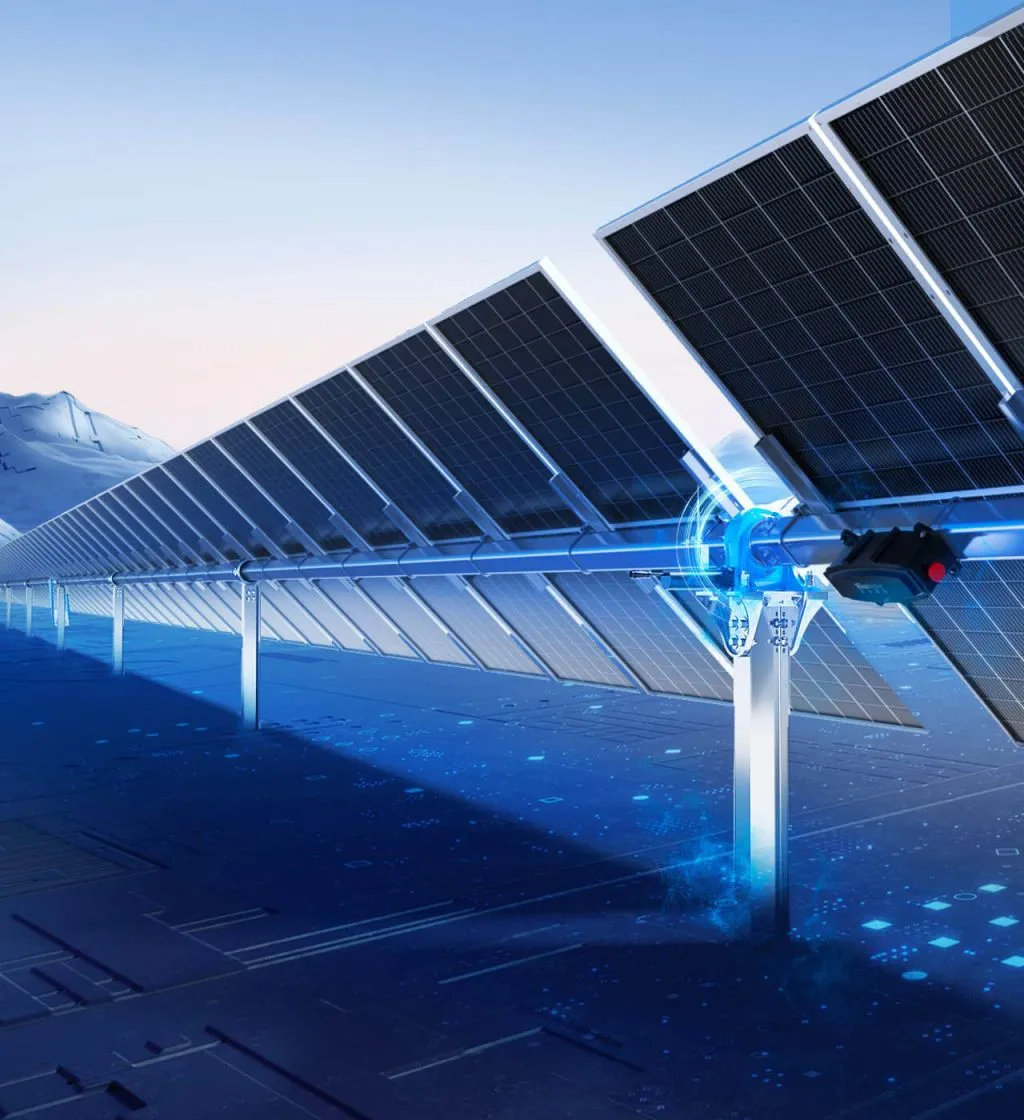
Trina Solar's novel THBC technology introduces a breakthrough BC battery architecture, promising significant advancements in energy storage efficiency and longevity for solar applications.
THBC Architecture Redefines Energy Storage Performance
The implementation of the THBC (Trina High-efficiency Battery Cell) system represents a substantial departure from conventional battery design paradigms currently dominating the renewable energy sector. This architecture is engineered to overcome inherent limitations related to cycle degradation and power density, issues that have historically constrained large-scale solar integration.
Specifically, the technology addresses the kinetic bottlenecks present in traditional lithium-ion chemistries by optimizing the internal material interactions within the battery cell structure. While specific proprietary chemical compositions remain guarded, industry analysis suggests the THBC design focuses heavily on stabilizing electrode interfaces under repeated charge and discharge cycles.
This stabilization translates directly into extended operational lifespans for solar power installations, a critical metric for maximizing return on investment in utility-scale projects. The ability of the battery to maintain high capacity retention over thousands of cycles positions THBC as a disruptive element within grid modernization efforts worldwide.
Furthermore, reports indicate that the system achieves superior energy throughput compared to benchmark cells under comparable operating temperatures. This enhanced thermal management capability is crucial for deployments in diverse global climates where extreme heat or cold can severely compromise battery performance and lifespan.
Trina Solar's development positions it not merely as an incremental improvement but as a foundational shift toward more robust, enduring energy storage solutions necessary to support the transition away from fossil fuels. The engineering focus clearly targets reliability alongside raw capacity figures.
Strategic Implications for Global Solar Deployment
The strategic significance of THBC extends beyond laboratory metrics; it directly influences the economic viability and scalability of solar farms globally. Reliable, long-lasting storage allows intermittent solar generation to be reliably converted into dispatchable power, effectively solving the intermittency problem that has plagued solar adoption.
By offering a pathway to lower Levelized Cost of Storage (LCOS) over the system's lifetime, Trina Solar is addressing primary concerns voiced by large-scale infrastructure investors. Lower LCOS translates directly into more competitive energy pricing for consumers and grid operators alike.
The integration potential of this BC battery architecture across various applications—from residential backup systems to massive utility storage hubs—suggests a broad market penetration strategy. The robustness inherent in the THBC design minimizes the risk profile associated with long-term capital deployment in renewable infrastructure.
Industry observers view this technological advancement as a critical piece of the puzzle required for achieving net-zero energy targets across industrialized economies. Successful commercialization of THBC could accelerate the pace at which grids can absorb higher penetrations of variable solar power without compromising grid stability.