
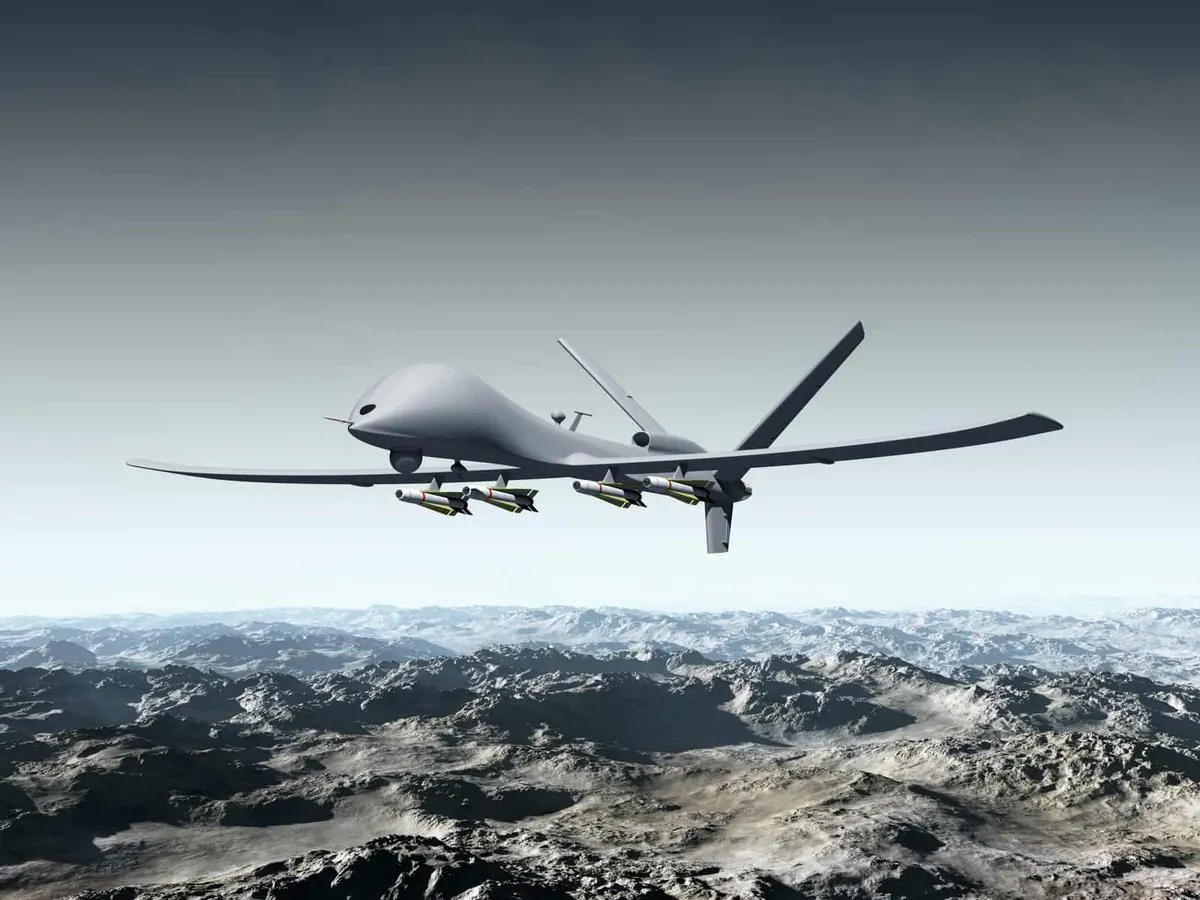
Nations have formally agreed to initiate United Nations talks specifically targeting the regulation of autonomous lethal weapons, aiming for a binding international framework by 2028.
This multilateral agreement signals a critical escalation in global governance efforts to manage the rapid advancement of Lethal Autonomous Weapons Systems (LAWS), which pose fundamental challenges to established principles of international humanitarian law (IHL).
The push for regulation addresses the increasing capability of AI to select and engage targets without direct human intervention, a threshold many nations deem too perilous without strict oversight. The 2028 deadline establishes a clear, if ambitious, timeline for policymakers to codify operational boundaries for these sophisticated military assets.
The Technical Scope of Autonomous Weaponry
The core contention within these diplomatic discussions centers on the concept of meaningful human control (MHC). Proponents of immediate regulation argue that delegating life-and-death decisions to algorithms introduces unacceptable levels of ambiguity regarding accountability when operational failures occur.
Technically, LAWS operate via complex integration of sensor fusion, machine learning models, and decision-making software. These systems move beyond pre-programmed responses; they utilize real-time data streams to identify targets, assess threat levels, and initiate kinetic action autonomously. This shift represents a paradigm change from remote-controlled weaponry to truly self-directing military hardware.
Commercial dynamics are equally intense, as major defense contractors worldwide are heavily investing in perfecting these systems. The race to deploy superior, AI-driven platforms creates a strong economic incentive to resist strict regulatory constraints, viewing limitations as potential competitive disadvantages against rivals like the United States and China.
Geopolitical Friction and Market Implications
The geopolitical implications of this UN engagement are profound, positioning the debate as a nexus of military strategy and technological sovereignty. Major military powers, including the U.S., Russia, and China, hold divergent views on the necessity and scope of regulation, often balancing ethical imperatives against strategic military advantage.
China has engaged in UN talks regularly, and generally supports the role of human oversight with regard to autnomous weapons and participated in this round of negotiations. However, it has generally prefers a more cautious approach than many other nations of the global south, and has even abstained from some decisions while repaining a participant in talks.
If a comprehensive treaty is successfully negotiated, it would mandate specific operational parameters for LAWS, potentially slowing the immediate fielding of highly autonomous systems across all military branches. Conversely, failure to establish consensus risks a regulatory vacuum, allowing an uncontrolled proliferation of powerful, non-human-directed killing machines.
The outcome of these talks will directly influence global defense spending and R&D priorities. Nations hesitant to commit to stringent controls may accelerate the development of "black box" autonomous systems, making future verification and compliance auditing exponentially more difficult. Further details on the ongoing diplomatic efforts can be tracked via Nikkei Asia's coverage.