🎙 Listen to a summary of this story
Unitree is aggressively escalating its drive toward achieving significant artificial intelligence breakthroughs, signaling a critical pivot from advanced robotics hardware to sophisticated cognitive capabilities.
The company's intensified focus aims to propel their robotic platforms beyond mere mechanical dexterity into autonomous decision-making spheres previously dominated by larger tech conglomerates. This strategic push underscores the accelerating convergence between embodied AI and practical industrial application in China’s burgeoning smart manufacturing sector.
Unitree is positioning itself not just as a hardware provider, but as an integrated AI solutions architect, recognizing that future market dominance hinges on robots capable of learning complex tasks dynamically rather than simply executing pre-programmed sequences. This aggressive timeline places them directly into competition with established giants in the global automation landscape.
Technical Trajectory and Hardware Evolution
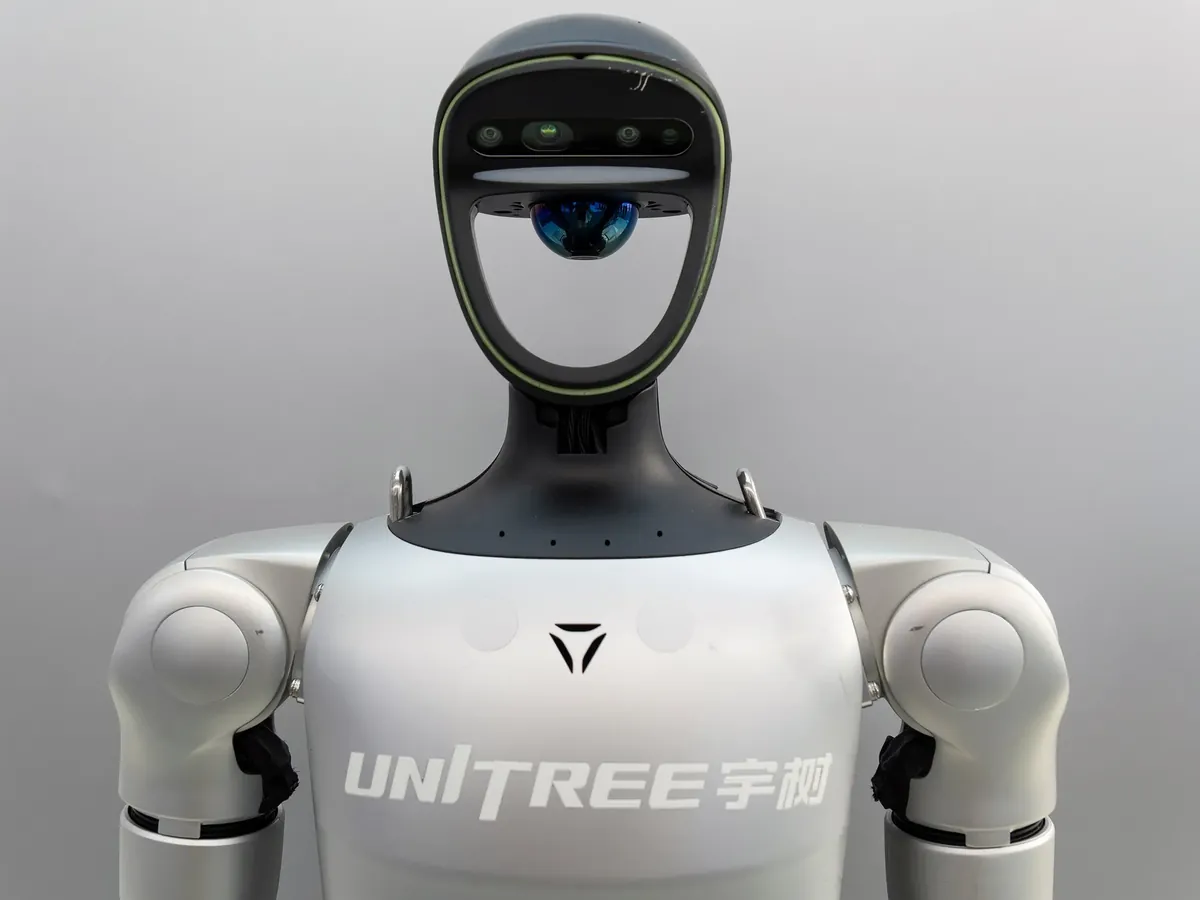
Central to Unitree's current trajectory is the integration of advanced sensor fusion systems coupled with proprietary machine learning algorithms running on optimized edge computing hardware. Their latest robotic models are reportedly being refined to handle unstructured environments with unprecedented reliability, moving beyond controlled factory floors.
The technical specifications emphasize real-time perception processing; sophisticated LiDAR and high-definition vision systems feed data directly into onboard AI processors designed for low latency inference. This architecture allows the robots to navigate cluttered spaces, identify anomalies, and adapt gait patterns instantly—a significant leap from reactive control loops.
Furthermore, the software stack is undergoing rapid iteration, incorporating reinforcement learning models that allow the units to self-correct operational parameters based on environmental feedback over extended deployment periods. This shift toward continuous online learning represents a fundamental difference in system design philosophy compared to traditional industrial automation.
Market Implications and Strategic Positioning
This commitment to AI capability has profound implications for China's broader technological ambitions, aligning perfectly with national strategies emphasizing indigenous innovation and high-end manufacturing self-sufficiency. Unitree’s success directly feeds into the narrative of domestic technological ascendancy.
From a market perspective, this aggressive evolution allows Unitree to target higher-value industrial use cases—such as complex logistics in dynamic warehouses or infrastructure inspection in hazardous zones—where current automated systems often falter due to unpredictable variables. The commercial viability of these advanced features is the next hurdle for mass adoption.
Geopolitically, Unitree's progress signals an increasing maturation of Chinese robotics capabilities into the realm of true general-purpose AI embodied agents. Success in this domain could significantly alter competitive dynamics in global supply chains, challenging Western technological monopolies in critical automation infrastructure.