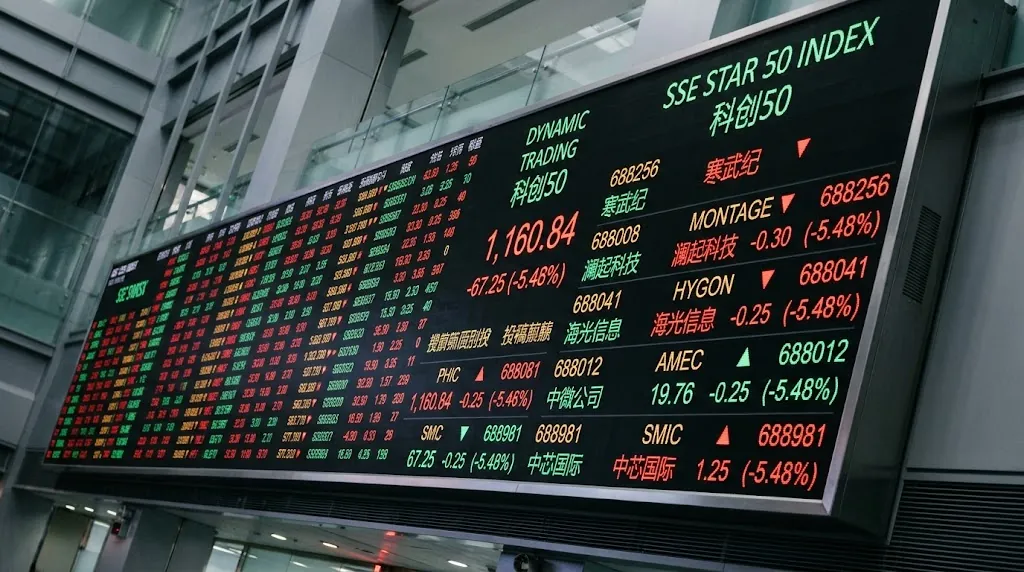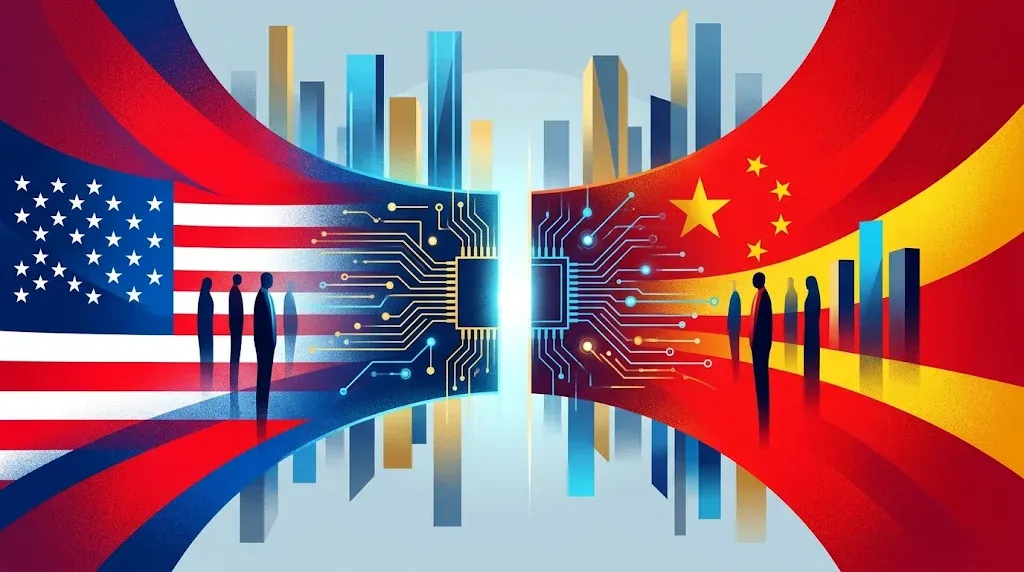
The United States temporarily shelved a contentious technology blacklist rule just before crucial trade discussions in Shenzhen, signaling a strategic diplomatic concession to ease escalating tensions with Beijing.
This decision represents a calculated pause in Washington's aggressive decoupling strategy, designed to stabilize the bilateral economic relationship ahead of high-stakes negotiations. The move directly addresses prior concerns voiced by Beijing regarding the perceived overreach and economic damage caused by previous restrictive measures targeting Chinese tech firms.
Analysts view the postponement not as a resolution, but as a tactical maneuver to secure a temporary opening. By delaying the enforcement of the specific blacklist provisions, the U.S. government aims to create the necessary political breathing room to negotiate a broader, more comprehensive trade framework without immediately triggering a severe retaliatory response from Chinese state-backed entities.
Commercial Dynamics and Policy Mechanics
The specific rule being held involves restrictions on the export of advanced semiconductor components and related manufacturing equipment to certain Chinese entities. These technologies are central to China's drive toward self-sufficiency in high-end computing and artificial intelligence infrastructure. The initial intent of the rule was to slow China’s technological advancement in strategic sectors, aligning with broader U.S. national security imperatives.
Commercial dynamics in this space are characterized by fierce competition and mutual dependence. While American firms possess critical intellectual property and advanced fabrication capabilities, Chinese companies have become increasingly proficient at reverse-engineering and localizing supply chains. The blacklist rule directly targets this maturation, forcing multinational corporations operating in China to navigate a complex matrix of compliance risk and market access viability.
The underlying commercial friction stems from differing views on market structure. Washington views the targeted restrictions as necessary countermeasures against state subsidies and intellectual property theft, while Beijing consistently frames these actions as protectionist barriers designed to stifle its domestic innovation ecosystem, particularly within the burgeoning AI and 5G sectors.
Broader Geopolitical and Market Implications
This temporary détente underscores the precarious nature of the U.S.-China relationship, which is now operating within a framework of managed competition rather than open collaboration. The decision to hold the rule signifies that short-term economic stability is currently being prioritized over long-term strategic decoupling objectives, at least in the immediate negotiation window.
From a market perspective, this pause provides a crucial signal of potential policy predictability, which is highly valued by international investors who have been wary of regulatory volatility. However, experts caution that this concession is tactical, not structural; the underlying geopolitical competition over technological supremacy remains fundamentally unresolved.
Ultimately, the Shenzhen talks are less about reversing U.S. policy and more about defining the parameters of acceptable engagement. Success in these talks will hinge on whether the U.S. can secure concessions on market access or IP protection in exchange for the temporary forbearance on its most punitive technology controls, setting a critical precedent for future trade engagements.