
🎙 Listen to a summary of this story
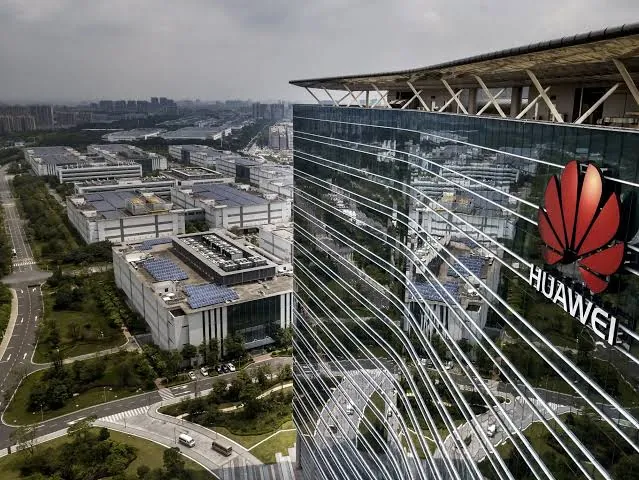
A notable shift in global technology investment is drawing American venture capital and specialized talent away from traditional Silicon Valley centers and toward China's sprawling tech hubs, particularly Shenzhen. Reports indicate that several startups originally rooted in U.S. markets are establishing operational bases within mainland Chinese cities, driven largely by the necessity of integrating with advanced domestic artificial intelligence infrastructure.
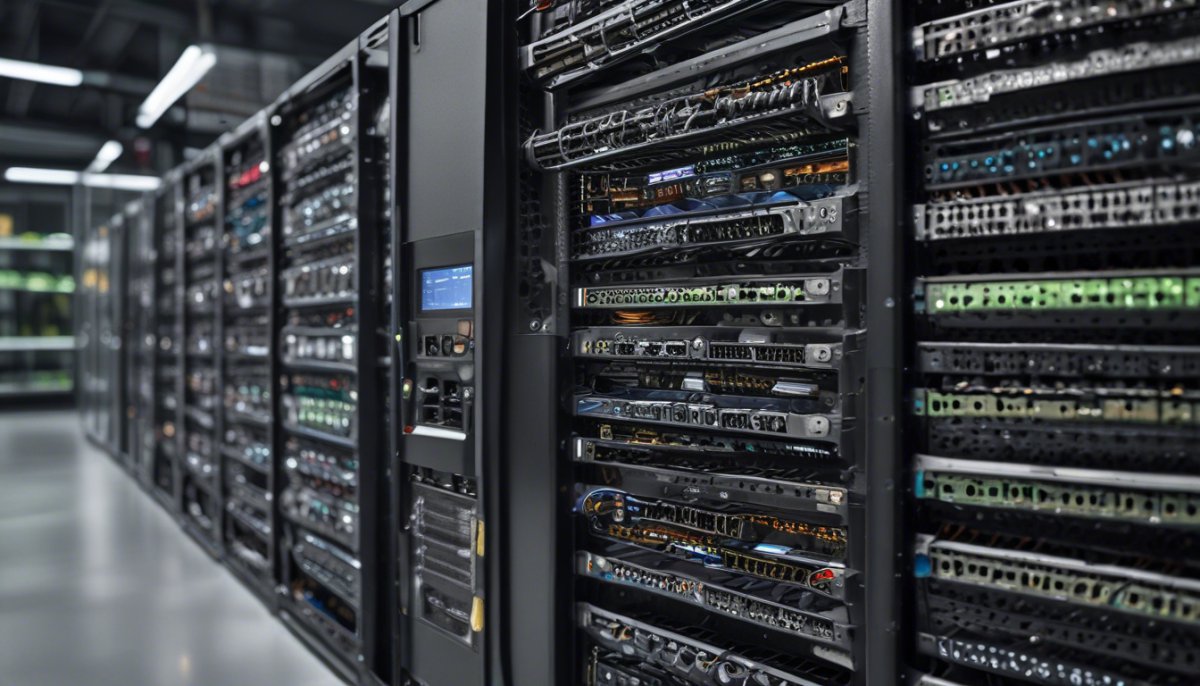
This migration signals more than just a temporary relocation of physical offices; it represents a strategic pivot toward accessing unique data streams and deep local supply chains that power next-generation AI applications. The attraction for these Western companies is the rapid pace of technological iteration available in China, coupled with access to massive user bases and state-of-the-art computing resources that are difficult to match elsewhere.
Industry analysts suggest this movement highlights a complex interplay between economic opportunity and geopolitical friction, forcing foreign tech firms to localize their operations if they wish to maintain market relevance within the world's second-largest economy. The focus remains intensely on AI applications—from autonomous vehicles to large language model development—making these Chinese hubs critical laboratories for global innovation.
The Infrastructure of Localization
These American and international startups are not simply setting up call centers; they are embedding themselves into China's sophisticated manufacturing and digital ecosystem. The technical specifications required often involve deep integration with domestic hardware providers, such as those supplying advanced semiconductor packaging or specialized edge computing units.
For example, companies focusing on computer vision for industrial applications must interface directly with Chinese-made robotics and smart city infrastructure. This level of seamless hardware-software co-development is facilitated by local partnerships that offer access to proprietary data sets—data derived from massive internal consumer and governmental networks—which are essential training grounds for sophisticated AI models.
Furthermore, the commercial dynamics involve navigating a rapidly evolving regulatory landscape while benefiting from subsidized industrial parks. These zones provide concentrated resources, allowing startups to quickly prototype Minimum Viable Products (MVPs) using domestic cloud computing services, significantly lowering initial operational barriers compared to establishing similar ventures in Western markets today.
Geopolitical and Market Implications
This trend underscores the growing divergence between Western tech development models and China's state-directed, vertically integrated approach to technological advancement. For U.S.-based companies, positioning themselves in Shenzhen allows them to bypass certain international trade restrictions while tapping into a robust local market that remains insulated from some global supply chain disruptions.
From a geopolitical standpoint, the influx of Western capital and talent deepens China's self-reliance in critical technologies. It signals confidence from foreign investors despite heightened tensions with Washington, indicating that economic necessity is overriding political caution for many private sector entities.
Ultimately, this migration sets a powerful precedent: future global tech development will increasingly be decentralized and regionally specialized. Companies must now weigh the established legal protections of Western markets against the unparalleled speed-to-market and resource access offered by China's AI-powered industrial corridors, fundamentally reshaping where the next wave of technological disruption will originate and how it will be governed.