🎙 Listen to a summary of this story
Vivo has raised the price of its flagship X300 Ultra in China, signaling a broader trend of increased premium pricing across its high-end smartphone lineup.
The adjustments affect the top-tier X300 Ultra model, placing it at a higher entry point for consumers seeking the latest in Vivo's mobile technology. Furthermore, reports indicate that the forthcoming X500 series may also face upward price revisions, suggesting a strategic pivot toward higher margin offerings in the Chinese market.
This pricing strategy appears calculated to reinforce the perception of exclusivity and technological superiority associated with the Vivo brand, particularly within the intensely competitive Chinese smartphone ecosystem. The specific details of the X300 Ultra's new pricing structure were confirmed by local retail channels, marking a tangible shift in its market positioning.
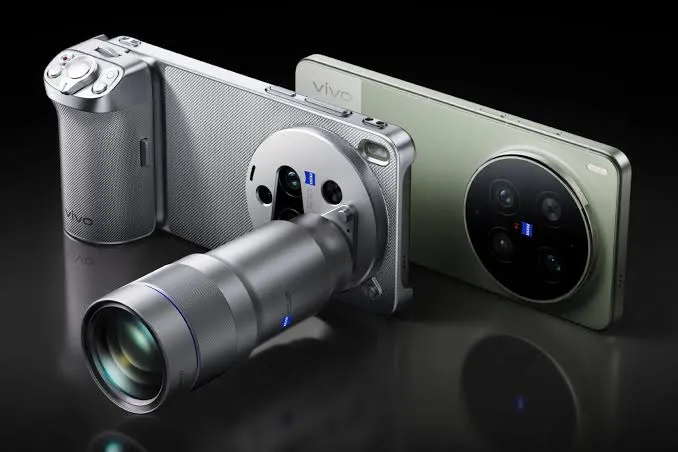
The X300 Ultra, known for its advanced camera system and premium build quality, remains a key offering in Vivo's flagship portfolio. Any price escalation directly impacts consumer willingness to adopt, forcing buyers to weigh enhanced features against the increased financial commitment.
Implications for Vivo’s Premium Segment
The decision to inflate the price of the X300 Ultra is not an isolated incident; it reflects broader industry dynamics where component costs, R&D investment, and market positioning converge to drive up hardware costs. Vivo is reportedly leveraging this pricing power to solidify its standing against established market leaders.
Analysts suggest that the increases signal Vivo's commitment to maintaining technological parity, or even superiority, in areas such as computational photography and display technology. Higher prices are often directly correlated with the integration of more advanced, and thus more expensive, sensors and processing units.
Regarding the X500 series, the potential price hikes are currently speculative but align with historical patterns seen when Vivo transitions between generational models. If the X500 series follows suit, it would indicate that the company is preemptively establishing a higher price floor for its next generation of premium devices.
The market reaction to these increases will be critical. While brand loyalty provides a buffer, excessive price sensitivity in China could lead to slower adoption rates or increased scrutiny from competitors offering functionally similar devices at lower price points. Consumers are expected to closely monitor the final pricing announcements for the X500 line.
Competitive Landscape and Market Strategy
In the highly saturated Chinese smartphone market, price elasticity remains a major factor. Vivo must balance the need to maximize revenue from its premium segment with the requirement to maintain sales volume. The reported price increases suggest a calculated risk assessment favoring margin expansion over sheer unit volume at this specific tier.
Competitors, including Huawei, Oppo, and Xiaomi, are keenly watching Vivo's maneuvers. Successful implementation of these higher price points would allow Vivo to command a higher Average Selling Price (ASP) within its flagship category, directly improving overall profitability.
The X300 Ultra's positioning is crucial; it serves as a halo product that validates the entire Vivo premium line. By elevating its price, Vivo reinforces the perceived value of the entire ecosystem, potentially encouraging upgrades to older, less expensive Vivo models. The long-term success of this pricing strategy hinges on whether the incremental hardware and software improvements justify the increased cost for the discerning Chinese consumer.